
Studies in Science of Science ›› 2026, Vol. 44 ›› Issue (10): 2156-2169.
• Innovation Explorations • Previous Articles Next Articles
HAN Peng1, LI Nan1, ZHU Hong-ming2, TANG Yan-zhao1( )
)
Received:2025-08-04
Revised:2025-12-10
Online:2026-10-15
Published:2026-10-10
韩鹏1, 李楠1, 朱虹明2, 唐炎钊1()
通讯作者:
唐炎钊(1968-),男,教授、博士生导师,E-mail:作者简介:韩鹏(2000-),男,博士研究生。基金资助:CLC Number:
HAN Peng, LI Nan, ZHU Hong-ming, TANG Yan-zhao. Entrepreneurial underdog status: Definition, scale development, and validation[J]. Studies in Science of Science, 2026, 44(10): 2156-2169.
韩鹏, 李楠, 朱虹明, 唐炎钊. 创业弱势状态的内涵、量表开发与检验[J]. 科学学研究, 2026, 44(10): 2156-2169.
Add to citation manager EndNote|Ris|BibTeX
URL: https://kxxyj.magtechjournal.com/kxxyj/EN/
https://kxxyj.magtechjournal.com/kxxyj/EN/Y2026/V44/I10/2156
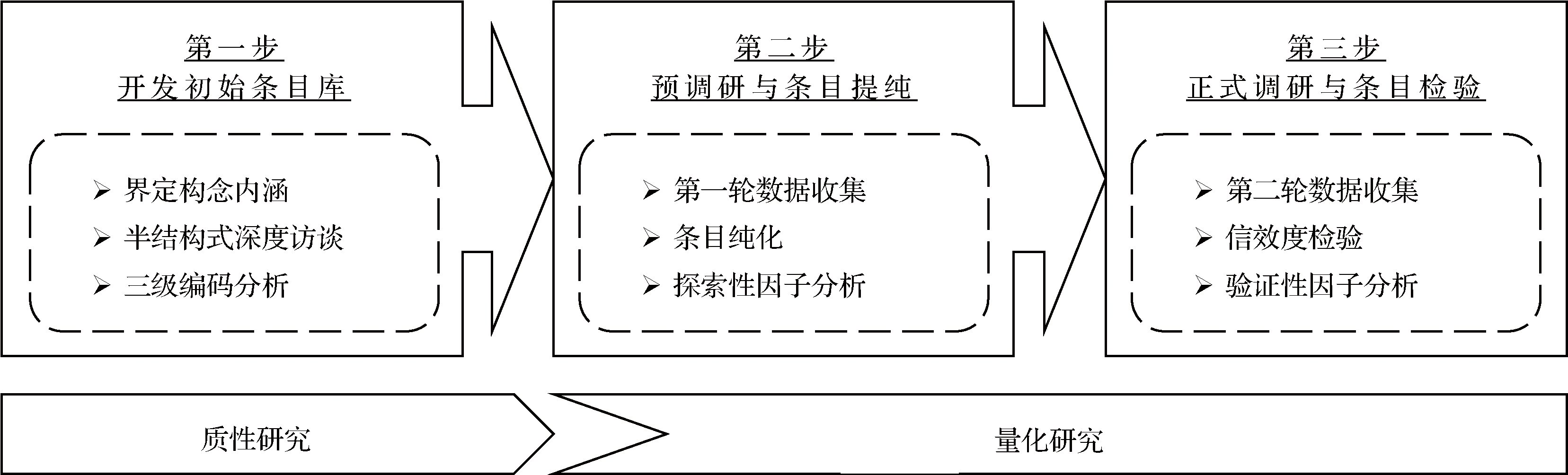
Figure 1 Scale development procedure
| 原始语句例证 | 概念化 |
|---|---|
| 真的是零资金,刚创业时兜里没有超过500块钱 | a1启动资金匮乏 |
| 最大的问题还是资金,你很难确保公司现金流的稳定 | a2现金流不稳定 |
| 12月31号那天,我真的是把身边能借的钱全都借了,所有的电话都打了,但是依旧没办法解决资金问题,员工工资实在发不出去,真的感觉天都快塌下来了 | a3员工工资支付困难 |
| 现在最大的困难还是资金问题,即使成功申请了微小企业的贷款融资,对于我们一个一个项目的运作而言,说句心里话也不太够 | a4融资贷款不足 |
| 有段时间营收情况非常不好,根本覆盖不了现有成本,导致公司财务业绩很差 | a5营收成本不匹配 |
| 其实我们那个时候很大一部分收入来源是靠比赛奖金,才能养活团队的 | a6依赖非传统收入 |
| 我创业的时候资金是不足的,可能才一点点钱,一两万块钱,完全是杯水车薪 | a7资金短缺 |
| 小企业比较难的一个点是,你真的招不到更好的人。即使你愿意多花钱要招专业更好的人,人家也不愿意来 | a8人才招聘难 |
| 留不住真正的人才,他们会被更大的公司或更有前景的创业项目吸引走 | a9人才不易留存 |
| 现在的人力资源也很麻烦,现在00后一来就跟你说要上几个小时班,有没有什么加班,稍微一点点超时都不行,他也不会和你沟通,反手就把企业告了 | a10新生代员工差异 |
| 我们规模小,每个人都得身兼数职,时间长了,大家都累得不行 | a11工作角色重叠 |
| 招人真的太难了,你知道的,有特定技能和经验的人才就不多,而且大家都在抢,大部分时候想招到符合要求的人,要花很大工夫 | a12专业人才稀缺 |
Table 1 Examples of open coding
| 原始语句例证 | 概念化 |
|---|---|
| 真的是零资金,刚创业时兜里没有超过500块钱 | a1启动资金匮乏 |
| 最大的问题还是资金,你很难确保公司现金流的稳定 | a2现金流不稳定 |
| 12月31号那天,我真的是把身边能借的钱全都借了,所有的电话都打了,但是依旧没办法解决资金问题,员工工资实在发不出去,真的感觉天都快塌下来了 | a3员工工资支付困难 |
| 现在最大的困难还是资金问题,即使成功申请了微小企业的贷款融资,对于我们一个一个项目的运作而言,说句心里话也不太够 | a4融资贷款不足 |
| 有段时间营收情况非常不好,根本覆盖不了现有成本,导致公司财务业绩很差 | a5营收成本不匹配 |
| 其实我们那个时候很大一部分收入来源是靠比赛奖金,才能养活团队的 | a6依赖非传统收入 |
| 我创业的时候资金是不足的,可能才一点点钱,一两万块钱,完全是杯水车薪 | a7资金短缺 |
| 小企业比较难的一个点是,你真的招不到更好的人。即使你愿意多花钱要招专业更好的人,人家也不愿意来 | a8人才招聘难 |
| 留不住真正的人才,他们会被更大的公司或更有前景的创业项目吸引走 | a9人才不易留存 |
| 现在的人力资源也很麻烦,现在00后一来就跟你说要上几个小时班,有没有什么加班,稍微一点点超时都不行,他也不会和你沟通,反手就把企业告了 | a10新生代员工差异 |
| 我们规模小,每个人都得身兼数职,时间长了,大家都累得不行 | a11工作角色重叠 |
| 招人真的太难了,你知道的,有特定技能和经验的人才就不多,而且大家都在抢,大部分时候想招到符合要求的人,要花很大工夫 | a12专业人才稀缺 |
| 核心范畴 | 子范畴 | 对初始概念的筛选与分类示例 |
|---|---|---|
| 资源禀赋 的挑战 | 财务资金匮乏 | a1启动资金匮乏; a2现金流不稳定; a3员工工资支付困难…… |
| 人力资源欠缺 | a8人才招聘难; a9人才不易留存…… | |
| 内部社会支持不足 | a18伴侣怀疑; a19家人不理解; a20团队成员冲突…… | |
| 外部社会网络薄弱 | a24缺乏人脉关系; a25供应链关系建立困难…… | |
| 生理条件 的挑战 | 人口特征劣势 | b1女性应酬不便; b3上了年纪对市场趋势不敏感…… |
| 身体缺陷 | b2出行物理障碍; b6工作连续性差; b7残疾限制了工作效率…… | |
| 情感障碍 | b13创业压力和愧疚感; b14创业焦虑; b17对不确定性的担忧…… | |
| 认知状况 的挑战 | 思维局限 | c1按部就班的决策思路; c2信念系统出错…… |
| 经验知识不足 | c5专业知识不对口; c14管理经验不足; c15公关经验不足…… | |
| 技能欠缺 | c12语言能力差; c13管理能力差; c30成本控制技能不足…… | |
| 受教育水平低 | c24教育中断; c28教育机会不足…… | |
| 外部环境 的挑战 | 物理限制 | d1地理条件恶劣; d2自然灾害爆发; d5交通不便利…… |
| 制度壁垒 | d11税务政策限制; d13获得政府许可不易; d18政策变动快…… | |
| 社会文化污名 | d19性别偏见; d21年龄偏见; d22地域歧视…… | |
| 市场形势恶化 | d27国际贸易争端; d31市场需求不确定; d32市场竞争激烈…… |
Table 2 Examples of axial coding
| 核心范畴 | 子范畴 | 对初始概念的筛选与分类示例 |
|---|---|---|
| 资源禀赋 的挑战 | 财务资金匮乏 | a1启动资金匮乏; a2现金流不稳定; a3员工工资支付困难…… |
| 人力资源欠缺 | a8人才招聘难; a9人才不易留存…… | |
| 内部社会支持不足 | a18伴侣怀疑; a19家人不理解; a20团队成员冲突…… | |
| 外部社会网络薄弱 | a24缺乏人脉关系; a25供应链关系建立困难…… | |
| 生理条件 的挑战 | 人口特征劣势 | b1女性应酬不便; b3上了年纪对市场趋势不敏感…… |
| 身体缺陷 | b2出行物理障碍; b6工作连续性差; b7残疾限制了工作效率…… | |
| 情感障碍 | b13创业压力和愧疚感; b14创业焦虑; b17对不确定性的担忧…… | |
| 认知状况 的挑战 | 思维局限 | c1按部就班的决策思路; c2信念系统出错…… |
| 经验知识不足 | c5专业知识不对口; c14管理经验不足; c15公关经验不足…… | |
| 技能欠缺 | c12语言能力差; c13管理能力差; c30成本控制技能不足…… | |
| 受教育水平低 | c24教育中断; c28教育机会不足…… | |
| 外部环境 的挑战 | 物理限制 | d1地理条件恶劣; d2自然灾害爆发; d5交通不便利…… |
| 制度壁垒 | d11税务政策限制; d13获得政府许可不易; d18政策变动快…… | |
| 社会文化污名 | d19性别偏见; d21年龄偏见; d22地域歧视…… | |
| 市场形势恶化 | d27国际贸易争端; d31市场需求不确定; d32市场竞争激烈…… |
| 理论编码 | 相关文献比较与验证 | |
|---|---|---|
| 核心范畴 | 子范畴 | |
| 资源禀赋 的挑战 | 财务资金匮乏 | Mechanic和Tanner(2007); Williams和Gurtoo(2012); Miller和Le Breton-Miller(2017); Phillips和Ranganathan(2025) |
| 人力资源欠缺 | Nyström(2021) | |
| 内部社会支持不足 | Mechanic和Tanner(2007) | |
| 外部社会网络薄弱 | Mechanic和Tanner(2007); Morgan(2020) | |
| 生理条件 的挑战 | 人口特征劣势 | Phillips和Ranganathan(2025) |
| 身体缺陷 | Mechanic和Tanner(2007); Miller和Le Breton-Miller(2017) | |
| 情感障碍 | Miller和Le Breton-Miller(2017); Bhardwaj等(2023) | |
| 疾病* | Mechanic和Tanner(2007); Miller和Le Breton-Miller(2017); Bhardwaj等(2023) | |
| 认知状况 的挑战 | 思维局限 | 情境特色 |
| 经验知识不足 | Morgan(2020); Nyström(2021) | |
| 技能欠缺 | Miller和Le Breton-Miller(2017); Morgan(2020) | |
| 受教育水平低 | Miller和Le Breton-Miller(2017); Phillips和Ranganathan(2025) | |
| 外部环境 的挑战 | 物理限制 | Mechanic和Tanner(2007); Phillips和Ranganathan(2025) |
| 制度壁垒 | Webb等(2009); Williams和Gurtoo(2012); Baron等(2018) | |
| 社会文化污名 | Webb等(2009); Miller和Le Breton-Miller(2017); Morgan(2020) | |
| 市场形势恶化 | Baron等(2018) | |
Table 3 Comparison and validation of concepts and categories
| 理论编码 | 相关文献比较与验证 | |
|---|---|---|
| 核心范畴 | 子范畴 | |
| 资源禀赋 的挑战 | 财务资金匮乏 | Mechanic和Tanner(2007); Williams和Gurtoo(2012); Miller和Le Breton-Miller(2017); Phillips和Ranganathan(2025) |
| 人力资源欠缺 | Nyström(2021) | |
| 内部社会支持不足 | Mechanic和Tanner(2007) | |
| 外部社会网络薄弱 | Mechanic和Tanner(2007); Morgan(2020) | |
| 生理条件 的挑战 | 人口特征劣势 | Phillips和Ranganathan(2025) |
| 身体缺陷 | Mechanic和Tanner(2007); Miller和Le Breton-Miller(2017) | |
| 情感障碍 | Miller和Le Breton-Miller(2017); Bhardwaj等(2023) | |
| 疾病* | Mechanic和Tanner(2007); Miller和Le Breton-Miller(2017); Bhardwaj等(2023) | |
| 认知状况 的挑战 | 思维局限 | 情境特色 |
| 经验知识不足 | Morgan(2020); Nyström(2021) | |
| 技能欠缺 | Miller和Le Breton-Miller(2017); Morgan(2020) | |
| 受教育水平低 | Miller和Le Breton-Miller(2017); Phillips和Ranganathan(2025) | |
| 外部环境 的挑战 | 物理限制 | Mechanic和Tanner(2007); Phillips和Ranganathan(2025) |
| 制度壁垒 | Webb等(2009); Williams和Gurtoo(2012); Baron等(2018) | |
| 社会文化污名 | Webb等(2009); Miller和Le Breton-Miller(2017); Morgan(2020) | |
| 市场形势恶化 | Baron等(2018) | |
| 核心范畴 | 编号 | 问卷条目 |
|---|---|---|
| 资源禀赋的挑战 | A1 | 我经常在财务资金方面遇到困难 |
| A2 | 我难以招募到合适的员工 | |
| A3 | 我难以留住有才能的员工 | |
| A4 | 我感受到来自伴侣或家人的关心和理解少 | |
| A5 | 我感受到来自团队成员的支持少 | |
| A6 | 我感觉自己是游离于主流社会关系之外的“局外人” | |
| A7 | 我的外部社会关系网络规模小 | |
| A8 | 我与外部关系方(如政府、供应商、客户和媒体公众)的交流和联系有限 | |
| 生理条件的挑战 | B9 | 我的身体缺陷限制了我在创业过程中的表现 |
| B10 | 我的情感状况经常会对我的创业活动产生负面影响 | |
| B11 | 我的某些疾病使我在维持或发展创业活动时感到威胁 | |
| B12 | 我的健康问题需要我投入额外时间和精力来进行自我管理,从而分散了我对创业工作的专注 | |
| 认知状况的挑战 | C13 | 在创业过程中,我面临着思维模式受限的影响 |
| C14 | 在创业过程中,我面临着经验或知识不足的挑战 | |
| C15 | 在创业过程中,我面临着技能不足的困境 | |
| C16 | 在创业过程中,我面临着受教育水平低的影响 | |
| 外部环境的挑战 | D17 | 恶劣的物理环境(如偏远地理位置、不便交通设施和气候灾害)对我的创业活动构成障碍 |
| D18 | 当地政策环境未能为我创业活动提供足够的支持和激励 | |
| D19 | 复杂的行政程序增加了我理解和应对相关法律法规的难度 | |
| D20 | 文化背景差异限制了我对创业机会的识别与开发 | |
| D21 | 身份差异使我频繁遭受偏见、歧视或不公正对待 | |
| D22 | 市场经济形势的恶化对我的创业活动产生了负面影响 |
Table 4 Initial items for measuring entrepreneurial underdog status
| 核心范畴 | 编号 | 问卷条目 |
|---|---|---|
| 资源禀赋的挑战 | A1 | 我经常在财务资金方面遇到困难 |
| A2 | 我难以招募到合适的员工 | |
| A3 | 我难以留住有才能的员工 | |
| A4 | 我感受到来自伴侣或家人的关心和理解少 | |
| A5 | 我感受到来自团队成员的支持少 | |
| A6 | 我感觉自己是游离于主流社会关系之外的“局外人” | |
| A7 | 我的外部社会关系网络规模小 | |
| A8 | 我与外部关系方(如政府、供应商、客户和媒体公众)的交流和联系有限 | |
| 生理条件的挑战 | B9 | 我的身体缺陷限制了我在创业过程中的表现 |
| B10 | 我的情感状况经常会对我的创业活动产生负面影响 | |
| B11 | 我的某些疾病使我在维持或发展创业活动时感到威胁 | |
| B12 | 我的健康问题需要我投入额外时间和精力来进行自我管理,从而分散了我对创业工作的专注 | |
| 认知状况的挑战 | C13 | 在创业过程中,我面临着思维模式受限的影响 |
| C14 | 在创业过程中,我面临着经验或知识不足的挑战 | |
| C15 | 在创业过程中,我面临着技能不足的困境 | |
| C16 | 在创业过程中,我面临着受教育水平低的影响 | |
| 外部环境的挑战 | D17 | 恶劣的物理环境(如偏远地理位置、不便交通设施和气候灾害)对我的创业活动构成障碍 |
| D18 | 当地政策环境未能为我创业活动提供足够的支持和激励 | |
| D19 | 复杂的行政程序增加了我理解和应对相关法律法规的难度 | |
| D20 | 文化背景差异限制了我对创业机会的识别与开发 | |
| D21 | 身份差异使我频繁遭受偏见、歧视或不公正对待 | |
| D22 | 市场经济形势的恶化对我的创业活动产生了负面影响 |
| 核心范畴 | 具体条目 | 公因子 | |||
|---|---|---|---|---|---|
| 1 | 2 | 3 | 4 | ||
| 资源禀赋的挑战 | A1 | -0.016 | 0.665 | 0.058 | 0.209 |
| A3 | 0.212 | 0.691 | 0.064 | 0.198 | |
| A4 | 0.161 | 0.730 | 0.077 | -0.043 | |
| A5 | 0.220 | 0.791 | 0.088 | 0.061 | |
| A6 | 0.116 | 0.720 | 0.164 | 0.099 | |
| 生理条件的挑战 | B9 | 0.149 | 0.159 | 0.119 | 0.810 |
| B10 | 0.082 | 0.183 | 0.258 | 0.822 | |
| B11 | 0.101 | 0.077 | 0.205 | 0.812 | |
| 认知状况的挑战 | C13 | 0.778 | 0.151 | 0.085 | -0.021 |
| C14 | 0.776 | 0.219 | 0.070 | 0.129 | |
| C15 | 0.868 | 0.093 | 0.128 | 0.059 | |
| C16 | 0.803 | 0.164 | 0.083 | 0.219 | |
| 外部环境的挑战 | D17 | 0.233 | 0.049 | 0.644 | 0.100 |
| D18 | 0.136 | 0.105 | 0.854 | 0.018 | |
| D21 | 0.002 | 0.096 | 0.767 | 0.256 | |
| D22 | -0.016 | 0.169 | 0.634 | 0.290 | |
| 特征根 | 2.852 | 2.819 | 2.339 | 2.317 | |
| 方差解释率(%) | 17.824 | 17.618 | 14.622 | 14.483 | |
| 累计方差解释率(%) | 17.824 | 35.441 | 50.063 | 64.546 | |
Table 5 Results of exploratory factor analysis
| 核心范畴 | 具体条目 | 公因子 | |||
|---|---|---|---|---|---|
| 1 | 2 | 3 | 4 | ||
| 资源禀赋的挑战 | A1 | -0.016 | 0.665 | 0.058 | 0.209 |
| A3 | 0.212 | 0.691 | 0.064 | 0.198 | |
| A4 | 0.161 | 0.730 | 0.077 | -0.043 | |
| A5 | 0.220 | 0.791 | 0.088 | 0.061 | |
| A6 | 0.116 | 0.720 | 0.164 | 0.099 | |
| 生理条件的挑战 | B9 | 0.149 | 0.159 | 0.119 | 0.810 |
| B10 | 0.082 | 0.183 | 0.258 | 0.822 | |
| B11 | 0.101 | 0.077 | 0.205 | 0.812 | |
| 认知状况的挑战 | C13 | 0.778 | 0.151 | 0.085 | -0.021 |
| C14 | 0.776 | 0.219 | 0.070 | 0.129 | |
| C15 | 0.868 | 0.093 | 0.128 | 0.059 | |
| C16 | 0.803 | 0.164 | 0.083 | 0.219 | |
| 外部环境的挑战 | D17 | 0.233 | 0.049 | 0.644 | 0.100 |
| D18 | 0.136 | 0.105 | 0.854 | 0.018 | |
| D21 | 0.002 | 0.096 | 0.767 | 0.256 | |
| D22 | -0.016 | 0.169 | 0.634 | 0.290 | |
| 特征根 | 2.852 | 2.819 | 2.339 | 2.317 | |
| 方差解释率(%) | 17.824 | 17.618 | 14.622 | 14.483 | |
| 累计方差解释率(%) | 17.824 | 35.441 | 50.063 | 64.546 | |
| 创业者特征 | 样本量 | 百分比(%) | 企业特征 | 样本量 | 百分比(%) |
|---|---|---|---|---|---|
| 性别 | 行业类型 | ||||
| 男 | 290 | 68.235% | 制造业 | 85 | 20.000% |
| 女 | 135 | 31.765% | 服务业 | 95 | 22.353% |
| 年龄 | 农林牧渔业 | 56 | 13.176% | ||
| 30岁及以下 | 113 | 26.588% | 计算机软件和信息技术业 | 74 | 17.412% |
| 31-40岁 | 218 | 51.294% | 建筑和房地产业 | 61 | 14.353% |
| 41-50岁 | 66 | 15.529% | 其他行业 | 54 | 12.706% |
| 51岁及以上 | 28 | 6.588% | —— | ||
| 受教育程度 | 企业经营年限 | ||||
| 高中及以下 | 34 | 8.000% | 3年及以下 | 190 | 44.706% |
| 大专 | 109 | 25.647% | 3~5年 | 115 | 27.059% |
| 本科 | 194 | 45.647% | 6~10年 | 77 | 18.118% |
| 硕士及以上 | 88 | 20.706% | 10年及以上 | 43 | 10.118% |
| 先前创业经验 | 企业规模 | ||||
| 0次 | 181 | 42.588% | 10人及以下 | 227 | 53.412% |
| 1次 | 132 | 31.059% | 11~50人 | 113 | 26.588% |
| 2次 | 68 | 16.000% | 51~100人 | 61 | 14.353% |
| 3次及以上 | 44 | 10.353% | 101人及以上 | 24 | 5.647% |
Table 6 Sample characteristics
| 创业者特征 | 样本量 | 百分比(%) | 企业特征 | 样本量 | 百分比(%) |
|---|---|---|---|---|---|
| 性别 | 行业类型 | ||||
| 男 | 290 | 68.235% | 制造业 | 85 | 20.000% |
| 女 | 135 | 31.765% | 服务业 | 95 | 22.353% |
| 年龄 | 农林牧渔业 | 56 | 13.176% | ||
| 30岁及以下 | 113 | 26.588% | 计算机软件和信息技术业 | 74 | 17.412% |
| 31-40岁 | 218 | 51.294% | 建筑和房地产业 | 61 | 14.353% |
| 41-50岁 | 66 | 15.529% | 其他行业 | 54 | 12.706% |
| 51岁及以上 | 28 | 6.588% | —— | ||
| 受教育程度 | 企业经营年限 | ||||
| 高中及以下 | 34 | 8.000% | 3年及以下 | 190 | 44.706% |
| 大专 | 109 | 25.647% | 3~5年 | 115 | 27.059% |
| 本科 | 194 | 45.647% | 6~10年 | 77 | 18.118% |
| 硕士及以上 | 88 | 20.706% | 10年及以上 | 43 | 10.118% |
| 先前创业经验 | 企业规模 | ||||
| 0次 | 181 | 42.588% | 10人及以下 | 227 | 53.412% |
| 1次 | 132 | 31.059% | 11~50人 | 113 | 26.588% |
| 2次 | 68 | 16.000% | 51~100人 | 61 | 14.353% |
| 3次及以上 | 44 | 10.353% | 101人及以上 | 24 | 5.647% |
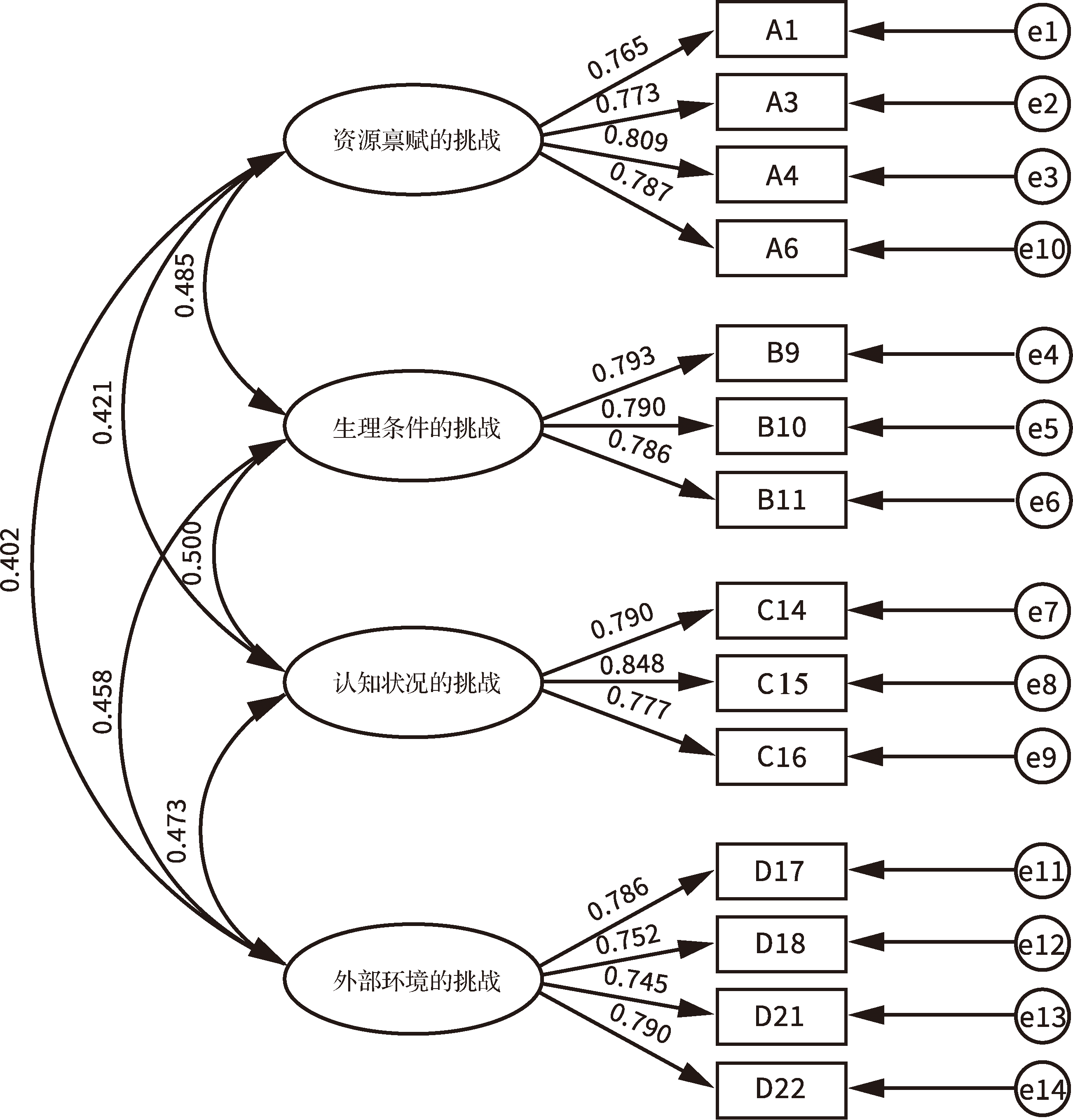
Figure 2 Results of confirmatory factor analysis
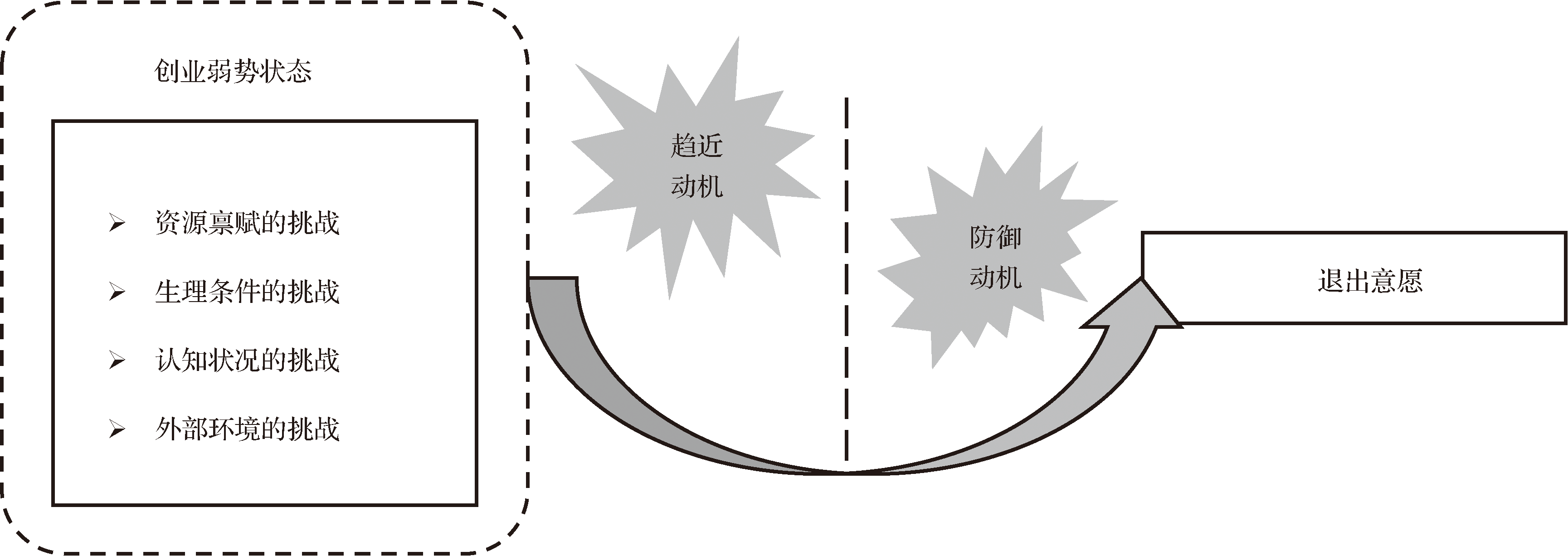
Figure 3 The impact of entrepreneurial underdog status on exit intention
| 变量 | 1 | 2 | 3 | 4 | 5 | 6 | 7 | 8 | 9 |
|---|---|---|---|---|---|---|---|---|---|
| 1性别 | -- | ||||||||
| 2年龄 | 0.018 | -- | |||||||
| 3受教育程度 | -0.078 | -0.140* | -- | ||||||
| 4先前创业经验 | 0.065 | 0.161** | 0.042 | -- | |||||
| 5企业经营年限 | -0.009 | -0.237*** | 0.094+ | -0.017 | -- | ||||
| 6企业规模 | -0.007 | 0.168** | -0.039 | -0.024 | 0.245*** | -- | |||
| 7创业失败恐惧 | 0.108+ | -0.006 | -0.088 | -0.149** | 0.098+ | 0.032 | (0.907) | ||
| 8创业弱势状态 | 0.009 | -0.014 | -0.007 | -0.096+ | 0.111* | -0.044 | 0.338*** | (0.934) | |
| 9创业退出意愿 | 0.037 | 0.071 | -0.160** | 0.003 | -0.083 | 0.021 | 0.246*** | 0.456*** | (0.794) |
| 均值 | 0.625 | 1.927 | 2.344 | 1.972 | 1.779 | 1.782 | 2.476 | 2.177 | 2.456 |
| 标准差 | 0.485 | 0.878 | 0.927 | 0.972 | 0.946 | 0.815 | 1.019 | 0.801 | 0.921 |
Table 7 Means, SDs, and correlations
| 变量 | 1 | 2 | 3 | 4 | 5 | 6 | 7 | 8 | 9 |
|---|---|---|---|---|---|---|---|---|---|
| 1性别 | -- | ||||||||
| 2年龄 | 0.018 | -- | |||||||
| 3受教育程度 | -0.078 | -0.140* | -- | ||||||
| 4先前创业经验 | 0.065 | 0.161** | 0.042 | -- | |||||
| 5企业经营年限 | -0.009 | -0.237*** | 0.094+ | -0.017 | -- | ||||
| 6企业规模 | -0.007 | 0.168** | -0.039 | -0.024 | 0.245*** | -- | |||
| 7创业失败恐惧 | 0.108+ | -0.006 | -0.088 | -0.149** | 0.098+ | 0.032 | (0.907) | ||
| 8创业弱势状态 | 0.009 | -0.014 | -0.007 | -0.096+ | 0.111* | -0.044 | 0.338*** | (0.934) | |
| 9创业退出意愿 | 0.037 | 0.071 | -0.160** | 0.003 | -0.083 | 0.021 | 0.246*** | 0.456*** | (0.794) |
| 均值 | 0.625 | 1.927 | 2.344 | 1.972 | 1.779 | 1.782 | 2.476 | 2.177 | 2.456 |
| 标准差 | 0.485 | 0.878 | 0.927 | 0.972 | 0.946 | 0.815 | 1.019 | 0.801 | 0.921 |
| 变量 | 模型1 | 模型2 | 模型3 | |
|---|---|---|---|---|
| 控制变量 | 性别 | -0.006(0.104) | 0.026(0.093) | 0.031(0.092) |
| 年龄 | 0.021(0.062) | 0.001(0.055) | -0.002(0.055) | |
| 受教育程度 | -0.126*(0.055) | -0.129**(0.049) | -0.119*(0.049) | |
| 先前创业经验 | 0.039(0.053) | 0.061(0.047) | 0.056(0.047) | |
| 企业经营年限 | -0.094(0.057) | -0.126*(0.051) | -0128*(0.051) | |
| 企业规模 | 0.033(0.065) | 0.067(0.058) | 0.077(0.059) | |
| 创业失败恐惧 | 0.226***(0.050) | 0.101*(0.047) | 0.099*(0.048) | |
| 直接效应 | 创业弱势状态 | -0.467(0.301) | ||
| 资源禀赋的挑战 | -0.566(0.348) | |||
| 生理条件的挑战 | 0.078(0.310) | |||
| 认知状况的挑战 | -0.461(0.304) | |||
| 外部环境的挑战 | 0.309(0.325) | |||
| 曲线效应 | 创业弱势状态平方项 | 0.185***(0.056) | ||
| 资源禀赋的挑战平方项 | 0.142*(0.068) | |||
| 生理条件的挑战平方项 | -0.004(0.061) | |||
| 认知状况的挑战平方项 | 0.107+(0.062) | |||
| 外部环境的挑战平方项 | -0.030(0.064) | |||
| 常数项 | 2.188***(0.282) | 2.500***(0.426) | 2.670***(0.427) | |
| R2 | 0.092 | 0.290 | 0.310 | |
| F | 4.456 | 13.913 | 9.035 | |
Table 8 Results of hierarchical regression analysis
| 变量 | 模型1 | 模型2 | 模型3 | |
|---|---|---|---|---|
| 控制变量 | 性别 | -0.006(0.104) | 0.026(0.093) | 0.031(0.092) |
| 年龄 | 0.021(0.062) | 0.001(0.055) | -0.002(0.055) | |
| 受教育程度 | -0.126*(0.055) | -0.129**(0.049) | -0.119*(0.049) | |
| 先前创业经验 | 0.039(0.053) | 0.061(0.047) | 0.056(0.047) | |
| 企业经营年限 | -0.094(0.057) | -0.126*(0.051) | -0128*(0.051) | |
| 企业规模 | 0.033(0.065) | 0.067(0.058) | 0.077(0.059) | |
| 创业失败恐惧 | 0.226***(0.050) | 0.101*(0.047) | 0.099*(0.048) | |
| 直接效应 | 创业弱势状态 | -0.467(0.301) | ||
| 资源禀赋的挑战 | -0.566(0.348) | |||
| 生理条件的挑战 | 0.078(0.310) | |||
| 认知状况的挑战 | -0.461(0.304) | |||
| 外部环境的挑战 | 0.309(0.325) | |||
| 曲线效应 | 创业弱势状态平方项 | 0.185***(0.056) | ||
| 资源禀赋的挑战平方项 | 0.142*(0.068) | |||
| 生理条件的挑战平方项 | -0.004(0.061) | |||
| 认知状况的挑战平方项 | 0.107+(0.062) | |||
| 外部环境的挑战平方项 | -0.030(0.064) | |||
| 常数项 | 2.188***(0.282) | 2.500***(0.426) | 2.670***(0.427) | |
| R2 | 0.092 | 0.290 | 0.310 | |
| F | 4.456 | 13.913 | 9.035 | |
| [1] |
Baron R A, Tang J, Tang Z, et al. Bribes as entrepreneurial actions: Why underdog entrepreneurs feel compelled to use them[J]. Journal of Business Venturing, 2018, 33(6): 679-690.
DOI URL |
| [2] |
Bakker R M, Mcmullen J S. Inclusive entrepreneurship: A call for a shared theoretical conversation about unconventional entrepreneurs[J]. Journal of Business Venturing, 2023, 38(1): 106268.
DOI URL |
| [3] |
Dodd S, Anderson A, Jack S. “Let them not make me a stone”-Repositioning entrepreneurship[J]. Journal of Small Business Management, 2023, 61(4): 1842-1870.
DOI URL |
| [4] |
Miller D, Le Breton-Miller I. Underdog entrepreneurs: A model of challenge-based entrepreneurship[J]. Entrepreneurship Theory and Practice, 2017, 41(1): 7-17.
DOI URL |
| [5] | 朱虹明, 唐炎钊. 弱势创业内涵特征、研究议题与展望[J]. 外国经济与管理, 2022, 44(5): 79-97. |
| Zhu H M, Tang Y Z. Underdog entrepreneurship: Nature, research themes, and future prospects[J]. Foreign Economics & Management, 2022, 44(5): 79-97. | |
| [6] |
Mühlböck M, Warmuth J R, Holienka M, et al. Desperate entrepreneurs: No opportunities, no skills[J]. International Entrepreneurship and Management Journal, 2018, 14(4): 975-997.
DOI |
| [7] | 朱虹明, 陈国福, Chin Ho Kalson Hoi, 等. 为了生存还是为了生活?弱势创业者的行业选择[J]. 南方经济, 2023, 41(8): 134-152. |
| Zhu H M, Chen G F, Chin H K H, et al. For survival or for life? Research on the industry selection of underdog entrepreneurs[J]. South China Journal of Economics, 2023, 41(8): 134-152. | |
| [8] | Morgan H M. Underdog Entrepreneurs: A Framework of Success for Marginalized and Minority Innovators[M]. London: Palgrave Macmillan, 2020. |
| [9] | 朱虹明, 肖雄辉, 唐炎钊. “一高三低”困境下弱势创业者的反脆弱机制--一项案例研究[J]. 南开管理评论, 2025, 28(4): 50-59, 73. |
| Zhu H M, Xiao X H, Tang Y Z. How can underdog entrepreneurs achieve antifragility? A case study based on the opportunity-resource-capability perspective[J]. Nankai Business Review, 2025, 28(4): 50-59, 73. | |
| [10] |
Ge J, Li J M, Zhao E Y, et al. Rags to riches? Entrepreneurs’ social classes, resourceful time allocation, and venture performance[J]. Journal of Business Venturing, 2022, 37(5): 106248.
DOI URL |
| [11] |
Bort J, Totterman H. The growth aspirations of underdog entrepreneurs[J]. Journal of Business Research, 2023, 165, 114055.
DOI URL |
| [12] |
Detienne D R. Entrepreneurial exit as a critical component of the entrepreneurial process: Theoretical development[J]. Journal of Business Venturing, 2010, 25(2): 203-215.
DOI URL |
| [13] |
Hessels J, Rietveld C A, Thurik A R, et al. Depression and entrepreneurial exit[J]. Academy of Management Perspectives, 2018, 32(3): 323-339.
DOI URL |
| [14] | Carver C S. Self-regulation of Action and Affect[M]. New York: Guilford Press, 2004. |
| [15] |
Holland D V, Shepherd D A. Deciding to persist: Adversity, values, and entrepreneurs’ decision policies[J]. Entrepreneurship Theory and Practice, 2013, 37(2): 331-358.
DOI URL |
| [16] |
Yu W, Zhu F, Der Foo M, et al. What does not kill you makes you stronger: Entrepreneurs’ childhood adversity, resilience, and career success[J]. Journal of Business Research, 2022, 151: 40-55.
DOI URL |
| [17] |
Mechanic D, Tanner J. Vulnerable people, groups, and populations: Societal view[J]. Health Affairs, 2007, 26(5): 1220-1230.
DOI URL |
| [18] |
Nyström K. Working for an entrepreneur: Heaven or hell?[J]. Small Business Economics, 2021, 56(2): 919-931.
DOI |
| [19] |
Phillips D J, Ranganathan A. Addressing marginalized populations in management research[J]. Administrative Science Quarterly, 2025, 70(3): 587-610.
DOI URL |
| [20] |
Webb J W, Tihanyi L, Ireland R D, et al. You say illegal, I say legitimate: Entrepreneurship in the informal economy[J]. Academy of Management Review, 2009, 34(3): 492-510.
DOI URL |
| [21] | 陈劲, 王福世. 如何加快建设高水平人才高地?--基于全球35个城市数据的组态研究[J]. 科学学研究, 2025, 43(11): 2241-2250, 2272. |
| Chen J, Wang F S. How to speed up the construction of high-level talent highland? Configuration research based on data from 35 cities around the world[J]. Studies in Science of Science, 2025, 43(11): 2241-2250, 2272. | |
| [22] |
Bhardwaj S, Mahapatra D, Behl A, et al. Underrated yet successful! A framework of invisible-disabled underdog entrepreneurs[J]. Journal of Business Research, 2023, 168, 114199.
DOI URL |
| [23] | 何良兴, 张玉利. 失败恐惧与创业抉择关系研究--宽容氛围与创业精神的视角[J]. 研究与发展管理, 2020, 32(2): 94-105. |
| He L X, Zhang Y L. Research on fear of failure and entrepreneurial choice-Perspectives of tolerant atmosphere and entrepreneurial spirit[J]. R&D Management, 2020, 32(2): 94-105. | |
| [24] | 王学军, 王春国. 创业压力与退出意愿--创业激情的中介作用与社会支持的调节效应[J]. 经济管理, 2020, 42(3): 40-54. |
| Wang X J, Wang C G. Entrepreneurial stress and exit intention: The mediating effect of entrepreneurial passion and the moderating effect of social support[J]. Business and Management Journal, 2020, 42(3): 40-54. | |
| [25] |
Shahid S, Mei M Q, Battisti M. Entrepreneurial fear of failure and exit intention: The moderating role of a conducive social environment[J]. International Small Business Journal, 2024, 42(6): 699-725.
DOI URL |
| [26] |
Cefis E, Bettinelli C, Coad A, et al. Understanding firm exit: A systematic literature review[J]. Small Business Economics, 2022, 59(2): 423-446.
DOI |
| [27] |
Chandler G N, Honig B, Wiklund J. Antecedents, moderators, and performance consequences of membership change in new venture teams[J]. Journal of Business Venturing, 2005, 20(5): 705-725.
DOI URL |
| [28] | 赵君哲, 许科, 王明辉. 资质过剩感与创新行为的曲线关系:工作投入和人际公平的作用[J]. 中国人力资源开发, 2023, 40(12): 23-37. |
| Zhao J Z, Xu K, Wang M H. The curvilinear relationship between perceived overqualification on employee innovative behavior: The role of work engagement and interpersonal justice[J]. Human Resources Development of China, 2023, 40(12): 23-37. | |
| [29] |
Pollack J M, Vanepps E M, Hayes A F. The moderating role of social ties on entrepreneurs’ depressed affect and withdrawal intentions in response to economic stress[J]. Journal of Organizational Behavior, 2012, 33(6): 789-810.
DOI URL |
| [30] |
Lang J W B, Fries S. A revised 10-item version of the achievement motives scale[J]. European Journal of Psychological Assessment, 2006, 22(3): 216-224.
DOI URL |
| [1] | QU Guan-nan, JIE Yuan, WANG Lu-yao, RUAN Shun-fang. Digitalized innovation capabilities: Concepts, measurement, and performance [J]. Studies in Science of Science, 2026, 44(6): 1229-1240. |
| [2] | . Dimensions and measurement of ecological advantage of entrepreneurship incubation platforms [J]. Studies in Science of Science, 2023, 41(5): 905-915. |
| [3] | . The scale development of industrial chain technology innovation [J]. Studies in Science of Science, 2023, 41(11): 2098-2112. |
| [4] | . Structure and measurement of technological innovation responsibility [J]. Studies in Science of Science, 2022, 40(12): 2258-2271. |
| Viewed | ||||||
|
Full text |
|
|||||
|
Abstract |
|
|||||
