
Studies in Science of Science ›› 2026, Vol. 44 ›› Issue (10): 2170-2184.
• Innovation Explorations • Previous Articles Next Articles
WU Xiao-bo1, MA Jia-yi1, SHEN Hua-jie2( )
)
Received:2025-08-08
Revised:2025-11-21
Online:2026-10-15
Published:2026-10-10
吴晓波1, 马佳怡1, 沈华杰2()
通讯作者:
沈华杰(1996-),男,助理教授,E-mail:作者简介:吴晓波(1960-),男,教授。基金资助:CLC Number:
WU Xiao-bo, MA Jia-yi, SHEN Hua-jie. Pathways and mechanisms for navigating the innovation valley of death amidst paradigm shift[J]. Studies in Science of Science, 2026, 44(10): 2170-2184.
吴晓波, 马佳怡, 沈华杰. 范式变革下创新死亡谷的破解路径与机制[J]. 科学学研究, 2026, 44(10): 2170-2184.
Add to citation manager EndNote|Ris|BibTeX
URL: https://kxxyj.magtechjournal.com/kxxyj/EN/
https://kxxyj.magtechjournal.com/kxxyj/EN/Y2026/V44/I10/2170
| 第一代 | 第二代 | 第三代 | 第四代 | 第五代 | 第六代 | |
|---|---|---|---|---|---|---|
| 概述 | 技术推动的线性范式 | 需求拉动的线性范式 | 技术和市场的耦合范式 | 技术创新的整合范式 | 系统集成与信息化范式 | 基于价值网络的范式 |
| 时间 | 1950s-1960s | 1960s-1970s | 1970s-1980s | 1980s-1990s | 1990s-2010s | 2010s至今 |
| 特征 | 新技术的创造和已有技术的迭代 | 根据市场的需求进行研发和制造 | 一系列功能不同的技术-市场相互作用的阶段 | 以企业为核心,纵向整合上下游,横向实现部门扁平化 | 在四代基础上,以信息化工具为基础实现系统集成 | 以价值网络为视角,商业模式和技术创新协同演化 |
| 要素 | 劳动、土地、资本、技术 | 劳动、土地、资本、技术、数据 | ||||
| 要素 关系 | 链式结构 | 网状结构 | ||||
| 要素 组合 | 在过去五代范式的更替过程中,基本的要素并没有发生革命性的变化,但技术逐渐取代了简单劳动、自然资源和资本在生产中的作用。 | 在第六代范式中,数据成为主导生产组合变化的要素。 | ||||
Table 1 Characteristics of successive innovation paradigms
| 第一代 | 第二代 | 第三代 | 第四代 | 第五代 | 第六代 | |
|---|---|---|---|---|---|---|
| 概述 | 技术推动的线性范式 | 需求拉动的线性范式 | 技术和市场的耦合范式 | 技术创新的整合范式 | 系统集成与信息化范式 | 基于价值网络的范式 |
| 时间 | 1950s-1960s | 1960s-1970s | 1970s-1980s | 1980s-1990s | 1990s-2010s | 2010s至今 |
| 特征 | 新技术的创造和已有技术的迭代 | 根据市场的需求进行研发和制造 | 一系列功能不同的技术-市场相互作用的阶段 | 以企业为核心,纵向整合上下游,横向实现部门扁平化 | 在四代基础上,以信息化工具为基础实现系统集成 | 以价值网络为视角,商业模式和技术创新协同演化 |
| 要素 | 劳动、土地、资本、技术 | 劳动、土地、资本、技术、数据 | ||||
| 要素 关系 | 链式结构 | 网状结构 | ||||
| 要素 组合 | 在过去五代范式的更替过程中,基本的要素并没有发生革命性的变化,但技术逐渐取代了简单劳动、自然资源和资本在生产中的作用。 | 在第六代范式中,数据成为主导生产组合变化的要素。 | ||||
| 企业 | 成立时间 | 员工人数 | 主要产品 | 专精特新认定 |
|---|---|---|---|---|
| 企业A | 2012年 | 207 | 背照式CMOS图像传感器设计 | 国家级 |
| 企业B | 1996年 | 502 | 激光器、激光测量设备、光谱分析仪 | 国家级 |
| 企业C | 2002年 | 87 | 晶圆测试探针台、砂轮切割机等 | 省级 |
| 企业D | 2005年 | 438 | 光栅编码器 | 省级 |
| 企业E | 2001年 | 360 | COB显示系列产品 LED照明系列产品 | 国家级 |
| 企业F | 2014年 | 171 | 90nm节点光刻机曝光光学系统、易损件等 | 未认定 |
| 企业G | 1999年 | 99 | 居民健康卡读写器、手持终端 | 省级 |
| 企业H | 2001年 | 1686 | 光电经纬仪光机分系统、航天相机光机分系统等 | 国家级 |
Table 2 Companies of semi-structured interview participants
| 企业 | 成立时间 | 员工人数 | 主要产品 | 专精特新认定 |
|---|---|---|---|---|
| 企业A | 2012年 | 207 | 背照式CMOS图像传感器设计 | 国家级 |
| 企业B | 1996年 | 502 | 激光器、激光测量设备、光谱分析仪 | 国家级 |
| 企业C | 2002年 | 87 | 晶圆测试探针台、砂轮切割机等 | 省级 |
| 企业D | 2005年 | 438 | 光栅编码器 | 省级 |
| 企业E | 2001年 | 360 | COB显示系列产品 LED照明系列产品 | 国家级 |
| 企业F | 2014年 | 171 | 90nm节点光刻机曝光光学系统、易损件等 | 未认定 |
| 企业G | 1999年 | 99 | 居民健康卡读写器、手持终端 | 省级 |
| 企业H | 2001年 | 1686 | 光电经纬仪光机分系统、航天相机光机分系统等 | 国家级 |
| 编号 | 企业/ 专家 | 访谈对象职务 | 性别 | 访谈 次数 | 访谈时长 总计/分钟 | 访谈主题 |
|---|---|---|---|---|---|---|
| 某室主任A | 男 | 3 | 180 | 面临的创新死亡谷与对策;与集团成员的合作、类型;关键技术的商业化 | ||
企业A | 客户部经理B | 女 | 2 | 110 | 合作网中的产品化与规模化 | |
| 研发团队成员C | 男 | 1 | 45 | “卡脖子”技术攻关的困境与过程 | ||
| 研发团队成员D | 男 | 2 | 60 | 杀手锏技术研发、扩散与商业化挑战 | ||
| 企业B | 研发团队成员E | 男 | 1 | 60 | 杀手锏技术培育;与集团成员的合作项目、过程 | |
| 研发团队成员F | 男 | 1 | 80 | “卡脖子”技术攻关的困境与对策 | ||
| 企业C | 某部部长G | 男 | 3 | 160 | “卡脖子”技术攻关的困境与对策;与集团成员的合作项目;母公司的协调机制 | |
| 研发团队成员H | 男 | 1 | 50 | 杀手锏技术在应用开发到产品化阶段的难点与对策 | ||
| 企业D | 研发团队成员I | 男 | 1 | 60 | 面临的创新死亡谷与对策;与集团成员的合作项目、过程 | |
| 企业E | 研发团队成员J | 男 | 1 | 90 | 面临的创新死亡谷与对策;与集团成员的合作项目、过程 | |
企业F | 研发团队成员K | 男 | 1 | 90 | “卡脖子”技术与杀手锏技术在突破过程中面临的难点与对策 | |
| 某部总经理L | 男 | 2 | 140 | 不同技术攻关的困境与对策;与集团成员的协作机制 | ||
| 企业G | 某室主任M | 男 | 1 | 45 | 与集团成员的合作项目、协作机制 | |
| 企业H | 市场部客户经理N | 女 | 2 | 80 | 与集团成员的合作项目、协作机制;技术在合作网络中的扩散 | |
| 专家A | 国家863集成电路重大 专项专家组成员 | 男 | 1 | 60 | 半导体产业中的范式转变与创新死亡谷 | |
| 专家B | 中芯国际高层管理人员 | 男 | 1 | 60 | 半导体产业中的技术分类与突破困境 | |
| 专家C | 成都某芯片设计公司董事长 | 男 | 1 | 60 | 半导体产业的技术分类与突破困境 | |
Table 3 Basic information of semi-structured interview participants
| 编号 | 企业/ 专家 | 访谈对象职务 | 性别 | 访谈 次数 | 访谈时长 总计/分钟 | 访谈主题 |
|---|---|---|---|---|---|---|
| 某室主任A | 男 | 3 | 180 | 面临的创新死亡谷与对策;与集团成员的合作、类型;关键技术的商业化 | ||
企业A | 客户部经理B | 女 | 2 | 110 | 合作网中的产品化与规模化 | |
| 研发团队成员C | 男 | 1 | 45 | “卡脖子”技术攻关的困境与过程 | ||
| 研发团队成员D | 男 | 2 | 60 | 杀手锏技术研发、扩散与商业化挑战 | ||
| 企业B | 研发团队成员E | 男 | 1 | 60 | 杀手锏技术培育;与集团成员的合作项目、过程 | |
| 研发团队成员F | 男 | 1 | 80 | “卡脖子”技术攻关的困境与对策 | ||
| 企业C | 某部部长G | 男 | 3 | 160 | “卡脖子”技术攻关的困境与对策;与集团成员的合作项目;母公司的协调机制 | |
| 研发团队成员H | 男 | 1 | 50 | 杀手锏技术在应用开发到产品化阶段的难点与对策 | ||
| 企业D | 研发团队成员I | 男 | 1 | 60 | 面临的创新死亡谷与对策;与集团成员的合作项目、过程 | |
| 企业E | 研发团队成员J | 男 | 1 | 90 | 面临的创新死亡谷与对策;与集团成员的合作项目、过程 | |
企业F | 研发团队成员K | 男 | 1 | 90 | “卡脖子”技术与杀手锏技术在突破过程中面临的难点与对策 | |
| 某部总经理L | 男 | 2 | 140 | 不同技术攻关的困境与对策;与集团成员的协作机制 | ||
| 企业G | 某室主任M | 男 | 1 | 45 | 与集团成员的合作项目、协作机制 | |
| 企业H | 市场部客户经理N | 女 | 2 | 80 | 与集团成员的合作项目、协作机制;技术在合作网络中的扩散 | |
| 专家A | 国家863集成电路重大 专项专家组成员 | 男 | 1 | 60 | 半导体产业中的范式转变与创新死亡谷 | |
| 专家B | 中芯国际高层管理人员 | 男 | 1 | 60 | 半导体产业中的技术分类与突破困境 | |
| 专家C | 成都某芯片设计公司董事长 | 男 | 1 | 60 | 半导体产业的技术分类与突破困境 | |
| 技术创新类型 | “卡脖子”技术 | 杀手锏技术 | ||||
|---|---|---|---|---|---|---|
| 断点类型 | 断点I | 断点II | 断点III | 断点I | 断点II | 断点III |
| 基础研究到应用开发的网络节点断裂 | 应用开发到产品化的网络节点断裂 | 产品化到规模化的网络节点断裂 | 基础研究到应用开发的网络节点断裂 | 应用开发到产品化的网络节点断裂 | 产品化到规模化的网络节点断裂 | |
| 价值网络中的创新死亡谷 | “链”式路径依赖 | 关键技术与 网络垄断 | 网络效益 | 多元主体目标分歧 | 采纳网络延迟 | 扩散网络延迟 |
Table 4 Six death valleys in the value network of innovation
| 技术创新类型 | “卡脖子”技术 | 杀手锏技术 | ||||
|---|---|---|---|---|---|---|
| 断点类型 | 断点I | 断点II | 断点III | 断点I | 断点II | 断点III |
| 基础研究到应用开发的网络节点断裂 | 应用开发到产品化的网络节点断裂 | 产品化到规模化的网络节点断裂 | 基础研究到应用开发的网络节点断裂 | 应用开发到产品化的网络节点断裂 | 产品化到规模化的网络节点断裂 | |
| 价值网络中的创新死亡谷 | “链”式路径依赖 | 关键技术与 网络垄断 | 网络效益 | 多元主体目标分歧 | 采纳网络延迟 | 扩散网络延迟 |
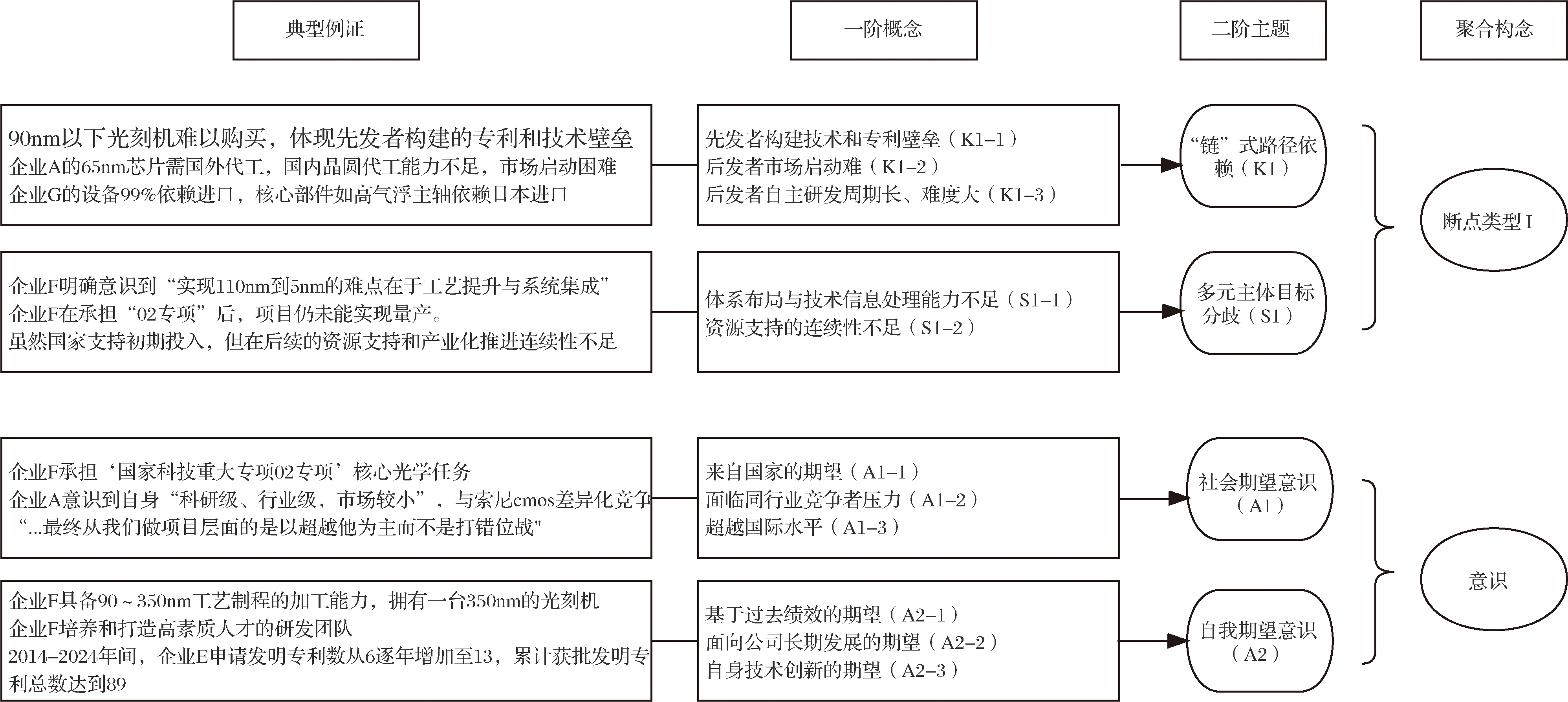
Figure 1 Coding structure A
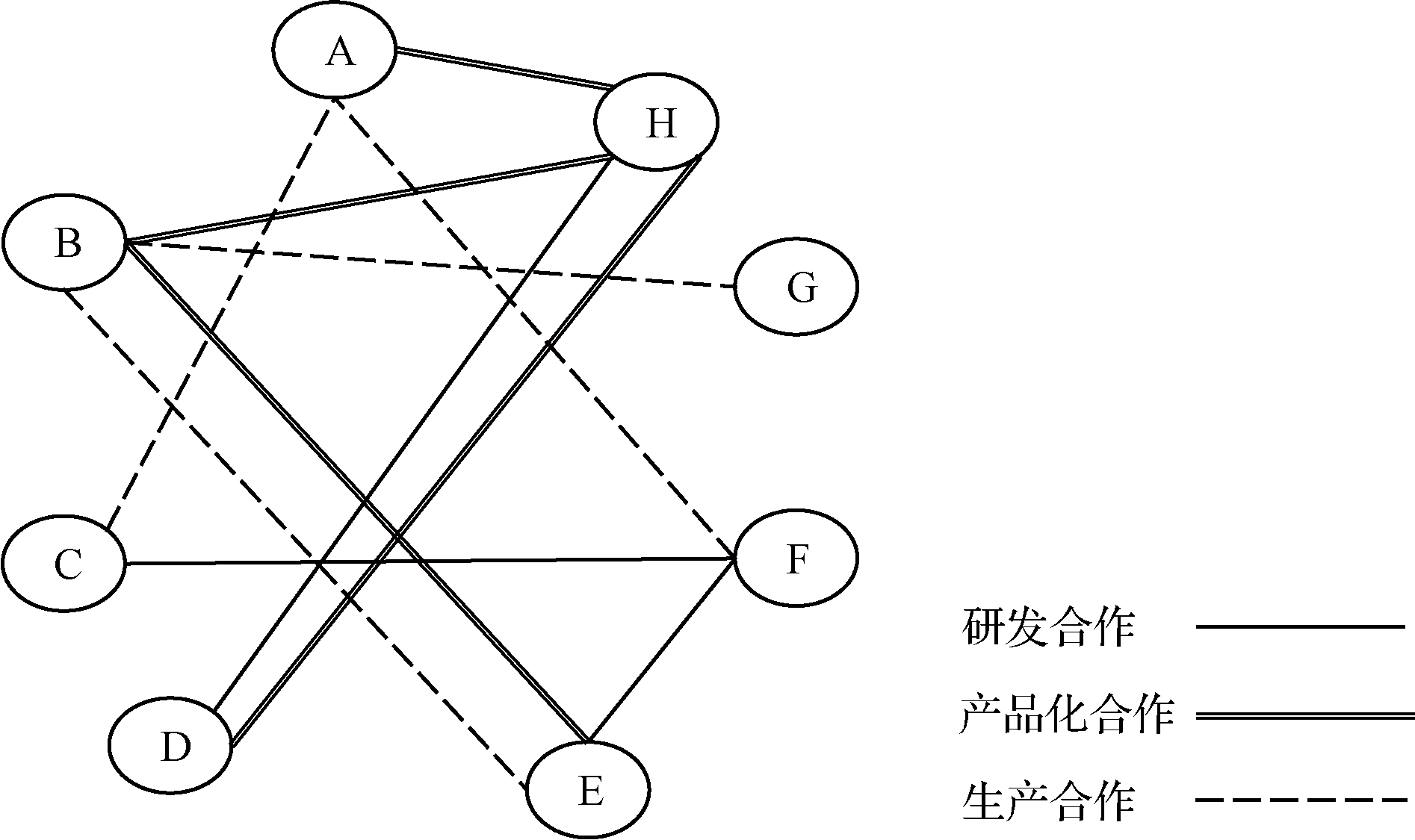
Figure 2 The value network among case enterprises
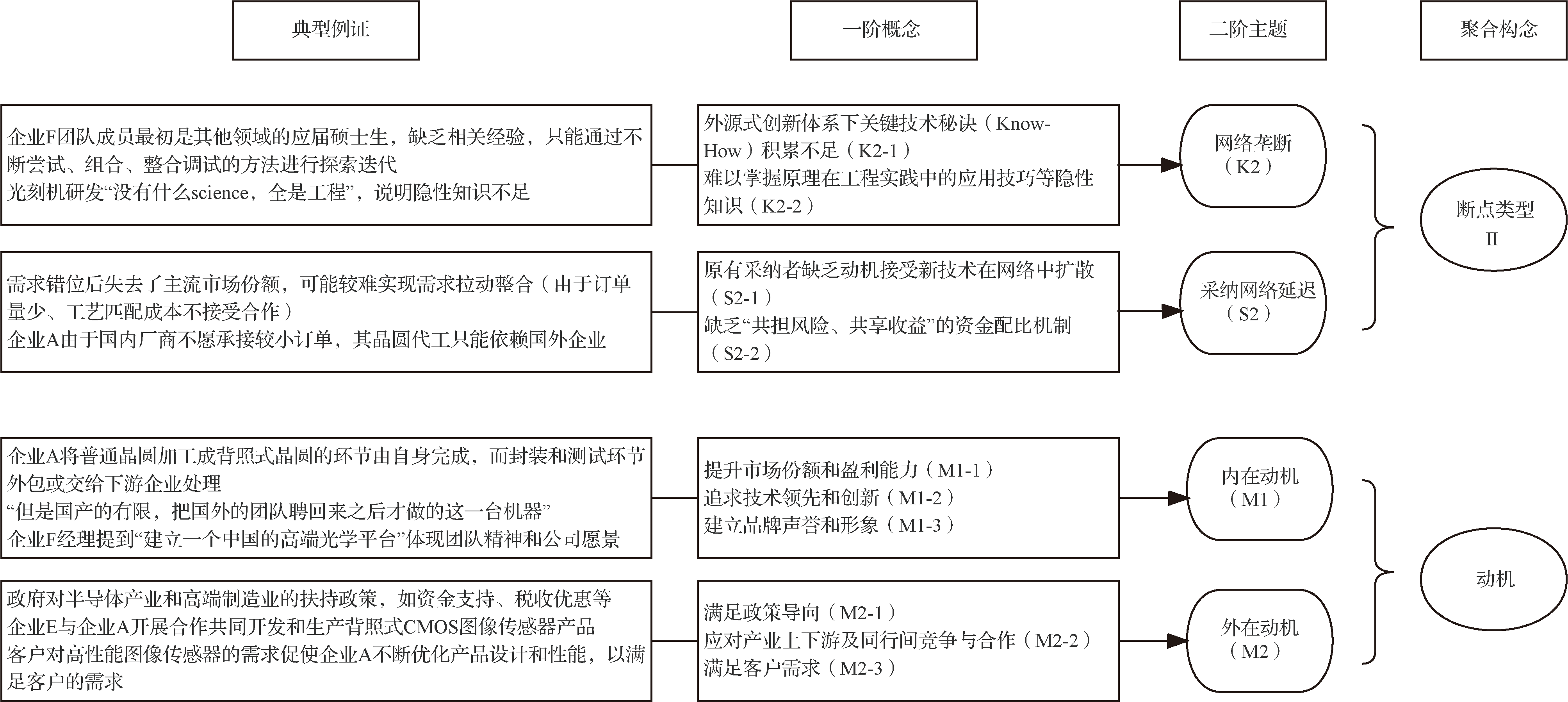
Figure 3 Coding structure B
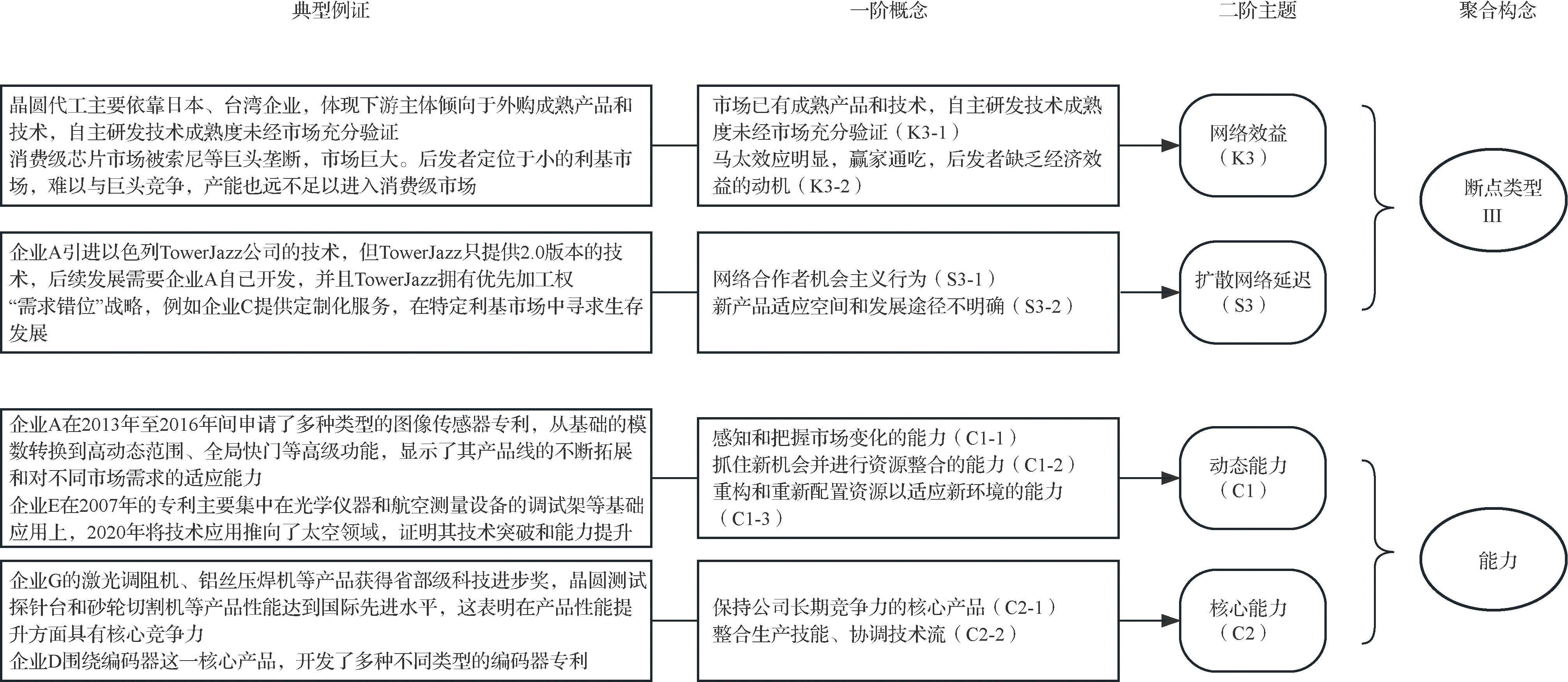
Figure 4 Coding structure C
| 维度 | 技术类型 | 创新死亡谷 | 企业应对策略 | 企业/合作关系 |
|---|---|---|---|---|
| 意识(Awareness) | 卡脖子技术 | “链”式路径依赖 | 差异化竞争 专注科研/行业级小众市场 | 企业A |
| 杀手锏技术 | 多元主体目标分歧 | 自我期望意识推动工艺创新 增强内部承诺 | 企业C+企业F | |
| 动机(Motivation) | 卡脖子技术 | 网络垄断难题 | 内在动机促进持续学习 隐性知识积累 | 企业H |
| 杀手锏技术 | 采纳网络延迟 | 外在动机引入外部资源 多元主体协调 | 企业A+企业E | |
| 能力(Capability) | 卡脖子技术 | 网络效益不足 | 形成产品系列与核心能力 规模化销售 | 企业D、企业G |
| 杀手锏技术 | 扩散网络延迟 | 动态能力感知市场变化 重构商业模式 | 企业C+企业B+企业D |
Table 5 Strategies for addressing innovation death valleys in value networks
| 维度 | 技术类型 | 创新死亡谷 | 企业应对策略 | 企业/合作关系 |
|---|---|---|---|---|
| 意识(Awareness) | 卡脖子技术 | “链”式路径依赖 | 差异化竞争 专注科研/行业级小众市场 | 企业A |
| 杀手锏技术 | 多元主体目标分歧 | 自我期望意识推动工艺创新 增强内部承诺 | 企业C+企业F | |
| 动机(Motivation) | 卡脖子技术 | 网络垄断难题 | 内在动机促进持续学习 隐性知识积累 | 企业H |
| 杀手锏技术 | 采纳网络延迟 | 外在动机引入外部资源 多元主体协调 | 企业A+企业E | |
| 能力(Capability) | 卡脖子技术 | 网络效益不足 | 形成产品系列与核心能力 规模化销售 | 企业D、企业G |
| 杀手锏技术 | 扩散网络延迟 | 动态能力感知市场变化 重构商业模式 | 企业C+企业B+企业D |
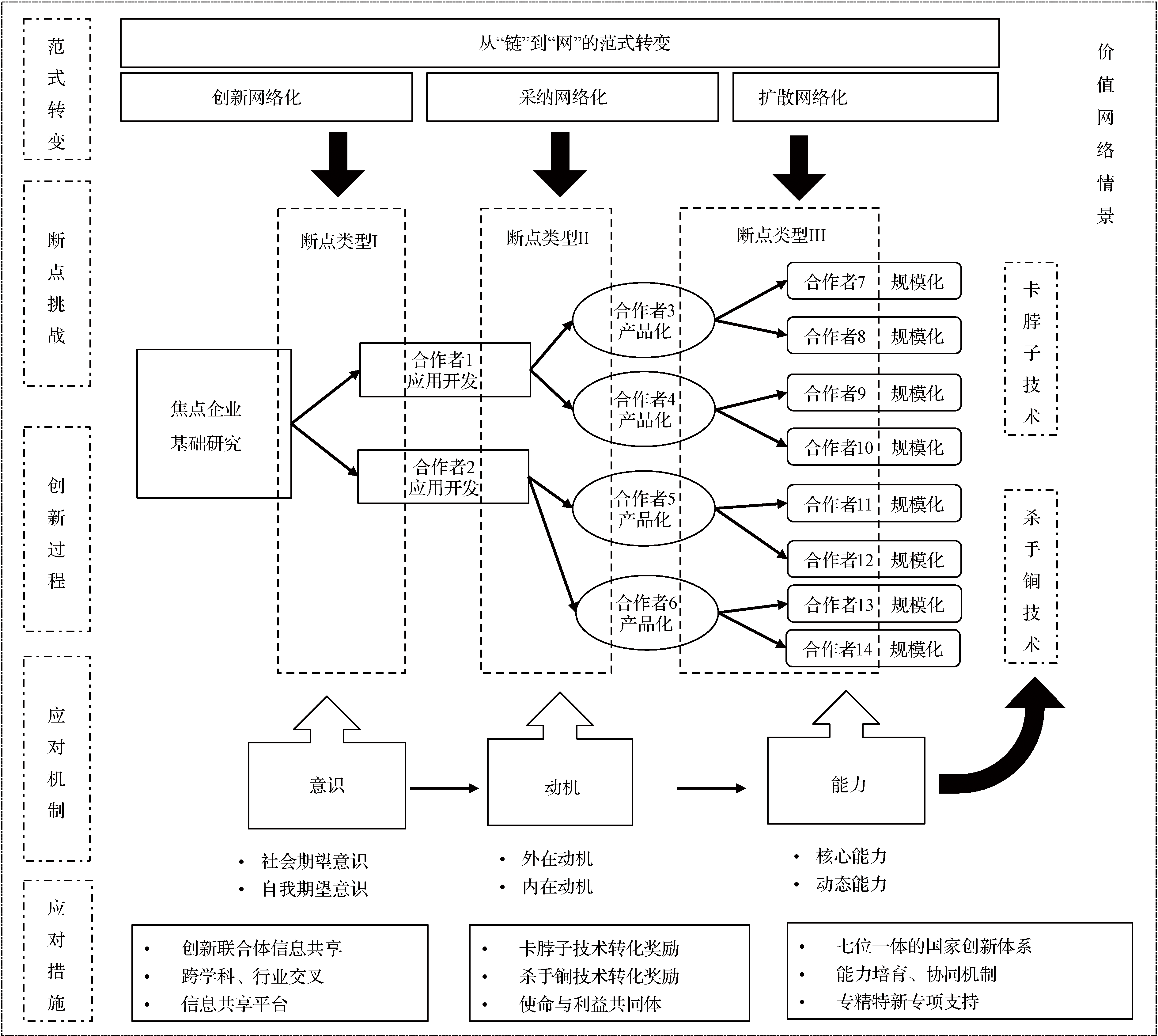
Figure 5 Theoretical model
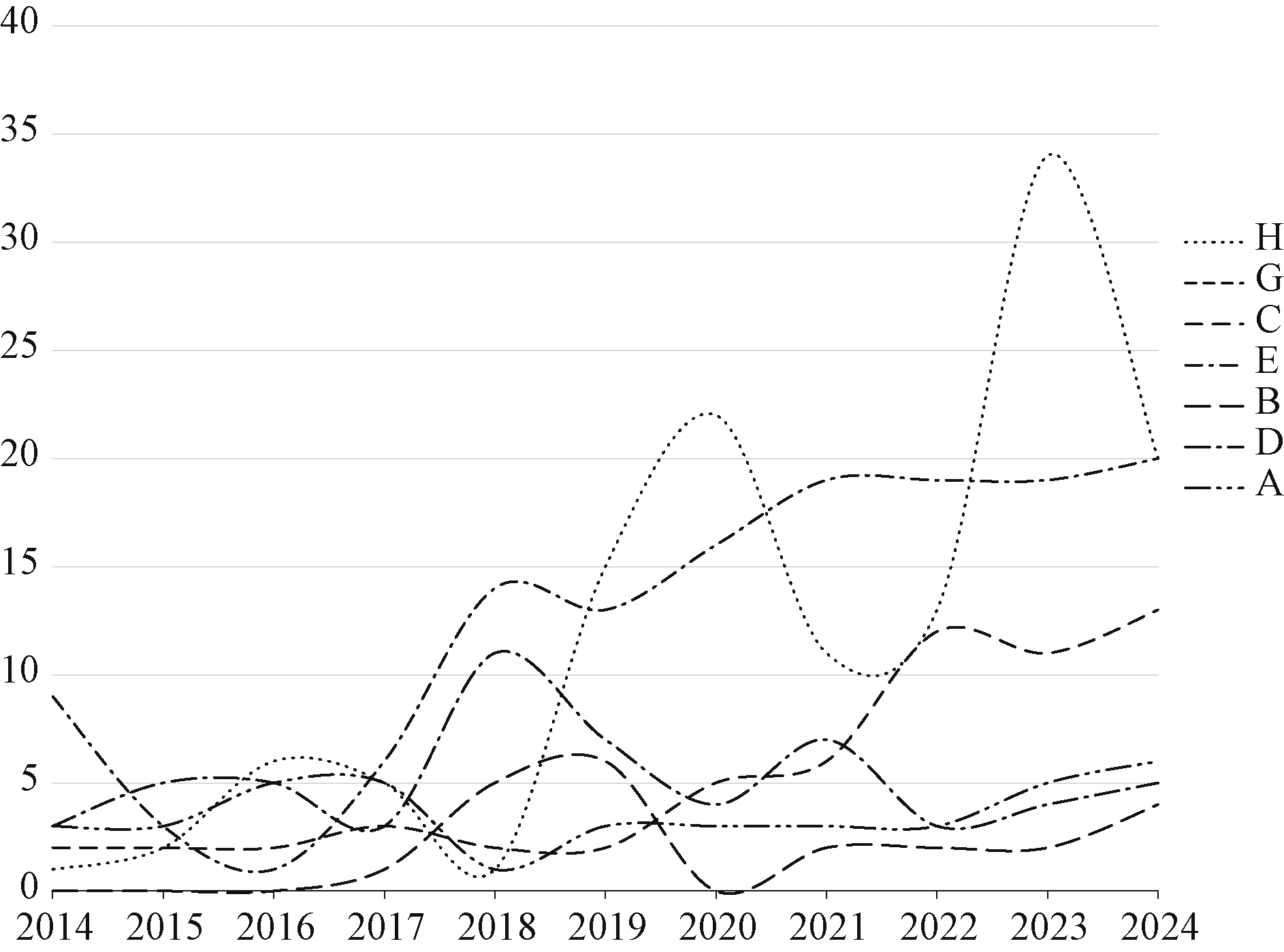
Figure 6 Curve of Granted Invention Patents
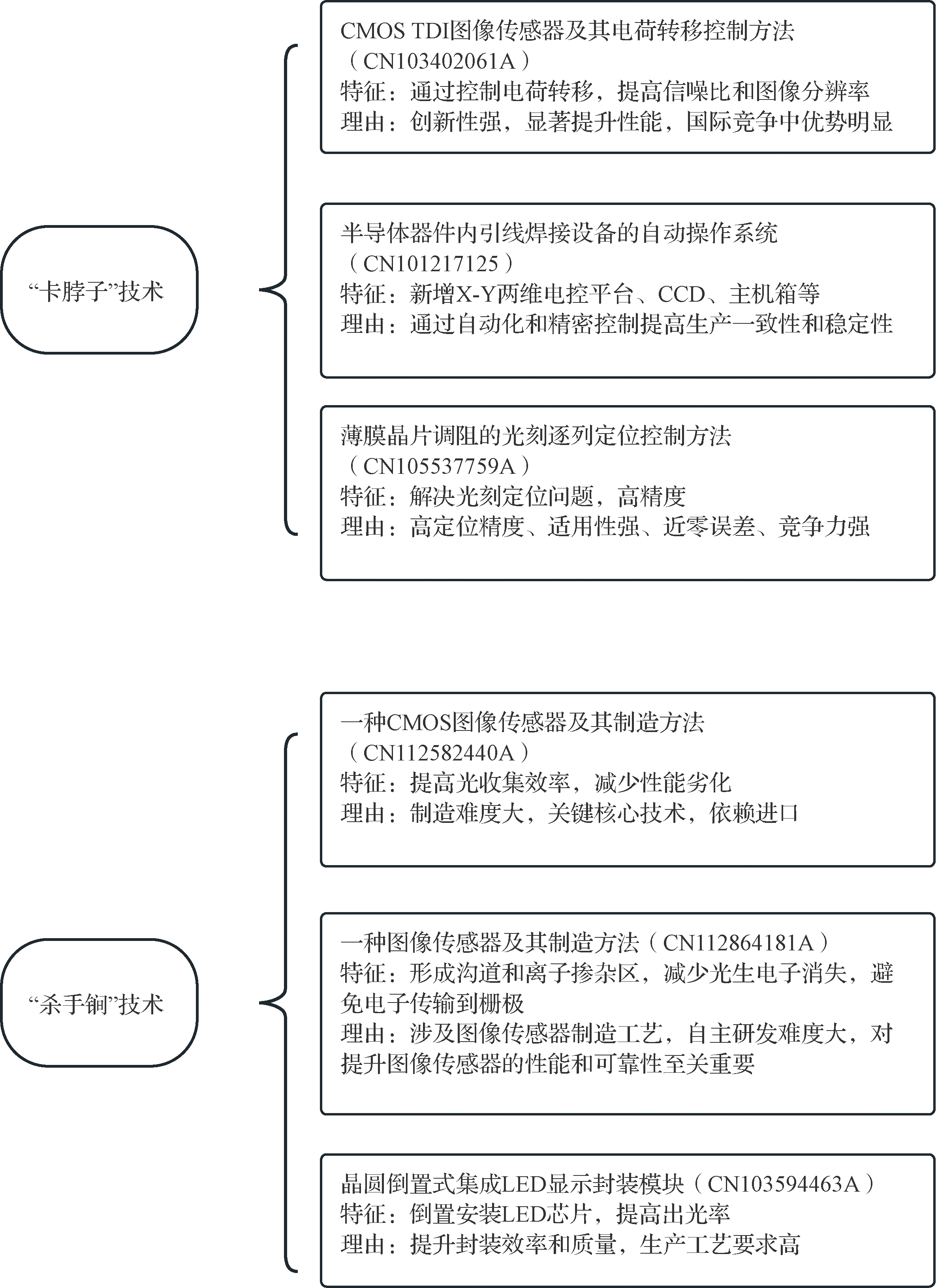
Figure 7 Representative patents for bottleneck technologies and killer technologies
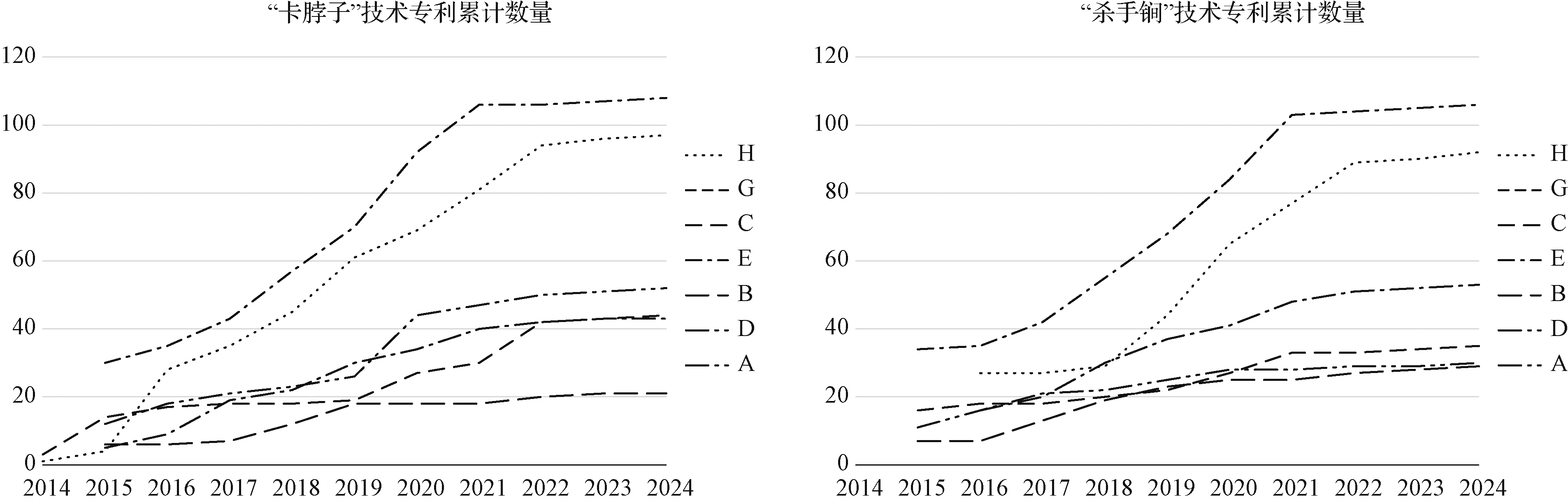
Figure 8 Cumulative patents for bottleneck and killer technologies
| [1] | 吴晓波, 李王镕, 林福鑫, 等. 数字孪生技术驱动产业链创新链融合发展的内涵、特征与实现路径[J]. 科技管理研究, 2024, 44: 110-118. |
| Wu X B, Li W R, Lin F X, et al. Connotation, characteristics and implementation path of digital twin technology driving the integration of industrial chain and innovation chain[J]. Science and Technology Management Research, 2024, 44: 110-118. | |
| [2] | 刘佳昕, 李树文, 朱方伟, 等. 国有企业元件国产化替代的动态最优区分机制[J]. 科研管理, 2024, 45: 79-88. |
| Liu J X, Li S W, Zhu F W, et al. Dynamic optimal differentiation mechanism for import substitution of industrial components in state-owned enterprises[J]. Science Research Management, 2024, 45: 79-88. | |
| [3] |
Dosi G. Technological paradigms and technological trajectories[J]. Research Policy, 1982, 11(3): 147-162.
DOI URL |
| [4] | 王华, 李龙. 全球半导体贸易网络的结构演进及稳定性分析[J]. 科学学研究, 2025, 43(3): 462-476. |
| Wang H, Li L. Structural evolution and stability analysis of the global semiconductor trade network[J]. Studies in Science of Science, 2025, 43(3): 462-476. | |
| [5] |
Mcintyre D P, Srinivasan A. Networks, platform, and strategy: Emerging views and next steps[J]. Strategic Management Journal, 2017, 38(1): 141-160.
DOI URL |
| [6] |
Adner R. Match your innovation strategy to your innovation ecosystem[J]. Harvard Business Review, 2006, 84(4): 98-107.
PMID |
| [7] | 吴晓波, 邵贻玥, 林福鑫. 突破关键核心技术创新“死亡之谷”的路径机制[J]. 科学学研究, 2026, 44(1):129-140. |
| Wu X B, Shao Y Y, Lin F X. Path mechanism for breaking through the “valley of death” in critical core technology innovation[J]. Studies in Science of Science, 2026, 44(1):129-140. | |
| [8] | 王宛秋, 姚雨非, 郄海拓, 等. 产业政策促进了半导体企业的创新发展吗?[J]. 科学学研究, 2023, 41: 58-69. |
| Wang W Q, Yao Y F, Qie H T, et al. Has industrial policy promoted the innovation development of semiconductor enterprises?[J]. Studies in Science of Science, 2023, 41: 58-69. | |
| [9] | 孟佳辉, 王健. 大国竞争、高科技产业与创新联盟博弈--政府干预视角下的美国半导体产业全球领先计划[J]. 科学学研究, 2023, 41: 1980-90. |
| Meng J H, Wang J. Great power competition, high-tech industry and innovation alliance game: Global leading program of US semiconductor industry from the perspective of government intervention[J]. Studies in Science of Science, 2023, 41: 1980-1990. | |
| [10] |
Rothwell R. Towards the fifth-generation innovation process[J]. International Marketing Review, 1994, 11(1): 7-31.
DOI URL |
| [11] | 许庆瑞. 研究与发展管理[M]. 高等教育出版社, 1986. |
| Xu Q R. Research and Development Management[M]. Beijing: Higher Education Press, 1986. | |
| [12] |
Chen M-J, Miller D. Competitive dynamics: Themes, trends, and a prospective research platform[J]. Academy of Management Annals, 2012, 6(1): 135-210.
DOI URL |
| [13] |
Chen M-J, Smith K G, Grimm C M. Action characteristics as predictors of competitive responses[J]. Management Science, 1992, 38(3): 439-455.
DOI URL |
| [14] |
Chen E L, Katila R, Mcdonald R, et al. Life in the fast lane: Origins of competitive interaction in new vs. established markets [J]. Strategic Management Journal, 2010, 31(13): 1527-1547.
DOI URL |
| [15] | Chen M J, Miller D. Competitive attack, retaliation and performance: An expectancy-valence framework[J]. Strategic Management Journal, 1994, 15(2): 85-102. |
| [16] |
Chen M-J. Competitor analysis and interfirm rivalry: Toward a theoretical integration[J]. Academy of Management Review, 1996, 21(1): 100-134.
DOI URL |
| [17] | Yin R K. Case Study Research: Design and Methods[M]. Sage, 2009. |
| [18] |
Perry C. Processes of a case study methodology for postgraduate research in marketing[J]. European Journal of Marketing, 1998, 32(9/10): 785-802.
DOI URL |
| [19] | 赵兰香, 潘宏亮. 专精特新企业迭代创新模式研究--基于不同创新情境的多案例研究[J]. 科学学研究, 2025, 43(11): 2370-2378. |
| Zhao L X, Pan H L. Research on the iterative innovation model of “specialized, refined, distinctive, and novel” enterprises: A multi-case study based on different innovation contexts[J]. Studies in Science of Science, 2025, 43(11): 2370-2378. | |
| [20] |
Greve H R. Performance, aspirations, and risky organizational change[J]. Administrative Science Quarterly, 1998, 43: 58-86.
DOI URL |
| [21] |
Gavetti G, Greve H R, Levinthal D A, et al. The behavioral theory of the firm: Assessment and prospects[J]. Academy of Management Annals, 2012, 6(1): 1-40.
DOI URL |
| [22] |
Vissa B, Greve H R, Chen W R. Business group affiliation and firm search behavior in India: Responsiveness and focus of attention[J]. Organization Science, 2010, 21(3): 696-712.
DOI URL |
| [23] |
Kim H S, Sherman D K. " Express yourself": Culture and the effect of self-expression on choice[J]. Journal of Personality and Social Psychology, 2007, 92(1): 1-11.
DOI URL |
| [24] |
Ryan R M, Deci E L. Self-determination theory and the facilitation of intrinsic motivation, social development, and well-being[J]. American Psychologist, 2000, 55(1): 68-78.
DOI PMID |
| [25] |
Argote L, Miron-spektor E. Organizational learning: From experience to knowledge[J]. Organization Science, 2011, 22(5): 1123-1137.
DOI URL |
| [26] |
Hoffman W, Lavie D, Reuer J J, et al. The interplay of competition and cooperation[J]. Strategic Management Journal, 2018, 39(12): 3033-3052.
DOI URL |
| [27] |
Markides C C, Williamson P J. Related diversification, core competences and corporate performance[J]. Strategic Management Journal, 1994, 15(S2): 149-65.
DOI URL |
| [28] |
Maritan C A, Florence R E. Investing in capabilities: Bidding in strategic factor markets with costly information[J]. Managerial and Decision Economics, 2008, 29(2-3): 227-239.
DOI URL |
| [29] | 王毅, 陈劲, 许庆瑞. 企业核心能力:理论溯源与逻辑结构剖析[J]. 管理科学学报, 2000, 3(3): 24-32,43. |
| Wang Y, Chen J, Xu Q R. Core competence of the enterprise: Theoretical origin and logical structure analysis[J]. Journal of Management Sciences in China, 2000, 3(3): 24-32,43. | |
| [30] |
Zott C, Amit R. Business model design and the performance of entrepreneurial firms[J]. Organization Science, 2007, 18(2): 181-199.
DOI URL |
| [1] | . Great Power Competition, High-Tech Industry, and the Innovation Alliance Game: The U.S. Semiconductor Industry's Global Leadership Program from the Perspective of Government Intervention [J]. Studies in Science of Science, 2023, 41(11): 1980-1990. |
| Viewed | ||||||
|
Full text |
|
|||||
|
Abstract |
|
|||||
