
Studies in Science of Science ›› 2026, Vol. 44 ›› Issue (2): 386-396.
• Frontiers and Opinions • Previous Articles Next Articles
LIU Hai-jian1, LI Ji-chen2( )
)
Received:2025-01-04
Revised:2025-02-14
Online:2026-02-15
Published:2026-02-15
Contact:
LI Ji-chen
刘海建1, 李纪琛2()
通讯作者:
李纪琛
作者简介:刘海建(1975-),男,教授、博士生导师。
基金资助:CLC Number:
LIU Hai-jian, LI Ji-chen. How can manufacturing enterprises achieve high-quality platform transformation?——Based on the perspective of corporate digital responsibility[J]. Studies in Science of Science, 2026, 44(2): 386-396.
刘海建, 李纪琛. 制造业企业如何实现高质量平台化转型?——基于企业数字责任研究视角[J]. 科学学研究, 2026, 44(2): 386-396.
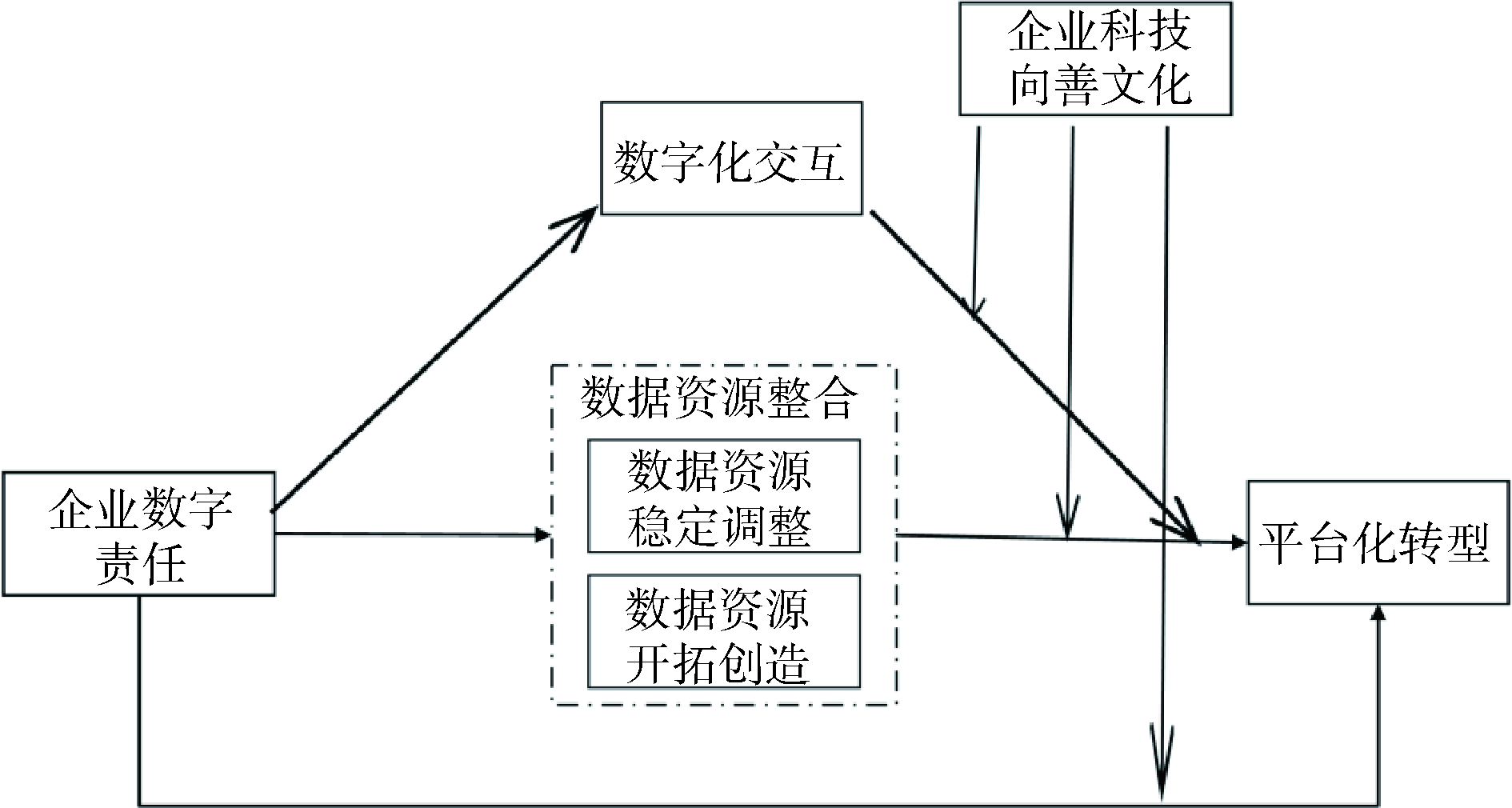
Figure 1 Conceptual model
| 变量 | 题项 | 因子载荷 | CR | AVE | Cronbach’s α | |
|---|---|---|---|---|---|---|
| 企业数字责任 | 企业重视与数字技术、信息等方面的责任管理 | 0.709 | 0.873 | 0.501 | 0.872 | |
| 企业已将数字责任纳入企业战略发展规划 | 0.725 | |||||
| 企业不断制定并完善行业数据管理标准 | 0.693 | |||||
| 企业有保障各类数据、信息不被第三方获取的技术 | 0.697 | |||||
| 企业有保障数据运营、数字技术管理的专业团队 | 0.679 | |||||
| 企业不断加深数字技术与利益相关者的关系和互动 | 0.675 | |||||
| 企业不断优化数字技术,解决企业运营技术bug | 0.744 | |||||
| 数字化交互 | 企业鼓励用户在线分享他们对产品或服务的看法 | 0.724 | 0.798 | 0.499 | 0.856 | |
| 企业鼓励用户在线参与,同公司一起设计产品和服务 | 0.716 | |||||
| 企业通过线上渠道邀请用户一通参与对相关产品与服务的反馈与评价 | 0.667 | |||||
| 企业重视用户参与、评论与反馈 | 0.715 | |||||
| 数据资源 稳定调整 | 企业对数据资源组合进行微调 | 0.701 | 0.767 | 0.498 | 0.746 | |
| 企业增加大量的数据资源 | 0.747 | |||||
| 企业保持现有的数据资源结构不发生显著变化 | 0.661 | |||||
| 数据资源 开拓创新 | 企业将新的数据资源组合到一起 | 0.692 | 0.825 | 0.487 | 0.747 | |
| 企业拥有创意的新方法对现有数据资源进行组合 | 0.669 | |||||
| 企业创造性地将新的数据资源与现有数据资源加以组合 | 0.747 | |||||
| 企业科技 向善文化 | 企业主动了解技术与社会问题适配程度 | 0.735 | 0.874 | 0.537 | 0.904 | |
| 企业努力将所有与产品和服务相关联群体(用户、开发人员、供应商、社区和 社会整体)的利益考虑到产品和服务的设计与使用中 | 0.739 | |||||
| 企业努力平衡短期盈利与相关联群体(用户、开发人员、供应商、 社区和社会整体)长远发展利益 | 0.759 | |||||
| 企业主动将基于潜在需求持续创造具有商业价值与社会价值产品和 服务的理念融入企业文化中 | 0.728 | |||||
| 公司通过数字技术能够增强用户体验和提升客户价值 | 0.716 | |||||
| 企业主动将最大化用户价值和社会福祉融入发展的愿景与使命中 | 0.720 | |||||
| 平台化转型 | 企业达到了组织内部各业务部门之间的平台技术标准化和基础设施共享 | 0.766 | 0.855 | 0.542 | 0.883 | |
| 企业达到了与外部合作伙伴的平台技术标准化和基础设施共享 | 0.731 | |||||
| 企业通过数字平台有效地标准化了公司内部各业务部门的 管理流程和运营流程等 | 0.702 | |||||
| 企业通过数字平台与外部合作伙伴(例如外部服务提供商和业务合作伙伴) 有效地标准化了管理流程和运营流程 | 0.734 | |||||
| 企业通过数字平台有效地在外部(例如供应商、客户和其他合作伙伴) 共享标准化数据 | 0.746 | |||||
Table 1 Reliability and validity testing
| 变量 | 题项 | 因子载荷 | CR | AVE | Cronbach’s α | |
|---|---|---|---|---|---|---|
| 企业数字责任 | 企业重视与数字技术、信息等方面的责任管理 | 0.709 | 0.873 | 0.501 | 0.872 | |
| 企业已将数字责任纳入企业战略发展规划 | 0.725 | |||||
| 企业不断制定并完善行业数据管理标准 | 0.693 | |||||
| 企业有保障各类数据、信息不被第三方获取的技术 | 0.697 | |||||
| 企业有保障数据运营、数字技术管理的专业团队 | 0.679 | |||||
| 企业不断加深数字技术与利益相关者的关系和互动 | 0.675 | |||||
| 企业不断优化数字技术,解决企业运营技术bug | 0.744 | |||||
| 数字化交互 | 企业鼓励用户在线分享他们对产品或服务的看法 | 0.724 | 0.798 | 0.499 | 0.856 | |
| 企业鼓励用户在线参与,同公司一起设计产品和服务 | 0.716 | |||||
| 企业通过线上渠道邀请用户一通参与对相关产品与服务的反馈与评价 | 0.667 | |||||
| 企业重视用户参与、评论与反馈 | 0.715 | |||||
| 数据资源 稳定调整 | 企业对数据资源组合进行微调 | 0.701 | 0.767 | 0.498 | 0.746 | |
| 企业增加大量的数据资源 | 0.747 | |||||
| 企业保持现有的数据资源结构不发生显著变化 | 0.661 | |||||
| 数据资源 开拓创新 | 企业将新的数据资源组合到一起 | 0.692 | 0.825 | 0.487 | 0.747 | |
| 企业拥有创意的新方法对现有数据资源进行组合 | 0.669 | |||||
| 企业创造性地将新的数据资源与现有数据资源加以组合 | 0.747 | |||||
| 企业科技 向善文化 | 企业主动了解技术与社会问题适配程度 | 0.735 | 0.874 | 0.537 | 0.904 | |
| 企业努力将所有与产品和服务相关联群体(用户、开发人员、供应商、社区和 社会整体)的利益考虑到产品和服务的设计与使用中 | 0.739 | |||||
| 企业努力平衡短期盈利与相关联群体(用户、开发人员、供应商、 社区和社会整体)长远发展利益 | 0.759 | |||||
| 企业主动将基于潜在需求持续创造具有商业价值与社会价值产品和 服务的理念融入企业文化中 | 0.728 | |||||
| 公司通过数字技术能够增强用户体验和提升客户价值 | 0.716 | |||||
| 企业主动将最大化用户价值和社会福祉融入发展的愿景与使命中 | 0.720 | |||||
| 平台化转型 | 企业达到了组织内部各业务部门之间的平台技术标准化和基础设施共享 | 0.766 | 0.855 | 0.542 | 0.883 | |
| 企业达到了与外部合作伙伴的平台技术标准化和基础设施共享 | 0.731 | |||||
| 企业通过数字平台有效地标准化了公司内部各业务部门的 管理流程和运营流程等 | 0.702 | |||||
| 企业通过数字平台与外部合作伙伴(例如外部服务提供商和业务合作伙伴) 有效地标准化了管理流程和运营流程 | 0.734 | |||||
| 企业通过数字平台有效地在外部(例如供应商、客户和其他合作伙伴) 共享标准化数据 | 0.746 | |||||
| 变量 | Mean | S.D. | 数字责任 | 数字化交互 | 资源调整 | 资源创新 | 向善文化 | 平台化 |
|---|---|---|---|---|---|---|---|---|
| 企业数字责任 | 3.55 | 0.857 | 1 | |||||
| 数字化交互 | 3.56 | 0.882 | .402** | 1 | ||||
| 数据资源调整 | 3.49 | 0.972 | .366** | .629** | 1 | |||
| 数据资源创新 | 3.5 | 0.965 | .340** | .617** | .824** | 1 | ||
| 科技向善文化 | 2.52 | 0.924 | .367** | .482** | .515** | .469** | 1 | |
| 平台化转型 | 3.51 | 0.894 | .378** | .385** | .341** | .348** | -.330** | 1 |
Table 2 Descriptive statistics and correlation analysis
| 变量 | Mean | S.D. | 数字责任 | 数字化交互 | 资源调整 | 资源创新 | 向善文化 | 平台化 |
|---|---|---|---|---|---|---|---|---|
| 企业数字责任 | 3.55 | 0.857 | 1 | |||||
| 数字化交互 | 3.56 | 0.882 | .402** | 1 | ||||
| 数据资源调整 | 3.49 | 0.972 | .366** | .629** | 1 | |||
| 数据资源创新 | 3.5 | 0.965 | .340** | .617** | .824** | 1 | ||
| 科技向善文化 | 2.52 | 0.924 | .367** | .482** | .515** | .469** | 1 | |
| 平台化转型 | 3.51 | 0.894 | .378** | .385** | .341** | .348** | -.330** | 1 |
| 变量 | 数字化交互 | 数据资源稳定调整 | 数据资源开拓创新 | 平台化转型 | ||||||||||
|---|---|---|---|---|---|---|---|---|---|---|---|---|---|---|
| Model1 | Model2 | Model3 | Model4 | Model5 | Model6 | Model7 | Model8 | Model9 | Model10 | Model11 | ||||
| 企业年龄 | 0.045 | 0.047 | -0.074 | -0.05 | -0.09 | -0.069 | -0.106 | 0.045 | 0.057 | -0.052 | -0.071 | |||
| 职工职位 | -0.081 | -0.019 | -0.109 | -0.064 | -0.05 | -0.009 | .0450 | -0.081 | -0.017 | -0.044 | 0.010 | |||
| 企业行业 | 0.029 | 0.032 | -0.019 | -0.032 | -0.036 | -0.048 | -0.11 | 0.029 | 0.025 | -0.029 | -0.045 | |||
| 企业性质 | 0.082 | 0.108 | 0.081 | 0.058 | 0.091 | 0.070 | 0.026 | 0.082 | 0.091 | 0.074 | 0.086 | |||
| 企业规模 | 0.039 | 0.862 | -0.037 | -0.024 | 0.028 | 0.040 | 0.081 | 0.039 | 0.082 | -0.033 | 0.031 | |||
| 企业数字责任 | 0.382** | 0.534*** | 0.476*** | 0.348*** | 0.231** | 0.237*** | 0.237*** | |||||||
| 数字化交互 | 0.289** | 0.404*** | ||||||||||||
| 数据稳定调整 | 0.208*** | |||||||||||||
| 数据开拓创新 | 0.233*** | |||||||||||||
| R2 | 0.016 | 0.158 | 0.022 | 0.304 | 0.023 | 0.012 | 0.023 | 0.142 | 0.202 | 0.274 | 0.331 | |||
| Adj.R2 | 0.007 | 0.149 | 0.011 | 0.295 | 0.247 | 0.237 | 0.010 | 0.131 | 0.192 | 0.274 | 0.321 | |||
| ΔR2 | 0.891 | 0.825 | 0.016 | 0.118 | 0.011 | 0.295 | 0.315 | 0.120 | 0.068 | 0.321 | 0.068 | |||
| F值 | 1.850 | 16.950*** | 2.018 | 32.869*** | 2.126 | 24.661*** | 1.737 | 0.01*** | 19.951*** | 24.204*** | 31.809*** | |||
Table 3 Hierarchical regression model regression results
| 变量 | 数字化交互 | 数据资源稳定调整 | 数据资源开拓创新 | 平台化转型 | ||||||||||
|---|---|---|---|---|---|---|---|---|---|---|---|---|---|---|
| Model1 | Model2 | Model3 | Model4 | Model5 | Model6 | Model7 | Model8 | Model9 | Model10 | Model11 | ||||
| 企业年龄 | 0.045 | 0.047 | -0.074 | -0.05 | -0.09 | -0.069 | -0.106 | 0.045 | 0.057 | -0.052 | -0.071 | |||
| 职工职位 | -0.081 | -0.019 | -0.109 | -0.064 | -0.05 | -0.009 | .0450 | -0.081 | -0.017 | -0.044 | 0.010 | |||
| 企业行业 | 0.029 | 0.032 | -0.019 | -0.032 | -0.036 | -0.048 | -0.11 | 0.029 | 0.025 | -0.029 | -0.045 | |||
| 企业性质 | 0.082 | 0.108 | 0.081 | 0.058 | 0.091 | 0.070 | 0.026 | 0.082 | 0.091 | 0.074 | 0.086 | |||
| 企业规模 | 0.039 | 0.862 | -0.037 | -0.024 | 0.028 | 0.040 | 0.081 | 0.039 | 0.082 | -0.033 | 0.031 | |||
| 企业数字责任 | 0.382** | 0.534*** | 0.476*** | 0.348*** | 0.231** | 0.237*** | 0.237*** | |||||||
| 数字化交互 | 0.289** | 0.404*** | ||||||||||||
| 数据稳定调整 | 0.208*** | |||||||||||||
| 数据开拓创新 | 0.233*** | |||||||||||||
| R2 | 0.016 | 0.158 | 0.022 | 0.304 | 0.023 | 0.012 | 0.023 | 0.142 | 0.202 | 0.274 | 0.331 | |||
| Adj.R2 | 0.007 | 0.149 | 0.011 | 0.295 | 0.247 | 0.237 | 0.010 | 0.131 | 0.192 | 0.274 | 0.321 | |||
| ΔR2 | 0.891 | 0.825 | 0.016 | 0.118 | 0.011 | 0.295 | 0.315 | 0.120 | 0.068 | 0.321 | 0.068 | |||
| F值 | 1.850 | 16.950*** | 2.018 | 32.869*** | 2.126 | 24.661*** | 1.737 | 0.01*** | 19.951*** | 24.204*** | 31.809*** | |||
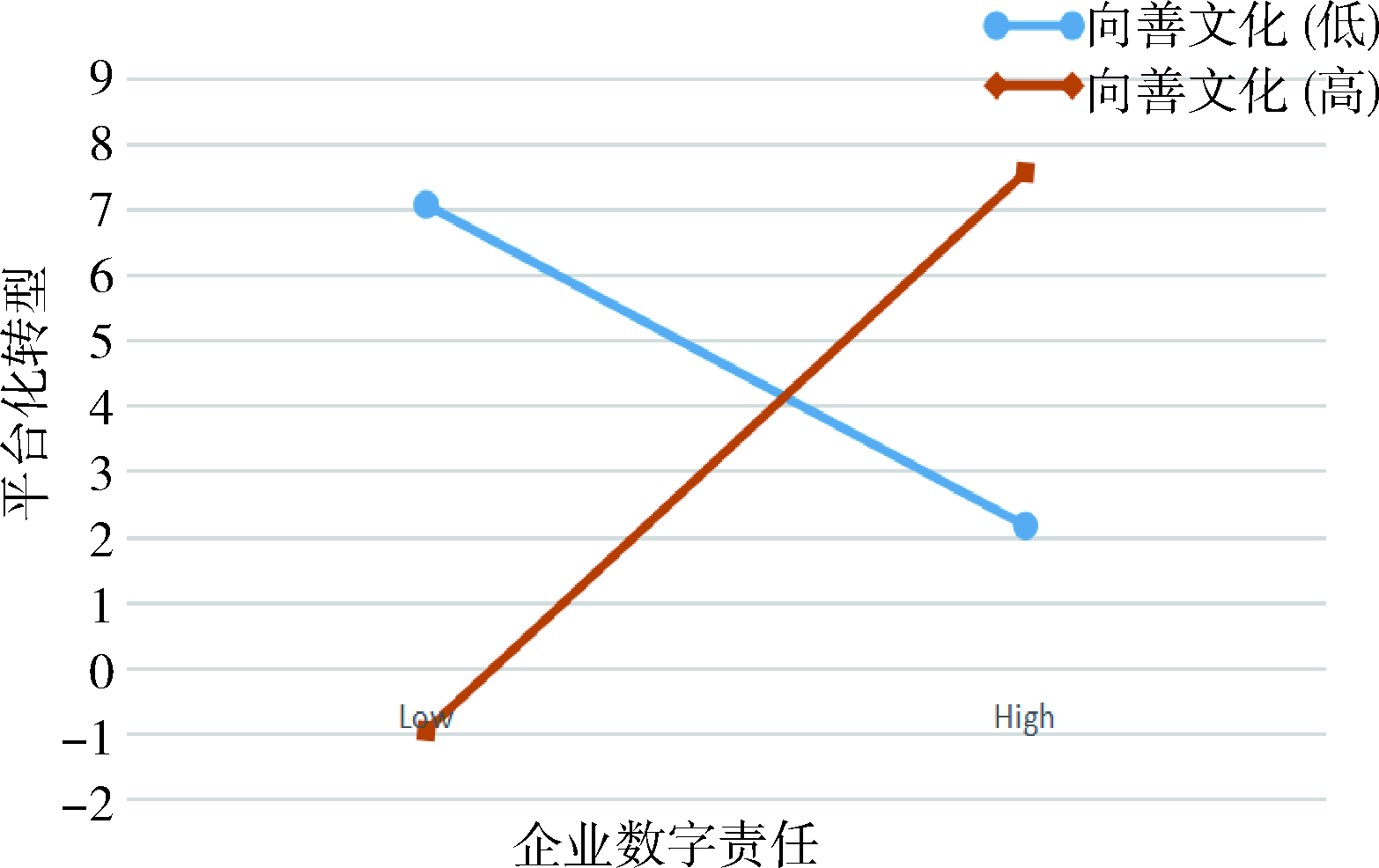
Figure 2 Direct effect modulation diagram
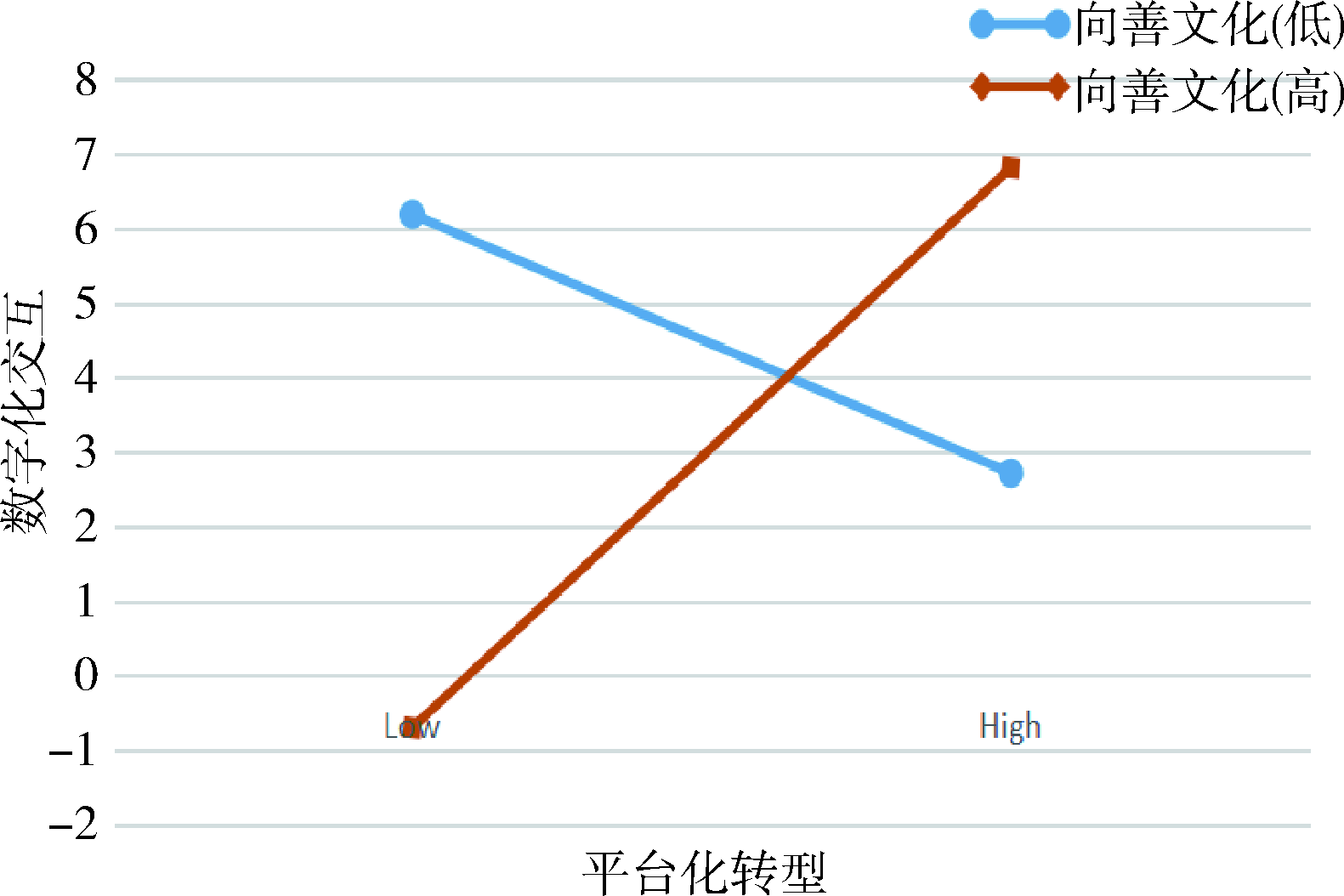
Figure 3 Moderating effect of digital interaction
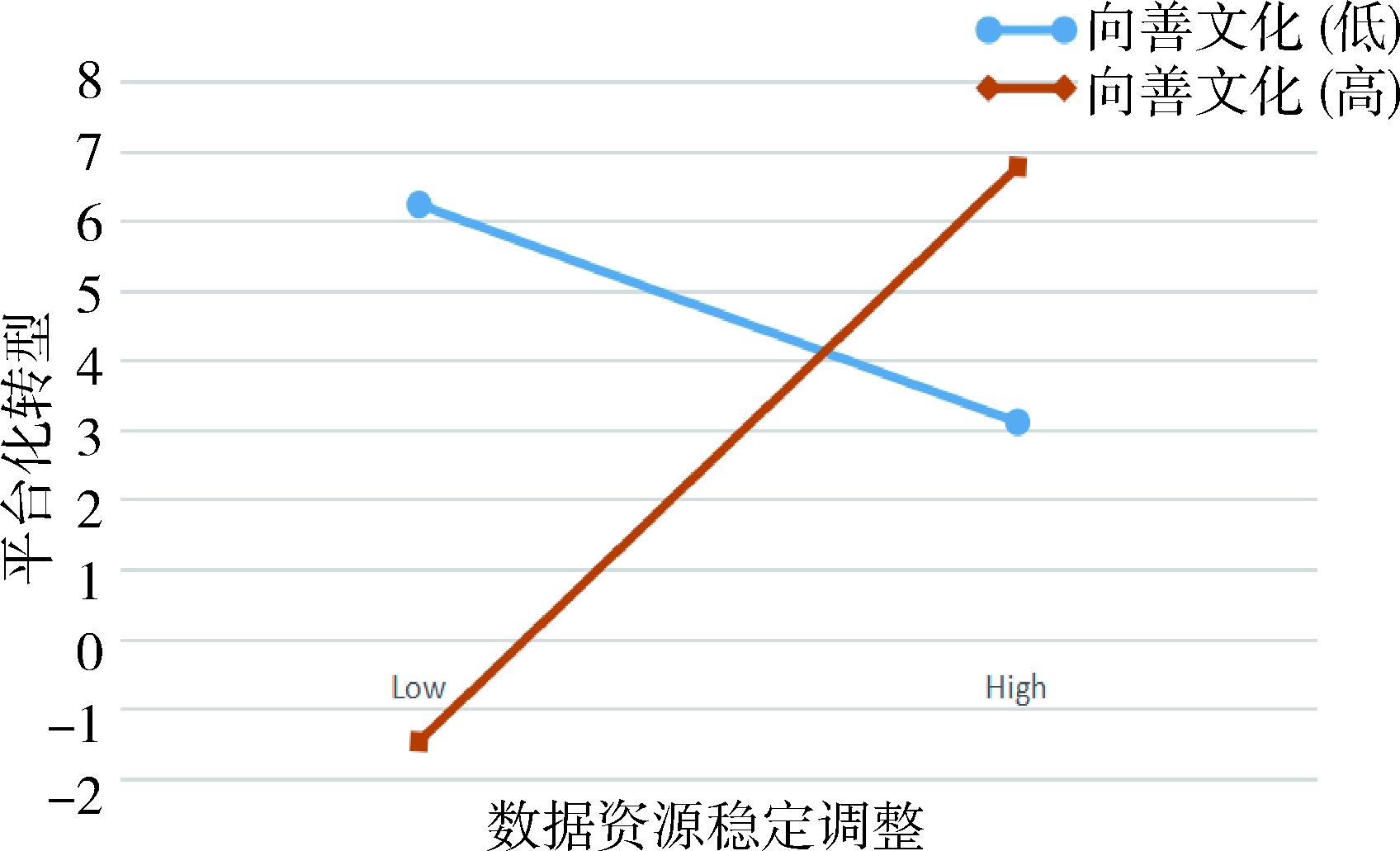
Figure 4 Moderation diagram of the mediating effect (resource stability)
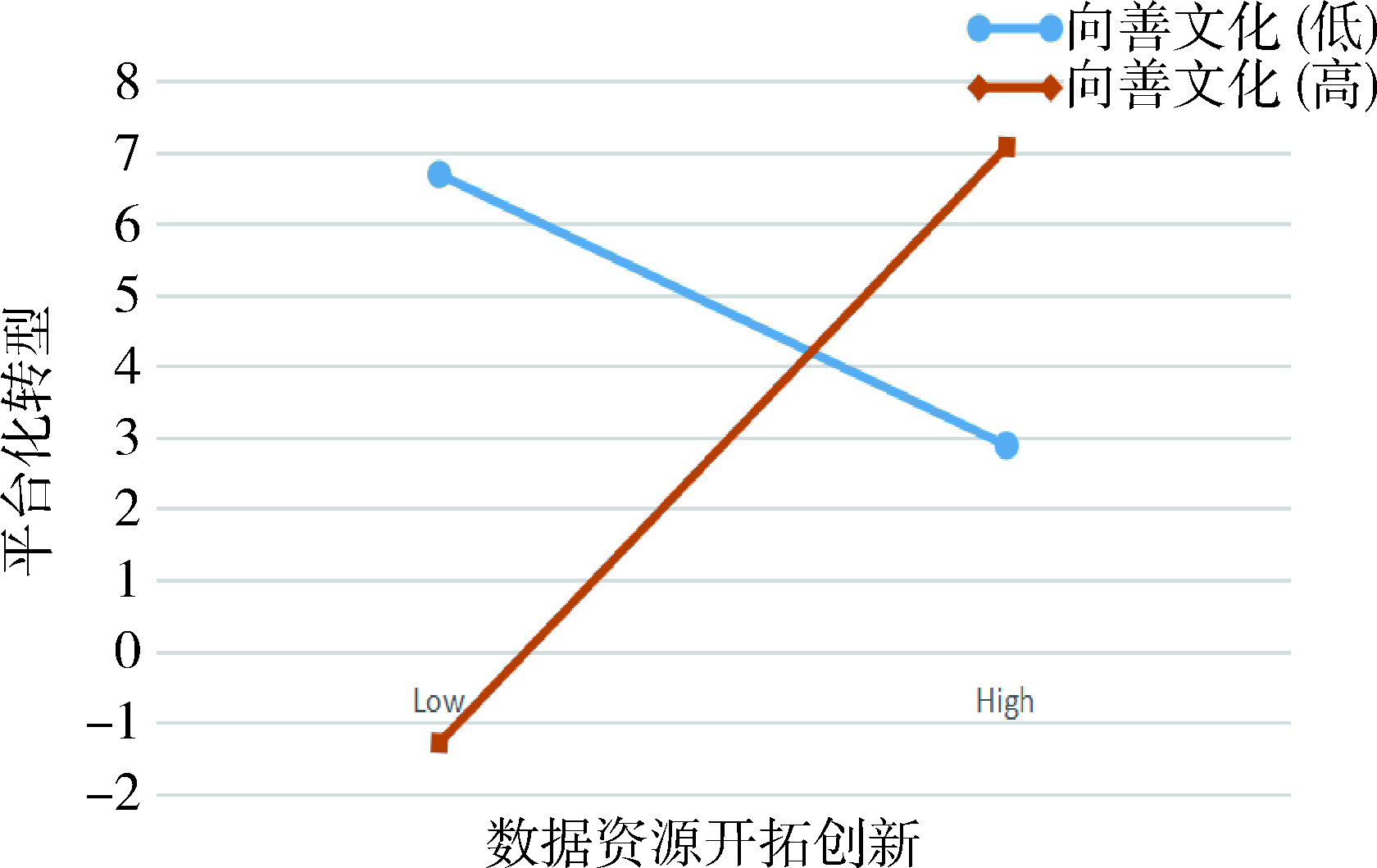
Figure 5 Moderation diagram of the mediating effect (resource innovation)
| [1] | 肖红军. 全面数字责任管理:企业数字责任实施范式的新进阶[J]. 经济管理, 2023, 45(9):5-27. |
| Xiao H J. Total corporate digital responsibility management: A new upgraded implementation paradigm of corporate digital responsibility[J]. Business and Management Journal, 2023, 45(9):5-27. | |
| [2] | 杨栩, 连志凤. 企业数字责任、数字信任与企业高质量发展[J]. 中国软科学, 2023(1):145-155. |
| Yang Y, Lian Z F. Corporate digital responsibility, digital trust and high quality development of enterprises[J]. China Soft Science, 2023(1):145-155. | |
| [3] |
Spanaki K, Karafili E, Despoudi S. AI applications of data sharing in agriculture 4.0: A framework for role-based data access control[J]. International Journal of Information Management, 2021, 59: 102350.
DOI URL |
| [4] | 马鸿佳, 王亚婧. 制造企业平台化转型如何打破“数据孤岛”?——基于人—数交互理论的混合方法研究[J]. 管理世界, 2024, 40(4):176-200. |
| Ma H J, Wang Y J. How can manufacturing enterprises break the "Data silos" In their platform transformation?A mixed method study based on human-data interaction theory[J]. Journal of Management World, 2024, 40(4):176-200. | |
| [5] | 马鸿佳, 王亚婧. 大数据资源对制造企业数字化转型绩效的影响研究[J]. 科学学研究, 2024, 42(1):146-157,182. |
| Ma H J, Wang Y J. Research on the impact of big data resources on the digital transformation performance of manufacturing enterprises[J]. Studies in Science of Science, 2024, 42(1):146-157,182. | |
| [6] | 肖红军, 张哲, 王欣. 数字平台企业社会价值共创的实现机制——基于美团“青山计划”的纵向案例研究[J]. 管理世界, 2024, 40(10):146-171. |
| Xiao H J, Zhang Z, Wang X. Mechanisms for co-creating social value in digital platform enterprises: A longitudinal case study of the meituan "Green mountain" project[J]. Journal of Management World, 2024, 40(10):146-171. | |
| [7] | Berente N, Gu B, Recker J, et al. Managing artificial intelligence[J]. MIS Quarterly, 2021, 45(3). |
| [8] | 王怀勇, 刘帆. 数字时代企业社会责任的理论拓补与实现路径[J]. 西北工业大学学报(社会科学版), 2018(4):76-83. |
| Wang H, Liu F. The theoretical supplement and achieving methods of corporate social responsibility in the digital age[J]. Journal of Northwestern Polytechnical University(Social Sciences), 2018(4):76-83. | |
| [9] |
Lobschat L, Mueller B, Eggers F, et al. Corporate digital responsibility[J]. Journal of Business Research, 2021, 122: 875-888.
DOI URL |
| [10] |
Okazaki S, Plangger K, West D, et al. Exploring digital corporate social responsibility communications on Twitter[J]. Journal of Business Research, 2020, 117: 675-682.
DOI URL |
| [11] | 肖红军, 商慧辰. 平台算法监管的逻辑起点与思路创新[J]. 改革, 2022(8):38-56. |
| Xiao H J, Shang H C. The logical starting point and thinking innovation of platform algorithm supervision[J]. Reform, 2022(8):38-56. | |
| [12] | 彭正银, 张晨, 李妍. 中小制造企业如何走向平台化?——基于数据资源编排视角的探索性案例研究[J/OL]. 南开管理评论,1-22[2024-10-22]. |
| Peng Z Y, Zhang C, Li Y. How do small and medium-sized manufacturing enterprises move towards platform?An exploratory case study from the perspective of data resource orchestration[J]. Nankai Business Review, 2024. | |
| [13] | 李纪珍, 姚佳. 企业数据精准确权的理论机理与实现路径[J]. 浙江工商大学学报, 2023(5):83-95. |
| Li J Z, Yao J. Theoretical mechanism and implementation path of rights of enterprise data[J]. Journal of Zhejiang Gongshang University, 2023(5):83-95. | |
| [14] | 王炳成, 张玉香, 崔梦洁. 数字化交互对商业模式创新的影响研究[J]. 科研管理, 2024, 45(6):136-145. |
| Wang B C, Zhang Y X, Cui M J. Research on the impact of digital interaction on business model innovation[J]. Science Research Management, 2024, 45(6):136-145. | |
| [15] |
Asgary N, Li G. Corporate social responsibility: Its economic impact and link to the bullwhip effect[J]. Journal of Business Ethics, 2016, 135: 665-681.
DOI URL |
| [16] | 周祖城. 企业社会责任与企业伦理关系分析[J]. 管理学报, 2022, 19(2):235-244. |
| Zhou Z C. The relationship between corporate social responsibility and business ethics[J]. Chinese Journal of Management, 2022, 19(2):235-244. | |
| [17] | 肖红军, 张丽丽. 数字科技伦理国际规则与中国应对[J]. 改革, 2024(9):67-83. |
| Xiao H J, Zhang L L. International rules of digital technology ethics and China's response[J]. Reform, 2024(9):67-83. | |
| [18] | 李欣隆. 平台经济数据权益的三重伦理属性[J]. 东南大学学报(哲学社会科学版), 2024, 26(5):32-38,148. |
| Li X L. The threefold ethical attributes of data rights in platform economy[J]. Journal of Southeast University(Philosophy and Social Science), 2024, 26(5):32-38,148. | |
| [19] | 郑玉双. 数据伦理的法理构造与治理模式[J]. 甘肃社会科学, 2024(4):130-139. |
| Zheng Y S. The jurisprudential structure and governance mode of data ethics[J]. Gansu Social Sciences, 2024(4):130-139. | |
| [20] | 姜雨峰, 黄斯琦, 潘楚林, 等. 企业数字责任:数字时代企业社会责任的理论拓展与价值意蕴[J]. 南开管理评论, 2024, 27(3):245-258. |
| Jiang Y F, Huang S Q, Pan C L. Corporate digital responsibility: Theoretical development and value implication of corporate social responsibility in the digital age[J]. Nankai Business Review, 2024, 27(3):245-258. | |
| [21] | 刘海建, 李纪琛, 李颖, 等. 元宇宙移动互联下企业数字责任创新[J]. 科研管理, 2024, 45(5):65-74. |
| Liu H J, Li J C, Li Y, et al. Research on the innovation of corporate digital responsibilities under the metaverse mobile internet[J]. Science Research Management, 2024, 45(5):65-74. | |
| [22] |
Kunz W H, Wirtz J. Corporate digital responsibility (CDR) in the age of AI: Implications for interactive marketing[J]. Journal of Research in Interactive Marketing, 2024, 18(1): 31-37.
DOI URL |
| [23] |
Nambisan S, Lyytinen K, Majchrzak A, et al. Digital innovation management[J]. MIS Quarterly, 2017, 41(1): 223-238.
DOI URL |
| [24] | 肖静华, 胡杨颂, 吴瑶. 成长品:数据驱动的企业与用户互动创新案例研究[J]. 管理世界, 2020, 36(3):183-205. |
| Xiao J H, Hu Y S, Wu Y. Evolving product: A case study of data-driven enterprise and user-interactive innovation[J]. Journal of Management World, 2020, 36(3): 183-205. | |
| [25] | 李盼盼, 乔晗, 郭韬. 数字化水平对制造企业商业模式创新的跨层次作用研究[J]. 科研管理, 2022, 43(11):11-20. |
| Li P P, Qiao H, Guo T. Research on the cross-level effect of digitalization level on the business model innovation of manufacturing enterprises[J]. Science Research Management, 2022, 43(11):11-20. | |
| [26] | 孟猛猛, 范思瑶, 雷家骕. 数字善治:农村创业者数字素养与企业科技向善[J]. 科学学研究, 2025, 43(7):1546-1554. |
| Meng M M, Fan S Y, Lei J. Digital good governance: Rural entrepreneurs' digital literacy and corporate technology for social good[J]. Studies in Science of Science, 2025, 43(7):1546-1554. | |
| [27] | 张振刚, 叶宝升, 户安涛, 等. 制造企业如何整合数据资源赋能产品创新绩效?——组织间计算型与关系型信任的作用[J]. 科学学研究, 2024, 42(3):649-659. |
| Zhang Z G, Ye B S, Hu A T, et al. How do manufacturing enterprises integrate data resources to enable product innovation performance? The role of calculative and relational interorganizational trust[J]. Studies in Science of Science, 2024, 42(3):649-659. | |
| [28] | 阮荣彬, 朱祖平, 陈莞, 等. 政府科技伦理治理与人工智能企业科技向善[J]. 科学学研究, 2024, 42(8):1577-1586,1606. |
| Ruan R B, Zhu Z P, Chen G, et al. The relationship between ethical governance of government in science and technology and science and technology for social good of Al enterprises[J]. Studies in Science of Science, 2024, 42(8):1577-1586,1606. |
| [1] | . Information Consumption and Digital Technology Innovation--Evidence from National Information Consumption Pilot Cities [J]. Studies in Science of Science, 2026, 44(8): 1670-1680. |
| [2] | MA Hong-jia, WANG Ya-jing. Research on the impact of big data resources on the digital transformation performance of manufacturing enterprises [J]. Studies in Science of Science, 2024, 42(1): 146-157. |
| [3] | . [J]. , 2007, 25(5): 919-926. |
| Viewed | ||||||
|
Full text |
|
|||||
|
Abstract |
|
|||||
