
Studies in Science of Science ›› 2026, Vol. 44 ›› Issue (6): 1206-1216.
• Theories and Methods • Previous Articles Next Articles
YU Jiang1,2, LU Ran1,2( ), CHEN Feng1,2, ZHANG Yue1,2
Received:2025-08-11
Revised:2025-10-04
Online:2026-06-15
Published:2026-06-15
余江1,2, 卢燃1,2(), 陈凤1,2, 张越1,2
通讯作者:
卢燃(1999-),女,满族,博士研究生, E-mail:作者简介:余江(1969-),男,教授、博士生导师。基金资助:CLC Number:
YU Jiang, LU Ran, CHEN Feng, ZHANG Yue. Digital transformation from an institutional perspective: Theoretical exploration and framework construction[J]. Studies in Science of Science, 2026, 44(6): 1206-1216.
余江, 卢燃, 陈凤, 张越. 制度视角下的数字化转型:理论探索与框架构建[J]. 科学学研究, 2026, 44(6): 1206-1216.
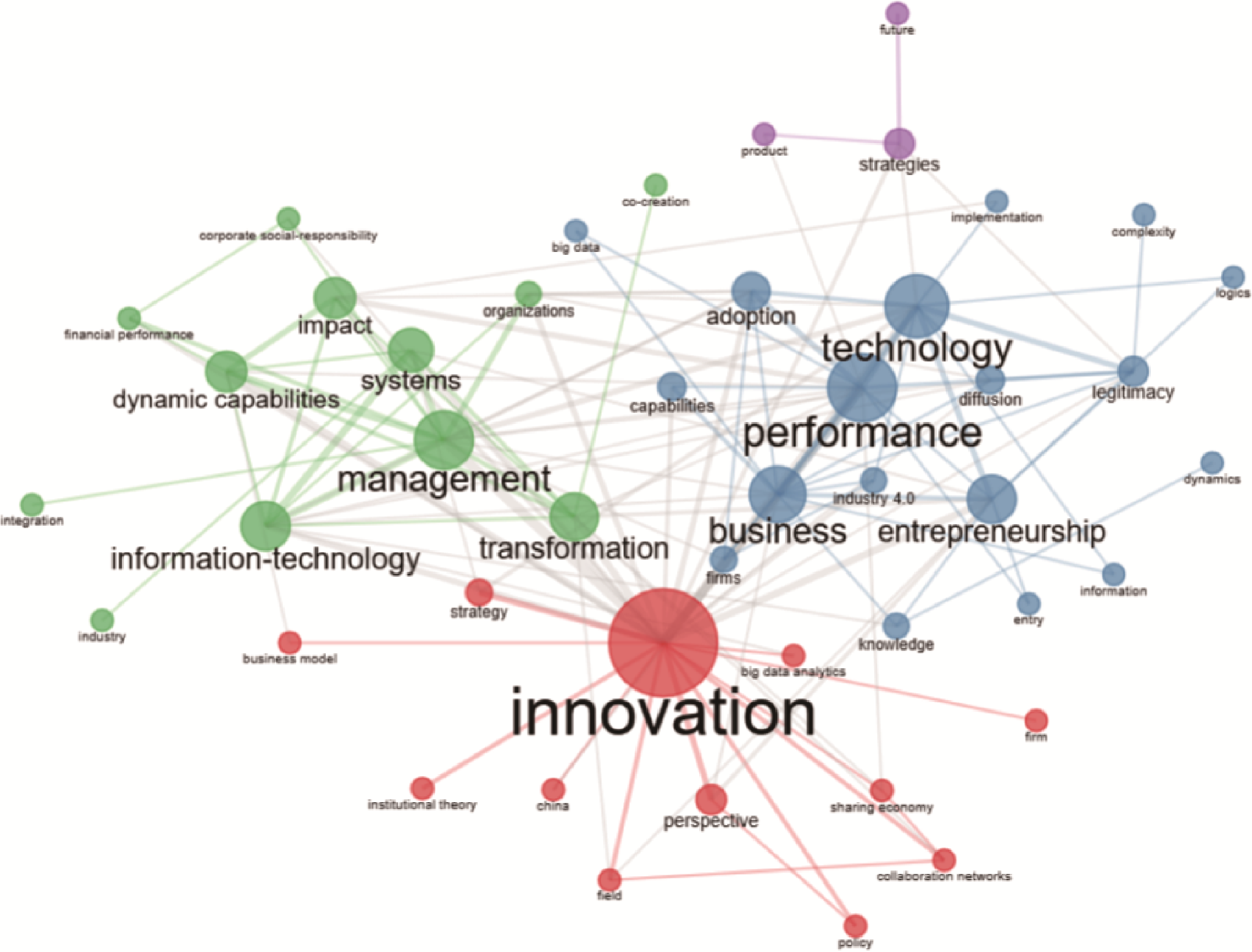
Figure 1 Keyword co-occurrence network map
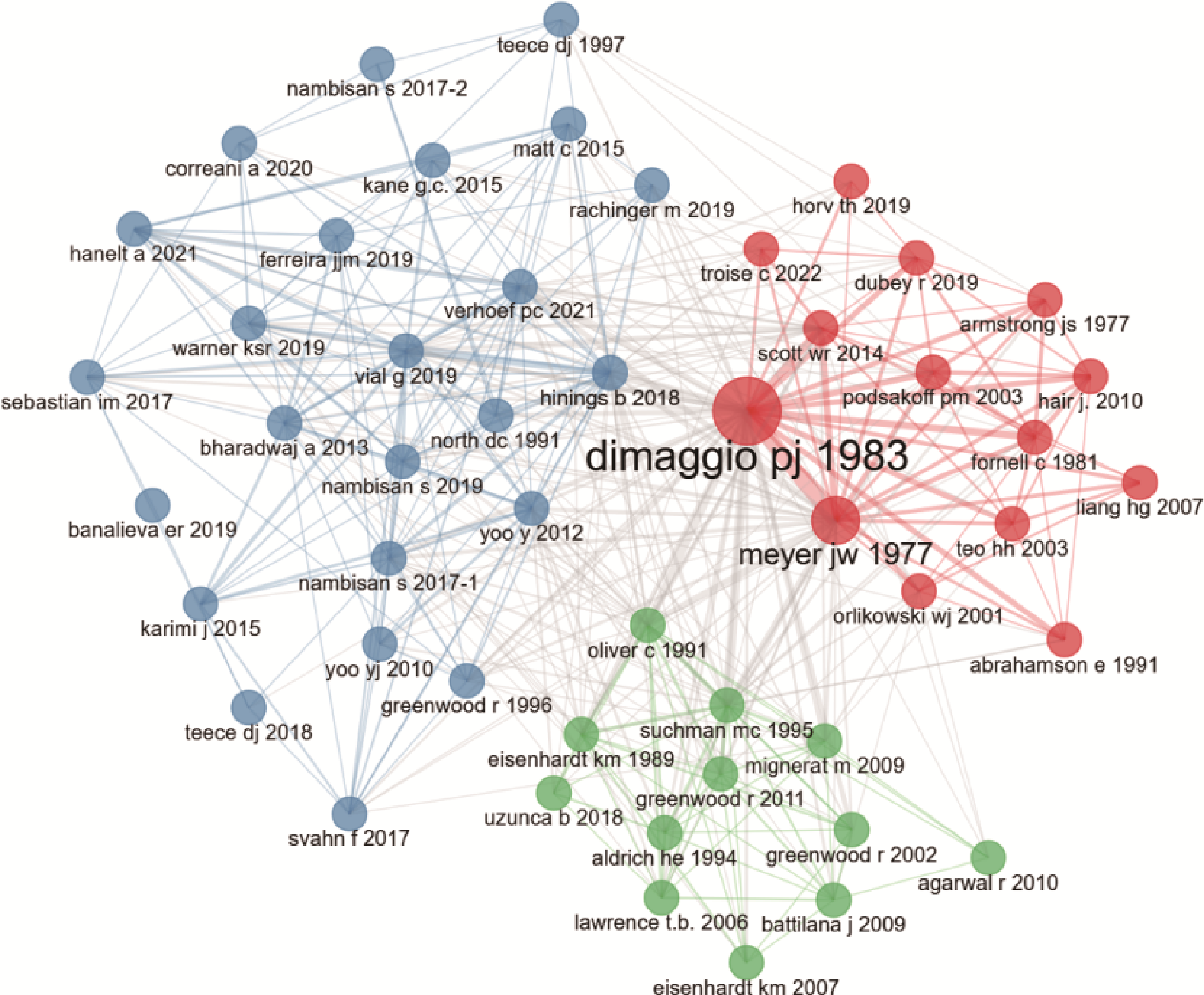
Figure 2 Literature co-citation network map
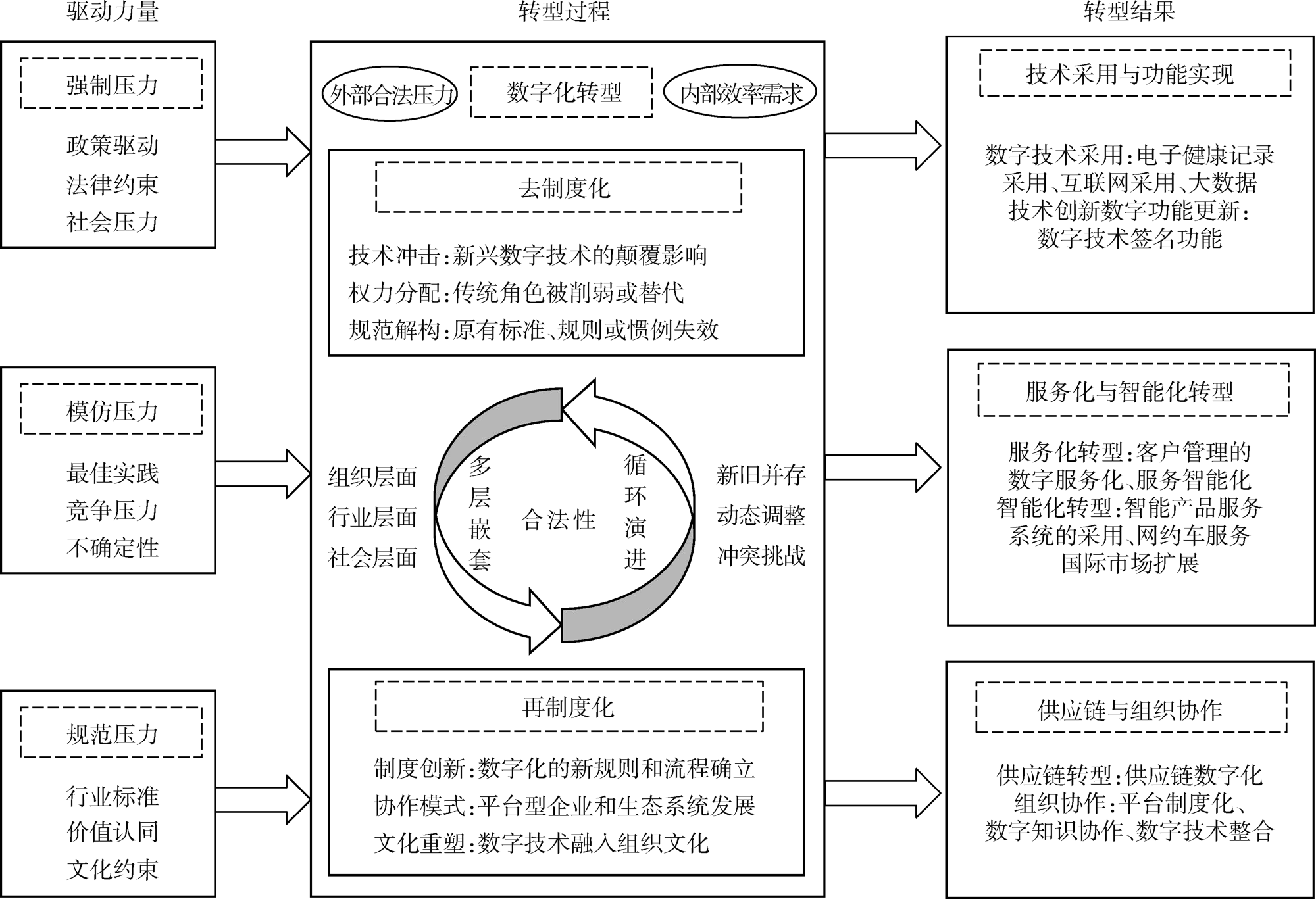
Figure 3 Analytical framework of digital transformation from an institutional perspective
| 研究 主题 | 代表性文献 | |||||||||
|---|---|---|---|---|---|---|---|---|---|---|
| 作者/年份 | 文献来源 | 研究 方法 | 研究问题 | 理论应用 | 研究发现 | |||||
| 驱动 力量 | Liu等, 2024[ | Technological Forecasting and Social Change | 案例 研究 | 探讨国有企业(中国移动和中国联通)数字化转型过程的关键因素,以及这些因素如何塑造转型路径。 | 基于制度理论,探究制度压力(尤其是强制压力和规范压力)影响国有企业数字化转型的机制。 | 制度压力、技术吸引和组织惯性共同影响国有企业的数字化转型过程。对于国有企业而言,制度压力的影响远大于技术吸引力。 | ||||
| Annosi等, 2021[ | Industrial Marketing Management | 案例 研究 | 如何通过数字化手段解决食物浪费问题。 | 基于制度理论,讨论数字技术在食品供应链中的采用和传播过程。 | 数字技术在提高供应链效率和减少食物浪费方面具有巨大潜力,而外部压力和制度环境是推动企业在食品供应链中采用数字技术实现转型的关键力量。 | |||||
| Cheah等, 2024[ | Mnternational Entrepreneurship and Management Journal | 案例 研究 | 文化因素如何影响网约车服务行业的国际市场扩展。 | 基于制度理论,揭示外部制度环境(文化因素)对数字平台生存与发展的影响。 | 消费者的文化背景显著影响了网约车服务的需求和接受度,忽视文化认知合法性会导致数字平台扩展服务失败。 | |||||
| 转型 过程 | Chen和Filieri, 2024[ | Technological Forecasting and Social Change | 案例 研究 | 探讨了小型组织(SMEs)在面对持续演变的技术时,如何在复杂的制度环境中进行技术采用和创新。 | 基于制度理论,分析制度力量的作用并提出三种战略响应策略。 | 制度力量在技术采用的各个阶段都发挥了重要作用,SMEs可以通过响应这些力量来重塑其创新地位。论文提出了三种战略响应(趋势重构、服务差异化和完全转型),帮助SMEs利用技术的跨越式发展来提升其创新地位。 | ||||
| Zimmer等, 2023[ | Journal of Strategic Information Systems | 案例 研究 | 探讨了数字工作场所转型(DWT)中的减法逻辑,即去制度化如何在DWT中展开。 | 基于制度理论,分析组织如何放弃与其数字转型目标冲突的工作场所惯例和技术的过程。 | 提出数字工作场所转型的过程模型,指出在数字化转型过程中,除了增加新技术外,还需要去除与转型目标冲突的现有技术和惯例,强调了去制度化在DWT中的重要性。 | |||||
| Prasetyo, 2024[ | Technology in Society | 案例 研究 | 研究了在印度尼西亚市场中,平台驱动型企业如何通过非正式经济活动推动数字化转型。 | 基于制度理论,分析平台驱动企业在新兴市场,特别是非正式经济环境中所面临的战略挑战和机遇。 | 提出四种平台驱动型企业与非正式经济活动的互动方式:服务标准化、社区重组、非员工共创和工具性协作,促进非正式经济活动的数字化转型。 | |||||
| Boon等, 2019[ | Industry and Innovation | 案例 研究 | 探究房屋共享平台Airbnb在数字化发展过程中的制度变革过程。 | 基于制度理论的制度工作概念,研究创新型平台的制度化过程。 | Airbnb主要通过创建新制度来实现其发展目标,用户和非用户承担了大部分制度工作活动。 | |||||
| 转型 结果 | Tiwari等, 2024[ | International Journal of Production Economics | 定量 研究 | 分析“黑天鹅”事件(如COVID-19大流行或苏伊士运河堵塞)对供应链数字化转型的影响。 | 基于制度理论和权变视角,研究制度力量和环境突发事件如何推动供应链的数字化进程。 | 外部冲击显著推动供应链数字化转型,促使企业加速数字化以提升韧性和效率。此外,制度力量、组织准备度和人员准备度是推动供应链数字化转型的关键驱动力。 | ||||
| Dahabiyeh和 Constantinides, 2022[ | Information and Organization | 案例 研究 | 探讨数字签名技术在电子商务行业中的合法化过程,分析数字技术的可利用性及其对制度基础设施的影响。 | 基于制度场域和制度基础设施概念,探讨新兴数字技术的合法化过程。 | 新兴数字技术通过挑战现有制度基础设施,产生新议题,组织成员协商解决新议题,最终通过立法使其成为标准,实现数字签名技术的广泛应用。 | |||||
| Ionescu等, 2022[ | Journal of Business Economics and Management | 定量 研究 | 探索企业数字化对企业可持续发展绩效的影响,以及企业数字技术整合的障碍和支持性制度框架。 | 基于制度理论,分析制度框架对企业数字技术整合的影响。 | 完善的制度框架能够有效提高企业数字化整合水平。法治、政府有效性和创业便利性是促进企业数字化整合的关键因素。 | |||||
| Kropp和 Totzek, 2020[ | Industrial Marketing Management | 定量 研究 | 在用户系统数字化转型背景下,分析制度压力和智能产品服务系统的系统特征如何影响B2B客户对智能产品服务系统的接受度。 | 基于制度理论,分析制度压力对用户数字化转型(智能产品服务系统采用)的影响。 | 规范压力对客户采用智能产品服务系统的意图有倒U形效应。即中等水平的规范压力,会显著推动客户采用智能产品服务系统。 | |||||
Table 1 Research subject coding of representative literature of digital transformation from institutional perspective
| 研究 主题 | 代表性文献 | |||||||||
|---|---|---|---|---|---|---|---|---|---|---|
| 作者/年份 | 文献来源 | 研究 方法 | 研究问题 | 理论应用 | 研究发现 | |||||
| 驱动 力量 | Liu等, 2024[ | Technological Forecasting and Social Change | 案例 研究 | 探讨国有企业(中国移动和中国联通)数字化转型过程的关键因素,以及这些因素如何塑造转型路径。 | 基于制度理论,探究制度压力(尤其是强制压力和规范压力)影响国有企业数字化转型的机制。 | 制度压力、技术吸引和组织惯性共同影响国有企业的数字化转型过程。对于国有企业而言,制度压力的影响远大于技术吸引力。 | ||||
| Annosi等, 2021[ | Industrial Marketing Management | 案例 研究 | 如何通过数字化手段解决食物浪费问题。 | 基于制度理论,讨论数字技术在食品供应链中的采用和传播过程。 | 数字技术在提高供应链效率和减少食物浪费方面具有巨大潜力,而外部压力和制度环境是推动企业在食品供应链中采用数字技术实现转型的关键力量。 | |||||
| Cheah等, 2024[ | Mnternational Entrepreneurship and Management Journal | 案例 研究 | 文化因素如何影响网约车服务行业的国际市场扩展。 | 基于制度理论,揭示外部制度环境(文化因素)对数字平台生存与发展的影响。 | 消费者的文化背景显著影响了网约车服务的需求和接受度,忽视文化认知合法性会导致数字平台扩展服务失败。 | |||||
| 转型 过程 | Chen和Filieri, 2024[ | Technological Forecasting and Social Change | 案例 研究 | 探讨了小型组织(SMEs)在面对持续演变的技术时,如何在复杂的制度环境中进行技术采用和创新。 | 基于制度理论,分析制度力量的作用并提出三种战略响应策略。 | 制度力量在技术采用的各个阶段都发挥了重要作用,SMEs可以通过响应这些力量来重塑其创新地位。论文提出了三种战略响应(趋势重构、服务差异化和完全转型),帮助SMEs利用技术的跨越式发展来提升其创新地位。 | ||||
| Zimmer等, 2023[ | Journal of Strategic Information Systems | 案例 研究 | 探讨了数字工作场所转型(DWT)中的减法逻辑,即去制度化如何在DWT中展开。 | 基于制度理论,分析组织如何放弃与其数字转型目标冲突的工作场所惯例和技术的过程。 | 提出数字工作场所转型的过程模型,指出在数字化转型过程中,除了增加新技术外,还需要去除与转型目标冲突的现有技术和惯例,强调了去制度化在DWT中的重要性。 | |||||
| Prasetyo, 2024[ | Technology in Society | 案例 研究 | 研究了在印度尼西亚市场中,平台驱动型企业如何通过非正式经济活动推动数字化转型。 | 基于制度理论,分析平台驱动企业在新兴市场,特别是非正式经济环境中所面临的战略挑战和机遇。 | 提出四种平台驱动型企业与非正式经济活动的互动方式:服务标准化、社区重组、非员工共创和工具性协作,促进非正式经济活动的数字化转型。 | |||||
| Boon等, 2019[ | Industry and Innovation | 案例 研究 | 探究房屋共享平台Airbnb在数字化发展过程中的制度变革过程。 | 基于制度理论的制度工作概念,研究创新型平台的制度化过程。 | Airbnb主要通过创建新制度来实现其发展目标,用户和非用户承担了大部分制度工作活动。 | |||||
| 转型 结果 | Tiwari等, 2024[ | International Journal of Production Economics | 定量 研究 | 分析“黑天鹅”事件(如COVID-19大流行或苏伊士运河堵塞)对供应链数字化转型的影响。 | 基于制度理论和权变视角,研究制度力量和环境突发事件如何推动供应链的数字化进程。 | 外部冲击显著推动供应链数字化转型,促使企业加速数字化以提升韧性和效率。此外,制度力量、组织准备度和人员准备度是推动供应链数字化转型的关键驱动力。 | ||||
| Dahabiyeh和 Constantinides, 2022[ | Information and Organization | 案例 研究 | 探讨数字签名技术在电子商务行业中的合法化过程,分析数字技术的可利用性及其对制度基础设施的影响。 | 基于制度场域和制度基础设施概念,探讨新兴数字技术的合法化过程。 | 新兴数字技术通过挑战现有制度基础设施,产生新议题,组织成员协商解决新议题,最终通过立法使其成为标准,实现数字签名技术的广泛应用。 | |||||
| Ionescu等, 2022[ | Journal of Business Economics and Management | 定量 研究 | 探索企业数字化对企业可持续发展绩效的影响,以及企业数字技术整合的障碍和支持性制度框架。 | 基于制度理论,分析制度框架对企业数字技术整合的影响。 | 完善的制度框架能够有效提高企业数字化整合水平。法治、政府有效性和创业便利性是促进企业数字化整合的关键因素。 | |||||
| Kropp和 Totzek, 2020[ | Industrial Marketing Management | 定量 研究 | 在用户系统数字化转型背景下,分析制度压力和智能产品服务系统的系统特征如何影响B2B客户对智能产品服务系统的接受度。 | 基于制度理论,分析制度压力对用户数字化转型(智能产品服务系统采用)的影响。 | 规范压力对客户采用智能产品服务系统的意图有倒U形效应。即中等水平的规范压力,会显著推动客户采用智能产品服务系统。 | |||||
| [1] | 宋铁波, 陈思彤, 王浩军. 行业协会嵌入对企业数字化转型的影响研究[J]. 管理学报, 2024, 21(9):1293-1301. |
| Song T B, Chen S T, Wang H J. Research on the impact of embeddedness of industry association on enterprise digital transformation[J]. Chinese Journal of Management, 2024, 21(9):1293-1301. | |
| [2] |
Hinings B, Gegenhuber T, Greenwood R. Digital innovation and transformation: An institutional perspective[J]. Information and Organization, 2018, 28(1): 52-61.
DOI URL |
| [3] |
Vial G. Understanding digital transformation: A review and a research agenda[J]. The Journal of Strategic Information Systems, 2019, 28(2):118-144.
DOI URL |
| [4] |
Tekic Z, Koroteev D. From disruptively digital to proudly analog: A holistic typology of digital transformation strategies[J]. Business Horizons, 2019, 62(6): 683-693.
DOI URL |
| [5] | 李晶, 曹钰华. 基于组态视角的制造企业数字化转型驱动模式研究[J]. 研究与发展管理, 2022, 34(3):106-122. |
| Li J, Cao Y H. Digital transformation driving model of manufacturing enterprises based on configuration perspective[J]. R&D Management, 2022, 34(3):106-122. | |
| [6] | 孙忠娟, 卢燃. 企业数字化转型的研究述评与展望[J]. 首都经济贸易大学学报, 2023, 25(6):93-108. |
| [7] |
DiMaggio P J, Powell W W. The iron cage revisited:Institutional isomorphism and collective rationality in organizational fields[J]. American Sociological Review, 1983, 48(2):147-160.
DOI URL |
| [8] |
Zimmer M P, Baiyere A, Salmela H. Digital workplace transformation: Subtraction logic as deinstitutionalising the taken-for-granted[J]. The Journal of Strategic Information Systems, 2023, 32(1): 101757.
DOI URL |
| [9] |
Meyer J W, Rowan B. Institutionalized organizations: Formal structure as myth and ceremony[J]. American Journal of Sociology, 1977, 83(2): 340-363.
DOI URL |
| [10] | Scott W R. Institutions and Organizations: Ideas, Interests, and Identities[M]. Stanford University, US: Sage Publications, 2014. |
| [11] |
Greenwood R, Hinings C R. Understanding radical organizational change: Bringing together the old and the new institutionalism[J]. Academy of Management Review, 1996, 21(4): 1022-1054.
DOI URL |
| [12] |
Currie W L, Swanson E B. Special issue on institutional theory in information systems research: Contextualizing the IT artefact[J]. Journal of Information Technology, 2009, 24(4): 283-285.
DOI URL |
| [13] |
Liu G, Liu J, Gao P, et al. Understanding mechanisms of digital transformation in state-owned enterprises in China: An institutional perspective[J]. Technological Forecasting and Social Change, 2024, 202: 123288.
DOI URL |
| [14] | 戚聿东, 杜博, 温馨. 国有企业数字化战略变革:使命嵌入与模式选择——基于3家中央企业数字化典型实践的案例研究[J]. 管理世界, 2021, 37(11):137-158,10. |
| Qi Y D, Du B, Wen X. Mission embeddedness and pattern selection of digital strategic transformation of SOEs: A case study based on the typical practice of digitalization in three central enterprises[J]. Journal of Management World, 2021, 37(11):137-158,10. | |
| [15] |
Chen X, Lu K. How does digital technology administrative penalty affect big data technology innovation: Evidence from China[J]. Humanities and Social Sciences Communications, 2024, 11(1): 1-13.
DOI |
| [16] |
Annosi M C, Brunetta F, Bimbo F, et al. Digitalization within food supply chains to prevent food waste: Drivers, barriers and collaboration practices[J]. Industrial Marketing Management, 2021, 93: 208-220.
DOI URL |
| [17] |
D'aunno T, Succi M, Alexander J A. The role of institutional and market forces in divergent organizational change[J]. Administrative Science Quarterly, 2000, 45(4): 679-703.
DOI URL |
| [18] |
Rijswijk K, de Vries J R, Klerkx L, et al. The enabling and constraining connections between trust and digitalisation in incumbent value chains[J]. Technological Forecasting and Social Change, 2023, 186: 122175.
DOI URL |
| [19] |
Cheah C W, Krajčík V, Koay K Y. Institutional entrepreneurs' roles in the international market expansions: Evidence from the ride-hailing platforms[J]. International Entrepreneurship and Management Journal, 2024, 20(2): 1377-1400.
DOI |
| [20] |
Markoff-Legrand A, Bocquet R, Gandia R. Multi-level neo-institutional analysis of pressures and tensions for adopting a digitally driven business model innovation: Responses from a French energy incumbent[J]. Technological Forecasting and Social Change, 2024, 205: 123458.
DOI URL |
| [21] |
Chen W, Filieri R. Institutional forces, leapfrogging effects, and innovation status: Evidence from the adoption of a continuously evolving technology in small organizations[J]. Technological Forecasting and Social Change, 2024, 206: 123529.
DOI URL |
| [22] | 余江, 孟庆时, 张越, 等. 数字创新:创新研究新视角的探索及启示[J]. 科学学研究, 2017, 35(7):1103-1111. |
| Yu J, Meng Q S, Zhang Y, et al. Digital innovation: Exploration and enlightenment of the new perspective of innovation research[J]. Studies in Science of Science, 2017, 35(7):1103-1111. | |
| [23] |
Sherer S A, Meyerhoefer C D, Peng L. Applying institutional theory to the adoption of electronic health records in the US[J]. Information & Management, 2016, 53(5): 570-580.
DOI URL |
| [24] |
Prasetyo E H. Digital platforms’ strategies in Indonesia: Navigating between technology and informal economy[J]. Technology in Society, 2024, 76: 102414.
DOI URL |
| [25] |
Yu Z, Liang Z, Xue L. A data-driven global innovation system approach and the rise of China’s artificial intelligence industry[J]. Regional Studies, 2022, 56(4): 619-629.
DOI URL |
| [26] |
Boon W P C, Spruit K, Frenken K. Collective institutional work: The case of Airbnb in Amsterdam, London and New York[J]. Industry and Innovation, 2019, 26(8): 898-919.
DOI URL |
| [27] | Ochinanwata C, Igwe P A, Radicic D. The institutional impact on the digital platform ecosystem and innovation[J]. International Journal of Entrepreneurial Behavior & Research, 2023, 30(2/3): 687-708. |
| [28] | Xing Z, Fang D, Wang J, et al. How does institutional theory illuminate the influence of the digital economy on R&D networks?[J]. European Journal of Innovation Management, 2024. DOI: 10.1108/ejim-11-2023-0958. |
| [29] | Jiang Z, Shi J, Liu Z. Industrial policy and digital transformation of the Chinese wind power sector: The role of financial constraint and resource bricolage[J]. International Journal of Emerging Markets, 2024, 19(5):1123-1145. |
| [30] |
Dahabiyeh L, Constantinides P. Legitimating digital technologies in industry exchange fields: The case of digital signatures[J]. Information and Organization, 2022, 32(1): 100392.
DOI URL |
| [31] |
Jiang M, Chen L, Blome C, et al. Digital technology adoption for modern slavery risk mitigation in supply chains: An institutional perspective[J]. Technological Forecasting and Social Change, 2023, 192: 122595.
DOI URL |
| [32] |
Ionescu A M, Clipa A M, Turnea E S, et al. The impact of innovation framework conditions on corporate digital technology integration: Institutions as facilitators for sustainable digital transformation[J]. Journal of Business Economics and Management, 2022, 23(5): 1037-1059.
DOI URL |
| [33] |
Kropp E, Totzek D. How institutional pressures and systems characteristics shape customer acceptance of smart product-service systems[J]. Industrial Marketing Management, 2020, 91: 468-482.
DOI URL |
| [34] |
Agnihotri A, Bhattacharya S, Yannopoulou N, et al. Foreign market entry modes for servitization under diverse macroenvironmental conditions: Taxonomy and propositions[J]. International Marketing Review, 2023, 40(4): 561-584.
DOI URL |
| [35] |
Chen Y, Zuo Z. Strategic responses of tourism companies to institutional pressures in smart servitization[J]. Journal of Hospitality and Tourism Management, 2024, 60: 208-216.
DOI URL |
| [36] |
Birkinshaw J. Too little, too late? How policymakers and regulators respond to the business model innovations of digital firms[J]. Academy of Management Perspectives, 2024, 38(3): 269-285.
DOI URL |
| [37] |
Tiwari S, Sharma P, Jha A K. Digitalization & Covid-19: An institutional-contingency theoretic analysis of supply chain digitalization[J]. International Journal of Production Economics, 2024, 267: 109063.
DOI URL |
| [1] | LI Jian-xuan, JIANG Jia-hao. Development trends of AI-enabled digital transformation in manufacturing [J]. Studies in Science of Science, 2026, 44(6): 1169-1177. |
| [2] | . Research on the Impact of "Decoupling" Policy on China's Intelligent Manufacturing [J]. Studies in Science of Science, 2024, 42(7): 1409-1418. |
| [3] | . Industrial Data Governance: Core Issues, Transformation Logic and Research Framework [J]. Studies in Science of Science, 2023, 41(12): 2216-2225. |
| [4] | . Stakeholders’ Environmental Orientation and Eco-innovation:the mediating role of Top Managers’ Environmental Awareness [J]. Studies in Science of Science, 2015, 33(7): 1109-1120. |
| [5] | . The Curvilinear Relationships between Multi-dimensional Managerial Social Network and Firm Capabilities: A Heterogeneity based Interpretation [J]. , 2013, (10): 1553-1563. |
| Viewed | ||||||
|
Full text |
|
|||||
|
Abstract |
|
|||||
