
Studies in Science of Science ›› 2026, Vol. 44 ›› Issue (10): 2230-2240.
• Frontiers and Opinions • Previous Articles
DUAN Pei-xin1( ), WANG Jia-yi1, MENG Wei2, LIU Wen-bin3
Received:2025-08-08
Revised:2025-10-10
Online:2026-10-15
Published:2026-10-10
段培新1(), 王佳艺1, 孟溦2, 刘文斌3
通讯作者:
孟溦(1970-),女,教授。
作者简介:段培新(1988-),女,副教授,E-mail:dpxin2010@126.com。基金资助:CLC Number:
DUAN Pei-xin, WANG Jia-yi, MENG Wei, LIU Wen-bin. Paths for enhancing the efficacy of scientific funds under organized scientific research: The configurational role of rigid support and elastic adaptation[J]. Studies in Science of Science, 2026, 44(10): 2230-2240.
段培新, 王佳艺, 孟溦, 刘文斌. 有组织科研下科学基金效能提升路径——刚性支撑与弹性匹配的组态作用[J]. 科学学研究, 2026, 44(10): 2230-2240.
Add to citation manager EndNote|Ris|BibTeX
URL: https://kxxyj.magtechjournal.com/kxxyj/EN/
https://kxxyj.magtechjournal.com/kxxyj/EN/Y2026/V44/I10/2230
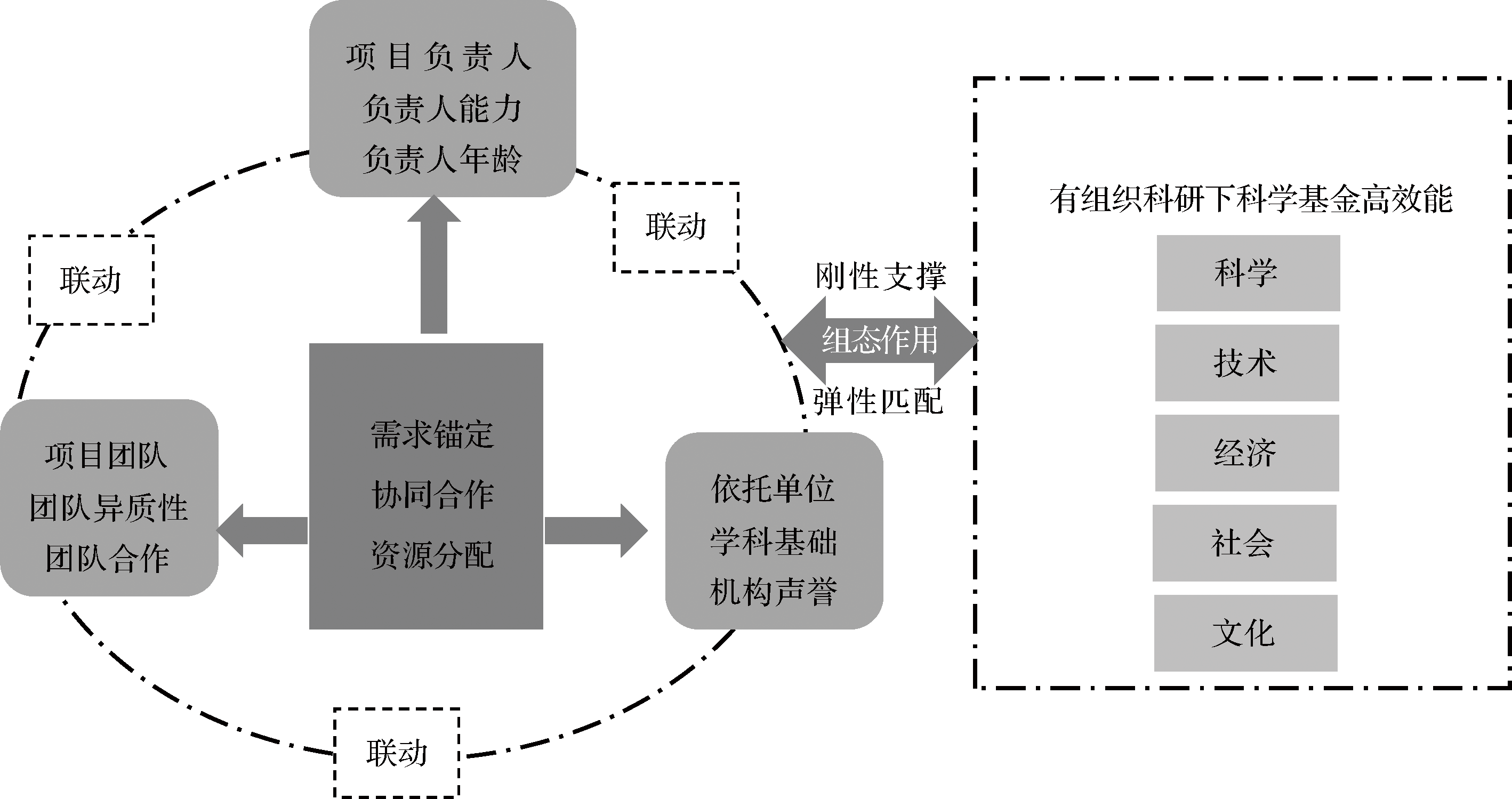
Figure 1 The configuration model of science foundation efficiency under organized research
| 类别 | 一级指标 | 二级指标 | 二级指标表征 |
|---|---|---|---|
| 投入 | 资金 | 项目资金 | 批准金额 |
| 人员 | 项目人员 | 团队规模 | |
| 产出 | 科学价值 | 论文成果 | 项目发表论文数量 |
| 人才培养 | 项目人才培养情况 | ||
| 学术发展 | 后续获得国家级项目 | ||
| 技术价值 | 技术创新 | 发明专利授权情况 | |
| 经济价值 | 成果转化 | 签订合同金额 | |
| 社会价值 | 基础研究 | 项目推动山东省基础与应用研究 | |
| 人才队伍建设 | 项目带动山东省高层次人才队伍建设 | ||
| 文化价值 | 促进科学知识普及 | 项目进行科普文化宣传工作 |
Table 1 Performance evaluation indicator system for the Shandong regional joint foundation
| 类别 | 一级指标 | 二级指标 | 二级指标表征 |
|---|---|---|---|
| 投入 | 资金 | 项目资金 | 批准金额 |
| 人员 | 项目人员 | 团队规模 | |
| 产出 | 科学价值 | 论文成果 | 项目发表论文数量 |
| 人才培养 | 项目人才培养情况 | ||
| 学术发展 | 后续获得国家级项目 | ||
| 技术价值 | 技术创新 | 发明专利授权情况 | |
| 经济价值 | 成果转化 | 签订合同金额 | |
| 社会价值 | 基础研究 | 项目推动山东省基础与应用研究 | |
| 人才队伍建设 | 项目带动山东省高层次人才队伍建设 | ||
| 文化价值 | 促进科学知识普及 | 项目进行科普文化宣传工作 |
| 集合 | 模糊集校准 | ||
|---|---|---|---|
| 完全隶属 | 交叉点 | 完全不隶属 | |
| 负责人能力 | 4.082 | 3.64 | 2.988 |
| 负责人年龄 | 40 | 49 | 58.2 |
| 团队异质性 | 0.66 | 0.56 | 0.32 |
| 团队合作 | 28 | 16 | 6 |
| 学科基础 | 12 | 3 | 0.001 |
| 机构声誉 | 1 | 1 | 0 |
| 山东区域联合基金效能 | 1 | 0.0051 | 0.0038 |
Table 2 Calibration results of variables
| 集合 | 模糊集校准 | ||
|---|---|---|---|
| 完全隶属 | 交叉点 | 完全不隶属 | |
| 负责人能力 | 4.082 | 3.64 | 2.988 |
| 负责人年龄 | 40 | 49 | 58.2 |
| 团队异质性 | 0.66 | 0.56 | 0.32 |
| 团队合作 | 28 | 16 | 6 |
| 学科基础 | 12 | 3 | 0.001 |
| 机构声誉 | 1 | 1 | 0 |
| 山东区域联合基金效能 | 1 | 0.0051 | 0.0038 |
| 集合 | 方法 | 精确度 | 上限区域 | 范围 | 效应量(d值) | P值 |
|---|---|---|---|---|---|---|
| 负责人能力 | CR | 100% | 0.000 | 0.94 | 0.000 | 1.000 |
| CE | 100% | 0.000 | 0.94 | 0.000 | 1.000 | |
| 负责人年龄 | CR | 100% | 0.000 | 0.91 | 0.000 | 1.000 |
| CE | 100% | 0.000 | 0.91 | 0.000 | 1.000 | |
| 团队异质性 | CR | 100% | 0.000 | 0.93 | 0.000 | 1.000 |
| CE | 100% | 0.000 | 0.93 | 0.000 | 1.000 | |
| 团队合作 | CR | 93.2% | 0.064 | 0.93 | 0.069 | 0.014 |
| CE | 100% | 0.090 | 0.93 | 0.097 | 0.011 | |
| 学科基础 | CR | 100% | 0.000 | 0.89 | 0.018 | 0.031 |
| CE | 100% | 0.000 | 0.89 | 0.018 | 0.031 | |
| 机构声誉 | CR | 100% | 0.016 | 0.94 | 0.000 | 1.000 |
| CE | 100% | 0.031 | 0.94 | 0.000 | 1.000 |
Table 3 Analysis of the necessity of NCA for individual conditions
| 集合 | 方法 | 精确度 | 上限区域 | 范围 | 效应量(d值) | P值 |
|---|---|---|---|---|---|---|
| 负责人能力 | CR | 100% | 0.000 | 0.94 | 0.000 | 1.000 |
| CE | 100% | 0.000 | 0.94 | 0.000 | 1.000 | |
| 负责人年龄 | CR | 100% | 0.000 | 0.91 | 0.000 | 1.000 |
| CE | 100% | 0.000 | 0.91 | 0.000 | 1.000 | |
| 团队异质性 | CR | 100% | 0.000 | 0.93 | 0.000 | 1.000 |
| CE | 100% | 0.000 | 0.93 | 0.000 | 1.000 | |
| 团队合作 | CR | 93.2% | 0.064 | 0.93 | 0.069 | 0.014 |
| CE | 100% | 0.090 | 0.93 | 0.097 | 0.011 | |
| 学科基础 | CR | 100% | 0.000 | 0.89 | 0.018 | 0.031 |
| CE | 100% | 0.000 | 0.89 | 0.018 | 0.031 | |
| 机构声誉 | CR | 100% | 0.016 | 0.94 | 0.000 | 1.000 |
| CE | 100% | 0.031 | 0.94 | 0.000 | 1.000 |
| 负责人能力 | 负责人年龄 | 团队异质性 | 团队合作 | 学科建设 | 机构声誉 | |
|---|---|---|---|---|---|---|
| 0 | NN | NN | NN | NN | NN | NN |
| 10 | NN | NN | NN | NN | NN | NN |
| 20 | NN | NN | NN | NN | NN | NN |
| 30 | NN | 1.0 | NN | NN | NN | NN |
| 40 | NN | 2.3 | NN | 1.5 | NN | NN |
| 50 | NN | 3.6 | NN | 4.2 | NN | NN |
| 60 | NN | 4.8 | NN | 6.9 | 1.2 | NN |
| 70 | NN | 6.1 | NN | 9.6 | 2.8 | NN |
| 80 | NN | 7.4 | NN | 12.3 | 4.3 | NN |
| 90 | NN | 8.7 | NN | 15..0 | 5.8 | NN |
| 100 | NN | 10.0 | NN | 17.7 | 7.4 | NN |
Table 4 Analysis of NCA necessity bottleneck level (%)
| 负责人能力 | 负责人年龄 | 团队异质性 | 团队合作 | 学科建设 | 机构声誉 | |
|---|---|---|---|---|---|---|
| 0 | NN | NN | NN | NN | NN | NN |
| 10 | NN | NN | NN | NN | NN | NN |
| 20 | NN | NN | NN | NN | NN | NN |
| 30 | NN | 1.0 | NN | NN | NN | NN |
| 40 | NN | 2.3 | NN | 1.5 | NN | NN |
| 50 | NN | 3.6 | NN | 4.2 | NN | NN |
| 60 | NN | 4.8 | NN | 6.9 | 1.2 | NN |
| 70 | NN | 6.1 | NN | 9.6 | 2.8 | NN |
| 80 | NN | 7.4 | NN | 12.3 | 4.3 | NN |
| 90 | NN | 8.7 | NN | 15..0 | 5.8 | NN |
| 100 | NN | 10.0 | NN | 17.7 | 7.4 | NN |
| 前因条件 | 山东区域联合基金项目高效能 | 山东区域联合基金项目非高效能 | ||
|---|---|---|---|---|
| 一致性 | 覆盖度 | 一致性 | 覆盖度 | |
| 负责人能力 | 0.64 | 0.57 | 0.62 | 0.7 |
| ~负责人能力 | 0.66 | 0.58 | 0.62 | 0.69 |
| 负责人年龄 | 0.69 | 0.59 | 0.58 | 0.62 |
| ~负责人年龄 | 0.55 | 0.51 | 0.62 | 0.72 |
| 团队异质性 | 0.65 | 0.53 | 0.67 | 0.7 |
| ~团队异质性 | 0.63 | 0.6 | 0.55 | 0.67 |
| 团队合作 | 0.75 | 0.68 | 0.53 | 0.6 |
| ~团队合作 | 0.55 | 0.48 | 0.71 | 0.78 |
| 学科基础 | 0.71 | 0.7 | 0.50 | 0.62 |
| ~学科基础 | 0.61 | 0.49 | 0.75 | 0.77 |
| 机构声誉 | 0.76 | 0.41 | 0.86 | 0.59 |
| ~机构声誉 | 0.24 | 0.57 | 0.14 | 0.43 |
Table 5 fsQCA single condition necessity analysis results
| 前因条件 | 山东区域联合基金项目高效能 | 山东区域联合基金项目非高效能 | ||
|---|---|---|---|---|
| 一致性 | 覆盖度 | 一致性 | 覆盖度 | |
| 负责人能力 | 0.64 | 0.57 | 0.62 | 0.7 |
| ~负责人能力 | 0.66 | 0.58 | 0.62 | 0.69 |
| 负责人年龄 | 0.69 | 0.59 | 0.58 | 0.62 |
| ~负责人年龄 | 0.55 | 0.51 | 0.62 | 0.72 |
| 团队异质性 | 0.65 | 0.53 | 0.67 | 0.7 |
| ~团队异质性 | 0.63 | 0.6 | 0.55 | 0.67 |
| 团队合作 | 0.75 | 0.68 | 0.53 | 0.6 |
| ~团队合作 | 0.55 | 0.48 | 0.71 | 0.78 |
| 学科基础 | 0.71 | 0.7 | 0.50 | 0.62 |
| ~学科基础 | 0.61 | 0.49 | 0.75 | 0.77 |
| 机构声誉 | 0.76 | 0.41 | 0.86 | 0.59 |
| ~机构声誉 | 0.24 | 0.57 | 0.14 | 0.43 |
| 条件 | 组态 | |||
|---|---|---|---|---|
| 资源牵引-青年领军型 | 政产学研-协同攻坚型 | 学科支撑-团队成长型 | ||
| S1a | S1b | S2 | S4 | |
| 负责人能力 | ● | ● | ⊕ | |
| 负责人年龄 | ● | ● | ⊕ | • |
| 团队异质性 | ⊕ | • | ⊕ | |
| 团队合作 | ⊕ | • | ● | ● |
| 学科基础 | ● | ● | ● | ● |
| 机构声誉 | • | ⊕ | • | • |
| 一致性 | 0.8177 | 0.840 | 0.8086 | 0.8428 |
| 原始覆盖度 | 0.2357 | 0.093 | 0.2284 | 0.2100 |
| 唯一覆盖度 | 0.0215 | 0.093 | 0.021 | 0.0806 |
| 总一致性 | 0.8145 | |||
| 总覆盖度 | 0.554 | |||
Table 6 Efficient configuration of Shandong regional joint foundation
| 条件 | 组态 | |||
|---|---|---|---|---|
| 资源牵引-青年领军型 | 政产学研-协同攻坚型 | 学科支撑-团队成长型 | ||
| S1a | S1b | S2 | S4 | |
| 负责人能力 | ● | ● | ⊕ | |
| 负责人年龄 | ● | ● | ⊕ | • |
| 团队异质性 | ⊕ | • | ⊕ | |
| 团队合作 | ⊕ | • | ● | ● |
| 学科基础 | ● | ● | ● | ● |
| 机构声誉 | • | ⊕ | • | • |
| 一致性 | 0.8177 | 0.840 | 0.8086 | 0.8428 |
| 原始覆盖度 | 0.2357 | 0.093 | 0.2284 | 0.2100 |
| 唯一覆盖度 | 0.0215 | 0.093 | 0.021 | 0.0806 |
| 总一致性 | 0.8145 | |||
| 总覆盖度 | 0.554 | |||
| 条件 | 组态 | ||||
|---|---|---|---|---|---|
| S1 | S2 | S3 | S4 | S5 | |
| 负责人能力 | ● | ⊕ | ● | ⊕ | |
| 负责人年龄 | ● | ⊕ | ● | ● | ● |
| 团队异质性 | ● | ● | ⊕ | ⊕ | |
| 团队合作 | ⊕ | ● | ● | ● | ● |
| 学科基础 | ● | ● | ⊕ | ● | ● |
| 机构声誉 | ● | ● | ● | ⊕ | ● |
| 一致性 | 0.8162 | 0.8003 | 0.789 | 0.8198 | 0.8426 |
| 原始覆盖度 | 0.2439 | 0.2262 | 0.191 | 0.0925 | 0.2158 |
| 唯一覆盖度 | 0.0211 | 0.018 | 0.053 | 0.0926 | 0.0691 |
| 总一致性 | 0.7943 | ||||
| 总覆盖度 | 0.6214 | ||||
Table 7 Configure the result after adjusting the threshold
| 条件 | 组态 | ||||
|---|---|---|---|---|---|
| S1 | S2 | S3 | S4 | S5 | |
| 负责人能力 | ● | ⊕ | ● | ⊕ | |
| 负责人年龄 | ● | ⊕ | ● | ● | ● |
| 团队异质性 | ● | ● | ⊕ | ⊕ | |
| 团队合作 | ⊕ | ● | ● | ● | ● |
| 学科基础 | ● | ● | ⊕ | ● | ● |
| 机构声誉 | ● | ● | ● | ⊕ | ● |
| 一致性 | 0.8162 | 0.8003 | 0.789 | 0.8198 | 0.8426 |
| 原始覆盖度 | 0.2439 | 0.2262 | 0.191 | 0.0925 | 0.2158 |
| 唯一覆盖度 | 0.0211 | 0.018 | 0.053 | 0.0926 | 0.0691 |
| 总一致性 | 0.7943 | ||||
| 总覆盖度 | 0.6214 | ||||
| [1] | 武圣博, 杨沁杰, 曹聪. 有组织科研-历史演进与理论逻辑[J]. 科学学研究, 2025, 43(12):2513-2523. |
| Wu S B, Yang Q J, Cao C. Organized research: historical evolution and theoretical logic[J]. Studies in Science of Science, 2025, 43(12):2513-2523. | |
| [2] | 潘教峰, 鲁晓, 王光辉. 科学研究模式变迁:有组织的基础研究[J]. 中国科学院院刊, 2021, 36(12):1395-1403. |
| Pan J F, Lu X, Wang G H. Changes in scientific research models: Organized basic research[J]. Bulletin of the Chinese Academy of Sciences, 2021, 36(12): 1395-1403. | |
| [3] | 赵宏媚, 赵文华, 姚建建. 高校有组织科研核心要素响应机制研究[J]. 科学学研究, 2024, 42(10):2130-2137. |
| Zhao H M, Zhao W H, Yao J J. Research on the core elements and response mechanism of organized research in universities[J]. Studies in Science of Science, 2024, 42(10):2130-2137. | |
| [4] | 武晨箫, 李正风, 黄璐, 等. 政府资助引导基础研究多元投入的内在逻辑与未来挑战--基于联合基金的案例分析[J]. 中国软科学, 2022(12):13-22. |
| Wu C X, Li Z F, Huang L, et al. Internal logic and future challenges of government funding in guiding diversified investment in basic research: A case study based on the joint fund[J]. China Soft Science, 2022(12):13-22. | |
| [5] | 汪琛, 武晨箫, 李正风. 新时期联合基金项目统筹管理优化研究--基于多元主体交互网络分析的视角[J]. 中国科技论坛, 2025(7):36-44. |
| Wang C, Wu C X, Li Z F. Optimization of coordinated management of the joint funds in the new era: From the perspective of the network analysis of multiple actors' interactions[J]. Forum on Science and Technology in China, 2025(7):36-44. | |
| [6] | 刘俊婉, 黄晨晨, 潘云涛, 等. 项目负责人视角下的跨学科科研团队绩效影响因素组态分析[J]. 情报工程, 2022, 8 (6): 66-77. |
| Liu J W, Huang C C, Pan Y T, et al. Research on the configuration of influencing factors of the interdisciplinary research team performance from the perspective of project leader[J]. Technology Intelligence Engineering, 2022, 8 (6): 66-77. | |
| [7] | 王颖婕, 柳卸林, 王雪璐, 等. 科研项目学术价值评价及影响因素研究[J]. 科学学研究, 2020, 38 (3): 409-417. |
| Wang Y J, Liu X L, Wang X L, et al. Research on academic value assessment and influencing factors of scientific research projects[J]. Studies in Science of Science, 2020, 38 (3): 409-417. | |
| [8] | 章磊, 阎波, 刘佳. 科研项目高绩效路径选择:团队多样化抑或行为整合?--基于NSFC项目的实证研究[J]. 管理评论, 2021, 33 (9): 110-118. |
| Zhang L, Yan B, Liu J. The path selection of scientific research project high performance: Team diversity or behavior integration? -An empirical study on NSFC general project [J]. Management Review, 2021, 33 (9): 110-118. | |
| [9] | Public funding and the ascent of Chinese science: Evidence from the national natural science foundation of China[J]. Research Policy, 2020, 49 (103983). |
| [10] | 段培新, 王凯凯, 孟溦, 等. 经费规模与科研产出--基于NSFC资助政策“净效应”的分析[J]. 科研管理, 2022, 43 (5): 94-103. |
| Duan P X, Wang K K, Meng W, et al. Funding scale and scientific research output-an analysis based on the "net effect" of NSFC funding policy[J]. Science Research Management, 2022, 43 (5): 94-103. | |
| [11] |
Zhu N, Liu C, Yang Z. Team size, research variety, and research performance: Do coauthors’ coauthors matter?[J]. Journal of Informetrics, 2021, 15(4):101205.
DOI URL |
| [12] | 李强, 赵延东, 何光喜. 对科研人员的时间投入与论文产出的实证分析[J]. 科学学研究, 2014, 32(7):1044-1051. |
| Li Q, Zhao Y D, He G X. Researcher time allocations and research productivity: An empirical analysis[J]. Studies in Science of Science, 2014, 32(7):1044-1051. | |
| [13] |
田人合, 郑军卫, 张志强, 等. 科技人力资本视角下杰青科学家资助年龄对资助效果的影响--以杰青基金地球科学项目为例[J]. 图书情报工作, 2019, 63 (22): 91-105.
DOI |
| Tian R H, Zheng J W, Zhang Z Q, et al. Influence of the funding age of young scholars on the funding effect from the perspective of human capital of science and technology: The empirical research based on distinguished young scholars' fund in earth science projects[J]. Library and Intelligence Work, 2019, 63 (22): 91-105. | |
| [14] |
Tebes J K, Thai N D. Interdisciplinary team science and the public: Steps toward a participatory team science[J]. American Psychologist, 2018, 73(4):549-562.
DOI PMID |
| [15] |
Wang J, Hicks D. Scientific teams: Self-assembly, fluidness, and interdependence[J]. Journal of Informetrics, 2015, 9(1):197-207.
DOI URL |
| [16] | 李艳, 刘荣三, 马琳, 等. 社会资本视角下高校教师团队科研产出研究——基于网络爬虫数据的分析[J]. 科学学研究, 2024, 10(9):1-19. |
| Li Y, Liu R S, Ma L, et al. Study on the research outputs of university faculty teams from the social capital perspective: An analysis based on web crawler data[J]. Studies in Science of Science, 2024, 10(9):1-19. | |
| [17] | 姚志臻, 荣国阳, 黄晓明, 等. 科学基金团队合作流程模式对项目绩效的影响研究[J]. 情报学报, 2025, 44(2):171-184. |
| Yao Z Z, Rong G Y, Huang X M, et al. The influence of scientific collaboration process patterns on performance in funding project teams[J]. Journal of the China Society for Scientific and Technical Information, 2025, 44(2): 171-184. | |
| [18] | 马亮, 吴建南, 时仲毅. 科研项目绩效的影响因素:医学科学基金面上项目的实证分析[J]. 科学学与科学技术管理, 2012, 33(7):12-20. |
| Ma L, Wu J N, Shi Z Y. Factors influencing the performance of scientific research projects: An empirical analysis of the top-level projects of the medical science foundation[J]. Science and Technology Management, 2012, 33 (7): 12-20 | |
| [19] | 吴建南, 章磊, 阎波. 不同依托单位支持程度下科学基金资助与项目绩效关系研究[J]. 研究与发展管理, 2011, 23 (1): 104-110. |
| Wu J N, Zhang L, Yan B. Determinants of science project performance: An empirical analysis of general programs of the DHS in NSFC[J]. Science of Science and Management of S.& T., 2011, 23 (1): 104-110. | |
| [20] | 杜运周, 贾良定. 组态视角与定性比较分析(QCA):管理学研究的一条新道路[J]. 管理世界, 2017(6):155-167. |
| Du Y Z, Jia L D. Configurational perspective and qualitative comparative analysis (QCA): A new avenue for management research[J]. Journal of Management World, 2017(6):155-167. | |
| [21] |
Dul J, Erwin V D L, Roelof K. A statistical significance test for necessary condition analysis[J]. Organizational Research Methods, 2020, 23(2):385-395.
DOI URL |
| [22] | 唐波. NSFC-山东联合基金实施成效分析及思考[J]. 中国科学基金, 2021, 35(S1): 80-85. |
| Tang B. The effectiveness analysis and insights of the NSFC-Shandong joint funds achievements[J]. Bulletin of National Natural Science Foundation of China, 2021, 35(S1):80-85. | |
| [23] |
Wu L, Wang D, Evans J A. Large teams develop and small teams disrupt science and technology[J]. Nature, 2019, 566(7744): 378-382.
DOI |
| [24] | 杜运周, 刘秋辰, 程建青. 什么样的营商环境生态产生城市高创业活跃度--基于制度组态的分析[J]. 管理世界, 2020, 36(9): 141-155. |
| Du Y Z, Liu Q C, Cheng J Q. What kind of business environment ecology generates high entrepreneurial activity in cities: An analysis based on institutional configuration[J]. Journal of Management World, 2020, 36 (9): 141-155. | |
| [25] | 杜运周, 刘秋辰, 陈凯薇, 等. 营商环境生态、全要素生产率与城市高质量发展的多元模式--基于复杂系统观的组态分析[J]. 管理世界, 2022, 38(9): 127-145. |
| Du Y Z, Liu Q C, Chen K W, et al. Business environment ecosystem, total factor productivity, and diverse patterns of urban high-quality development: A configurational analysis based on a complex systems perspective[J]. Journal of Management World, 2022, 38 (9): 127-145. | |
| [26] |
Fiss P C. Building better causal theories: A fuzzy set approach to typologies in organization research[J]. Academy of Management Journal, 2011, 54(2):393-420.
DOI URL |
| Viewed | ||||||
|
Full text |
|
|||||
|
Abstract |
|
|||||
