
Studies in Science of Science ›› 2026, Vol. 44 ›› Issue (10): 2017-2027.
• Hot Issues • Next Articles
LI Yuan1, LI Ping2,3, XU Ya-nan1( )
)
Received:2025-08-05
Revised:2025-10-25
Online:2026-10-15
Published:2026-10-10
李垣1, 李平2,3, 许雅楠1()
通讯作者:
许雅楠(2000-),女,博士研究生, E-mail:作者简介:李垣(1961-),男,教授、博士生导师。基金资助:CLC Number:
LI Yuan, LI Ping, XU Ya-nan. Coordinating paradox: Strategic choices in artificial intelligence “functionality-safety” framework[J]. Studies in Science of Science, 2026, 44(10): 2017-2027.
李垣, 李平, 许雅楠. 协调悖论:人工智能“智能-安全”的战略选择[J]. 科学学研究, 2026, 44(10): 2017-2027.
Add to citation manager EndNote|Ris|BibTeX
URL: https://kxxyj.magtechjournal.com/kxxyj/EN/
https://kxxyj.magtechjournal.com/kxxyj/EN/Y2026/V44/I10/2017
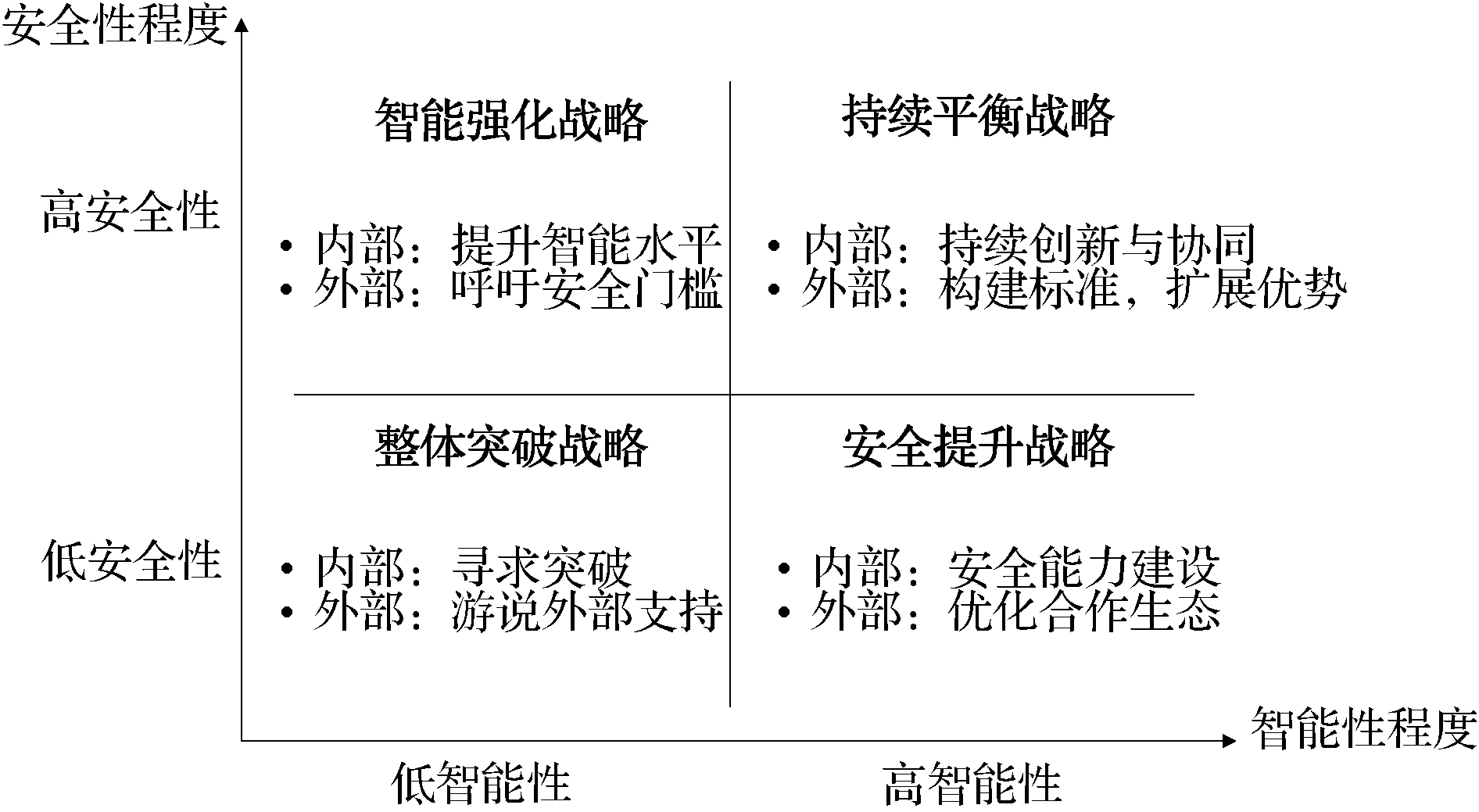
Figure 1 “Functionality-safety” framework strategy design
| 状态组合 | 低智能-低安全 | 低智能-高安全 | 高智能-低安全 | 高智能-高安全 | |
|---|---|---|---|---|---|
| 对应战略 | 整体突破 | 智能强化 | 安全提升 | 持续平衡 | |
| 能力建设 | 内部 | 寻求突破 | 提升智能水平 | 安全能力建设 | 持续创新协同 |
| 外部 | 游说外部支持 | 呼吁安全门槛 | 优化合作生态 | 构建标准与扩展优势 | |
| 绩效影响 | 负向 | U型 | 倒U型 | 正向 | |
| 理论假说 | 1a, 1b, 1c | 2a, 2b, 2c, 2d | 3a, 3b, 3c, 3d | 4a,4b,4c | |
Table 1 AI “functionality-safety” framework
| 状态组合 | 低智能-低安全 | 低智能-高安全 | 高智能-低安全 | 高智能-高安全 | |
|---|---|---|---|---|---|
| 对应战略 | 整体突破 | 智能强化 | 安全提升 | 持续平衡 | |
| 能力建设 | 内部 | 寻求突破 | 提升智能水平 | 安全能力建设 | 持续创新协同 |
| 外部 | 游说外部支持 | 呼吁安全门槛 | 优化合作生态 | 构建标准与扩展优势 | |
| 绩效影响 | 负向 | U型 | 倒U型 | 正向 | |
| 理论假说 | 1a, 1b, 1c | 2a, 2b, 2c, 2d | 3a, 3b, 3c, 3d | 4a,4b,4c | |
| [1] | 王国燕. 欺骗性人工智能:技术拟真性的风险谱系[J]. 科学学研究, 2026, 44(5):921-930. |
| Wang G Y. Deceptive AI: The risk spectrum of technical realism[J]. Studies in Science of Science, 2026, 44(5):921-930. | |
| [2] | 孙丽文, 李少帅. 风险情景下人工智能技术信任机制建构与解析[J]. 中国科技论坛, 2022: 150-160. |
| Sun L W, Li S S. Construction and analysis of artificial intelligence technology trust mechanism under risk scenarios[J]. Forum on Science and Technology in China. 2022: 150-160. | |
| [3] | 陈燕萍, 邵云飞, 黄乐仪. 人工智能能力对企业突破性技术创新的影响[J]. 技术经济, 2025, 44(6): 28-39. |
| Chen Y P, Shao Y F, Huang L Y. The impact of artificial intelligence capabilities on breakthrough technological innovation in enterprises[J]. Journal of Technology Economics, 2025, 44(6): 28-39. | |
| [4] | 文雯, 肖瑶, 牛煜皓. 人工智能技术水平与企业投资效率[J]. 经济管理, 2025, 47(6):103-122. |
| Wen X, Xiao Y, Niu Y H. Artificial intelligence technology level and corporate investment efficiency[J]. Business and Management Journal, 2025, 47(6):103-122 | |
| [5] | 陈衍泰, 衡予婧. 人工智能与企业竞争优势:研究进展、理论框架与未来展望[J]. 研究与发展管理, 2025, 37(3):53-66. |
| Chen Y T, Heng Y J. Artificial intelligence and enterprises’ competitive advantage: Research progress, theoretical framework, and future prospects[J]. R&D Management, 2025, 37(3):53-66. | |
| [6] | 林伟. 人工智能数据安全风险及应对[J]. 情报杂志, 2022, 41(10): 105-111,88. |
| Lin W. Artificial intelligence data security risks and countermeasures[J]. Journal of Intelligence, 2022, 41(10): 105-111,88. | |
| [7] | 孙那, 鲍一鸣. 生成式人工智能的科技安全风险与防范[J]. 陕西师范大学学报(哲学社会科学版), 2024, 53(1):108-121. |
| Sun N, Bao, Y M. Technological security risk and prevention of generative artificial intelligence[J]. Journal of Shaanxi Normal University (Philosophy and Social Sciences Edition), 2024, 53(1):108-121. | |
| [8] | 顾男飞. 善治促善智:人工智能异化的可信治理[J]. 科学学研究, 2025, 43(12):2465-2472. |
| Gu N F. Good governance for good intelligence: Credible governance of artificial intelligence alienation[J]. Studies in Science of Science, 2025, 43(12):2465-2472. | |
| [9] |
Raisch S, Krakowski S. Artificial intelligence and management: The automation-augmentation paradox[J]. Academy of Management Review, 2021, 46(1): 192-210.
DOI URL |
| [10] |
Vanneste B S, Puranam P. Artificial intelligence, trust, and perceptions of agency[J]. Academy of Management Review, 2025, 50:726-744.
DOI URL |
| [11] |
Du S, Xie C. Paradoxes of artificial intelligence in consumer markets: Ethical challenges and opportunities[J]. Journal of Business Research, 2021, 129: 961-974.
DOI URL |
| [12] | 束超慧, 王海军, 金姝彤, 等. 人工智能赋能企业颠覆性创新的路径分析[J]. 科学学研究, 2022, 40(10):1884-1894. |
| Shu C H, Wang H J, Jin S T, et al. Analysis on the path of disruptive innovation enabled by artificial intelligence[J]. Studies in Science of Science, 2022, 40(10):1884-1894. | |
| [13] | 杨祎, 刘嫣然, 李垣. 替代或互补:人工智能应用管理对创新的影响[J]. 科研管理, 2021, 42(4):46-54. |
| Substitution or complementation: The impact of AI application and management on innovation[J]. Science Research Management, 2021, 42(4):46-54. | |
| [14] | 赵剑波, 刘钊. 人工智能渗透率对企业创新效率的影响研究[J]. 经济学动态, 2025(5): 55-69. |
| [15] | 唐露源, 徐源. 中国生成式人工智能产业高效率发展路径研究--基于TOE框架的组态分析[J]. 科学学研究, 2026, 44(3):471-481. |
| Tang L Y, Xu Y. Research on the path of efficient development of China’s generative artificial intelligence industry-Configuration analysis based on TOE framework[J]. Studies in Science of Science, 2026, 44(3):471-481. | |
| [16] |
Babina T, Fedyk A, He A, et al. Artificial intelligence, firm growth, and product innovation[J]. Journal of Financial Economics, 2024, 151: 103745.
DOI URL |
| [17] | 童云峰. 生成式人工智能技术风险的内部管理型规制[J]. 科学学研究, 2024, 42(10):2038-2046. |
| Tong Y F. Internal management regulation of generative artificial intelligence technology risk[J]. Studies in Science of Science, 2024, 42(10):2038-2046. | |
| [18] | 孙晓宇, 夏保华. 智能化背景下隐私政策的困境及消解路径[J]. 科学学研究, 2026, 44(3):652-660,672. |
| Sun X Y, Xia B H. Dilemma and resolution approaches of privacy policy in the context of intelligentization[J]. Studies in Science of Science, 2026, 44(3):652-660,672. | |
| [19] |
Kemp A. Competitive advantage through artificial intelligence: Toward a theory of situated AI[J]. Academy of Management Review, 2024, 49(3): 618-635.
DOI URL |
| [20] | Smith W K, Lewis M W. Toward a theory of paradox: A dynamic equilibrium model of organizing[J]. The Academy of Management Review, 2011, 36(2): 381-403. |
| [21] |
Schad J, Lewis M W, Raisch S, et al. Paradox research in management science: Looking back to move forward[J]. Academy of Management Annals, 2016, 10(1): 5-64.
DOI URL |
| [22] | 罗瑾琏, 唐慧洁, 李树文, 等. 科创企业创新悖论及其应对效应研究[J]. 管理世界, 2021, 37(3):105-122,8. |
| Luo J L, Tang H J, Li S W, et al. Research on the paradox of science and technology innovation enterprises and its coping effects[J]. Journal of Management World, 2021, 37(3):105-122,8. | |
| [23] | 武亚军. “战略框架式思考”、“悖论整合”与企业竞争优势--任正非的认知模式分析及管理启示[J]. 管理世界, 2013(4):150-163,166-167,164-165. |
| Wu Y J. "Strategic framed thinking", "paradox integration" and corporate competitive advantage: An analysis of Ren Zhengfei's cognitive model and its management implications[J]. Journal of Management World, 2013(4):150-163,166-167,164-165. | |
| [24] |
Henderson R M, Clark K B. Architectural innovation: The reconfiguration of existing product technologies and the failure of established firms[J]. Administrative Science Quarterly, 1990, 35(1): 9-30.
DOI URL |
| [25] |
Eisenhardt K M, Martin J A. Dynamic capabilities: What are they?[J]. Strategic Management Journal, 2000, 21(10-11): 1105-1121.
DOI URL |
| [26] | Weick K E, Sutcliffe K M, Obstfeld D. Organizing for High Reliability: Processes of Collective Mindfulness[M]. Research in Organizational Behavior, Vol. 21. US: Elsevier Science/JAI Press, 1999: 81-123. |
| [27] |
Smith W K, Binns A, Tushman M L. Complex business models: Managing strategic paradoxes simultaneously[J]. Long Range Planning, 2010, 43(2): 448-461.
DOI URL |
| [28] | 王象路, 罗瑾琏, 李树文, 等. 组织数字化变革的悖论关系与协同机制研究[J]. 中国人力资源开发, 2023, 40(2):112-125. |
| Wang X L, Luo J L, Li S W, et al. Research on paradox relationship and synergy mechanism of organizational digital change[J]. Human Resources Development of China, 2023, 40(2):112-125. | |
| [29] | 弋亚群, 李垣, 刘益. 企业动态能力的构建及其对战略变化影响的理论框架[J]. 管理评论, 2006(10): 30-34, 64. |
| Yi Y Q, Li Y, Liu Y. The construction of dynamic capabilities and its effects on corporations’ strategic change: A theoretical framework[J]. Management Review, 2006(10): 30-34, 64. | |
| [30] | Teece D J, Pisano G P. The dynamic capabilities of firms: An introduction[J]. Industrial and Corporate Change, 1994, 3: 537-556. |
| [31] | 张亚莉, 李辽辽, 卢迪. 元知识开发能力对企业颠覆性创新的影响--资源到能力的视角[J]. 科学学研究, 2023, 41(10): 1864-1874. |
| Zhang Y L, Li L L, Lu D. The impact of meta - knowledge development capabilities on disruptive innovation of enterprises --From resources to capabilities[J]. Studies in Science of Science, 2023, 41(10): 1864-1874. | |
| [32] |
Teece D J. Explicating dynamic capabilities: The nature and microfoundations of (sustainable) enterprise performance[J]. Strategic Management Journal, 2007, 28(13): 1319-1350.
DOI URL |
| [33] |
Helfat C E, Peteraf M A. The dynamic resource-based view: Capability lifecycles[J]. Strategic Management Journal, 2003, 24(10): 997-1010.
DOI URL |
| [34] | 高洋, 葛宝山, 蒋大可. 组织学习、惯例更新与竞争优势之间的关系--基于不同环境不确定水平的研究[J]. 科学学研究, 2017, 35(9): 1386-1395. |
| Gao Y, Ge B S, Jiang D K. A study about the relationships between organizational learning, organizational routines renewing and competitive advantage - under different levels of environmental uncertainty[J]. Studies in Science of Science, 2017, 35(9): 1386-1395. | |
| [35] |
Helfat C E, Peteraf M A. Understanding dynamic capabilities: Progress along a developmental path[J]. Strategic Organization, 2009, 7(1): 91-102.
DOI URL |
| [36] |
Fainshmidt S, Wenger L, Pezeshkan A, et al. When do dynamic capabilities lead to competitive advantage? The importance of strategic fit[J]. Journal of Management Studies, 2019, 56(4): 758-787.
DOI |
| [37] |
Teece D J, Pisano G, Shuen A. Dynamic capabilities and strategic management[J]. Strategic Management Journal, 1997, 18(7): 509-591.
DOI URL |
| [38] |
Teece D J. Profiting from innovation in the digital economy: Enabling technologies, standards, and licensing models in the wireless world[J]. Research Policy, 2018, 47(8): 1367-1387.
DOI URL |
| [39] | 张志菲, 罗瑾琏, 李树文, 等. 企业数智化变革悖论应对的能力基础:悖论协同能力探索[J]. 西安交通大学学报(社会科学版), 2024, 44(1):100-110. |
| Zhang Z F, Luo J L, Li S W, et al. The capability-based view of enterprises to respond to digital intelligence change paradoxes: Developing paradox synergy capability[J]. Journal of Xi'an Jiaotong University(Social Sciences), 2024, 44(1):100-110. | |
| [40] | 魏龙, 党兴华, 闫海, 等. 悖论中的抉择:如何突破惯例复制困境实现创新催化?[J]. 管理评论, 2025, 37(2): 275-288. |
| Wei L, Dang X H, Yan H, et al. Choice in paradox: How to break through the routines replication dilemma to achieve innovation catalysts?[J]. Management Review, 2025, 37(2): 275-288. | |
| [41] | Ambrosini V, Bowman C, Collier N. Dynamic capabilities: An exploration of how firms renew their resource base[J]. British Journal of Management, 2009, 20: S9-S24. |
| Viewed | ||||||
|
Full text |
|
|||||
|
Abstract |
|
|||||
