
- 中国科学学与科技政策研究会
- 中国科学院科技战略咨询研究院
- 清华大学科学技术与社会研究中心
ISSN 1003-2053 CN 11-1805/G3
科学学研究 ›› 2026, Vol. 44 ›› Issue (3): 529-540.
王茜1,3, 张晓飞2, 孙玉涛3,4( )
收稿日期:2025-02-11
修回日期:2025-07-07
出版日期:2026-03-15
发布日期:2026-03-15
通讯作者:
孙玉涛
作者简介:王茜(1995-),女,博士。基金资助:
WANG Qian1,3, ZHANG Xiao-fei2, SUN Yu-tao3,4()
Received:2025-02-11
Revised:2025-07-07
Online:2026-03-15
Published:2026-03-15
Contact:
SUN Yu-tao
摘要:
加快形成技术标准是企业赢得竞争先机的关键。本文运用交易成本理论提出标准联盟权力结构与技术标准形成时长的研究假设,运用2010-2020年中国通信行业1672个标准联盟为样本进行了实证检验。研究发现:标准联盟权力结构越分散,技术标准形成时间越长;区域间市场化差距会增强联盟权力结构对技术标准形成时长的正向作用;联盟企业共同伙伴关系会削弱联盟权力结构对技术标准形成时长的正向作用。异质性分析结果显示,渐进式技术标准、成员年龄小的标准联盟更易受到标准联盟权力结构分散的影响,技术标准形成时长更长。相关研究结论为企业组建标准联盟、加快技术标准形成提供了理论支撑。
中图分类号:
王茜, 张晓飞, 孙玉涛. 标准联盟权力结构与技术标准形成[J]. 科学学研究, 2026, 44(3): 529-540.
WANG Qian, ZHANG Xiao-fei, SUN Yu-tao. The standard alliance power structure and the standard formation duration[J]. Studies in Science of Science, 2026, 44(3): 529-540.

图1 标准联盟概念示意图 资料来源:作者整理。
Fig.1 Conceptual diagram of the standard alliance
| 单位 | 联盟成员 | 联盟成员权力 | 成员权力均值 | 成员权力结构 |
|---|---|---|---|---|
| 标准联盟1 | A、B、C、D | 0.2、0.5、0.3、0.8 | 0.45 | 0.053 |
| 标准联盟2 | E、F、G、H | 0.2、0.3、0.3、0.3 | 0.25 | 0.003 |
| 标准联盟3 | I、J、K | 0.4、0.4、0.3 | 0.37 | 0.002 |
表1 标准联盟权力结构指标比较
Table 1 Comparison of indicators of standard alliance power distribution
| 单位 | 联盟成员 | 联盟成员权力 | 成员权力均值 | 成员权力结构 |
|---|---|---|---|---|
| 标准联盟1 | A、B、C、D | 0.2、0.5、0.3、0.8 | 0.45 | 0.053 |
| 标准联盟2 | E、F、G、H | 0.2、0.3、0.3、0.3 | 0.25 | 0.003 |
| 标准联盟3 | I、J、K | 0.4、0.4、0.3 | 0.37 | 0.002 |
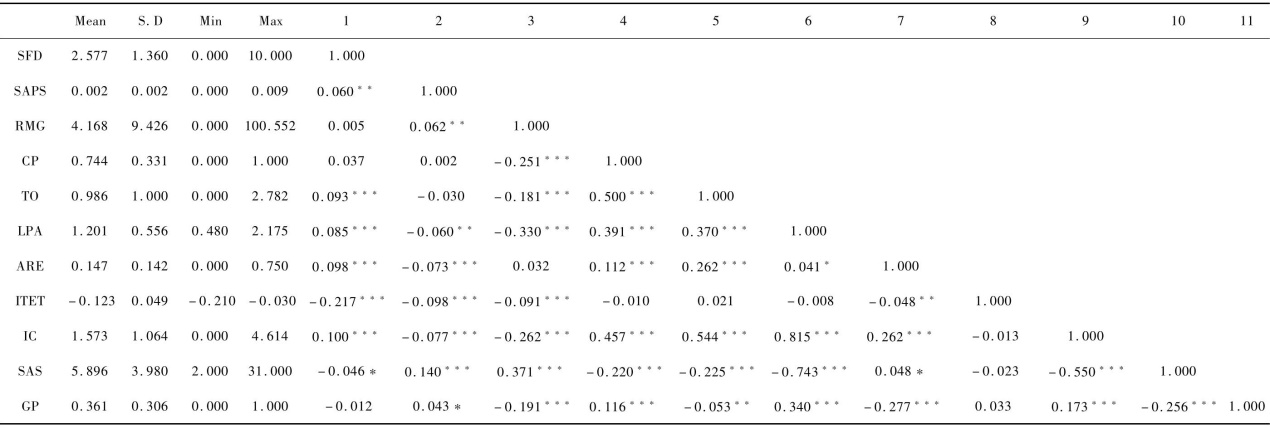 |
表2 变量描述性统计和相关性分析
Table 2 Descriptive statistics and correlations
|
| (1) | (2) | (3) | (4) | (5) | |
|---|---|---|---|---|---|
| SAPS | 14.82* | 15.94** | 14.94** | 16.85** | |
| (8.064) | (8.094) | (7.324) | (8.114) | ||
| SAPS*RMG | 1.407** | 1.356** | |||
| (0.655) | (0.670) | ||||
| SAPS*CP | -35.10* | -36.64* | |||
| (20.287) | (20.865) | ||||
| TO | 0.039** | 0.039** | 0.039* | 0.040** | 0.039** |
| (0.020) | (0.012) | (0.020) | (0.020) | (0.020) | |
| LPA | 0.071 | 0.061 | 0.064 | 0.046 | 0.050 |
| (0.063) | (0.064) | (0.064) | (0.064) | (0.064) | |
| ARE | 0.246** | 0.256** | 0.272** | 0.269** | 0.285** |
| (0.120) | (0.120) | (0.120) | (0.120) | (0.120) | |
| ITET | -2.333*** | -2.285*** | -2.240*** | -2.267*** | -2.208*** |
| (0.315) | (0.316) | (0.317) | (0.316) | (0.318) | |
| IC | -0.000 | 0.004 | 0.000 | 0.003 | -0.001 |
| (0.029) | (0.029) | (0.029) | (0.029) | (0.029) | |
| SAS | 0.001 | -0.001 | 0.000 | -0.002 | -0.002 |
| (0.006) | (0.006) | (0.006) | (0.006) | (0.006) | |
| GP | 0.001 | -0.004 | -0.008 | -0.004 | -0.006 |
| (0.057) | (0.057) | (0.057) | (0.057) | (0.057) | |
| RMG | 0.001 | 0.000 | -0.001 | 0.000 | -0.001 |
| (0.002) | (0.002) | (0.002) | (0.002) | (0.002) | |
| CP | -0.054 | -0.060 | -0.066 | -0.060 | -0.067 |
| (0.057) | (0.057) | (0.057) | (0.057) | (0.057) | |
| _cons | 0.522*** | 0.523*** | 0.533*** | 0.551*** | 0.562*** |
| (0.095) | (0.095) | (0.095) | (0.097) | (0.097) | |
| Log likelihood | -2828.249 | -2823.138 | -2820.890 | -2821.694 | -2820.489 |
| LR chi2 | 77.75 | 81.96 | 86.45 | 84.85 | 87.25 |
表3 负二项回归分析结果
Table 3 Negative binomial regression results
| (1) | (2) | (3) | (4) | (5) | |
|---|---|---|---|---|---|
| SAPS | 14.82* | 15.94** | 14.94** | 16.85** | |
| (8.064) | (8.094) | (7.324) | (8.114) | ||
| SAPS*RMG | 1.407** | 1.356** | |||
| (0.655) | (0.670) | ||||
| SAPS*CP | -35.10* | -36.64* | |||
| (20.287) | (20.865) | ||||
| TO | 0.039** | 0.039** | 0.039* | 0.040** | 0.039** |
| (0.020) | (0.012) | (0.020) | (0.020) | (0.020) | |
| LPA | 0.071 | 0.061 | 0.064 | 0.046 | 0.050 |
| (0.063) | (0.064) | (0.064) | (0.064) | (0.064) | |
| ARE | 0.246** | 0.256** | 0.272** | 0.269** | 0.285** |
| (0.120) | (0.120) | (0.120) | (0.120) | (0.120) | |
| ITET | -2.333*** | -2.285*** | -2.240*** | -2.267*** | -2.208*** |
| (0.315) | (0.316) | (0.317) | (0.316) | (0.318) | |
| IC | -0.000 | 0.004 | 0.000 | 0.003 | -0.001 |
| (0.029) | (0.029) | (0.029) | (0.029) | (0.029) | |
| SAS | 0.001 | -0.001 | 0.000 | -0.002 | -0.002 |
| (0.006) | (0.006) | (0.006) | (0.006) | (0.006) | |
| GP | 0.001 | -0.004 | -0.008 | -0.004 | -0.006 |
| (0.057) | (0.057) | (0.057) | (0.057) | (0.057) | |
| RMG | 0.001 | 0.000 | -0.001 | 0.000 | -0.001 |
| (0.002) | (0.002) | (0.002) | (0.002) | (0.002) | |
| CP | -0.054 | -0.060 | -0.066 | -0.060 | -0.067 |
| (0.057) | (0.057) | (0.057) | (0.057) | (0.057) | |
| _cons | 0.522*** | 0.523*** | 0.533*** | 0.551*** | 0.562*** |
| (0.095) | (0.095) | (0.095) | (0.097) | (0.097) | |
| Log likelihood | -2828.249 | -2823.138 | -2820.890 | -2821.694 | -2820.489 |
| LR chi2 | 77.75 | 81.96 | 86.45 | 84.85 | 87.25 |
| 更改因变量测量方式 | 采用基尼系数测量自变量 | 以企业规模表示权力 | |||||||
|---|---|---|---|---|---|---|---|---|---|
| (1) | (2) | (3) | (4) | (5) | (6) | (7) | (8) | (9) | |
| SAPS | 102.4*** | 122.1*** | 115.5*** | 0.000** | 0.000*** | 0.000** | 0.050* | 0.050* | 0.050* |
| (25.106) | (28.667) | (27.559) | (0.000) | (0.000) | (0.000) | (0.026) | (0.026) | (0.026) | |
| SAPS*RMG | 7.633* | 0.000 | 0.014 | ||||||
| (4.083) | (0.000) | (0.014) | |||||||
| SAPS*CP | -152.4* | 0.000 | -0.093 | ||||||
| (79.133) | (0.000) | (0.076) | |||||||
| RMG | 0.000 | -0.004 | 0.000 | 0.001 | 0.003 | 0.001 | -0.000 | 0.002 | -0.001 |
| (0.006) | (0.008) | (0.006) | (0.008) | (0.008) | (0.008) | (0.011) | (0.011) | (0.011) | |
| CP | 0.254 | 0.235 | 0.230 | -0.070 | -0.074 | -0.065 | -0.470 | -0.394 | -0.431 |
| (0.191) | (0.191) | (0.192) | (0.057) | (0.057) | (0.057) | (0.495) | (0.501) | (0.500) | |
| Control | Yes | Yes | Yes | Yes | Yes | Yes | Yes | Yes | Yes |
| _cons | -2.001*** | -1.943*** | -1.878*** | 0.473*** | 0.521*** | 0.531*** | 0.669* | 0.586 | 0.720* |
| (0.320) | (0.321) | (0.328) | (0.099) | (0.097) | (0.097) | (0.386) | (0.397) | (0.391) | |
| Log likelihood | -1077.904 | -1075.885 | -1076.327 | -2825.310 | -2824.416 | -2824.122 | -339.221 | -338.748 | -338.462 |
| LR chi2 | 159.15 | 163.19 | 162.30 | 83.63 | 85.42 | 86 | 17.01 | 18.95 | 18.53 |
表4 稳健性检验结果
Table 4 The result of robustness analysis
| 更改因变量测量方式 | 采用基尼系数测量自变量 | 以企业规模表示权力 | |||||||
|---|---|---|---|---|---|---|---|---|---|
| (1) | (2) | (3) | (4) | (5) | (6) | (7) | (8) | (9) | |
| SAPS | 102.4*** | 122.1*** | 115.5*** | 0.000** | 0.000*** | 0.000** | 0.050* | 0.050* | 0.050* |
| (25.106) | (28.667) | (27.559) | (0.000) | (0.000) | (0.000) | (0.026) | (0.026) | (0.026) | |
| SAPS*RMG | 7.633* | 0.000 | 0.014 | ||||||
| (4.083) | (0.000) | (0.014) | |||||||
| SAPS*CP | -152.4* | 0.000 | -0.093 | ||||||
| (79.133) | (0.000) | (0.076) | |||||||
| RMG | 0.000 | -0.004 | 0.000 | 0.001 | 0.003 | 0.001 | -0.000 | 0.002 | -0.001 |
| (0.006) | (0.008) | (0.006) | (0.008) | (0.008) | (0.008) | (0.011) | (0.011) | (0.011) | |
| CP | 0.254 | 0.235 | 0.230 | -0.070 | -0.074 | -0.065 | -0.470 | -0.394 | -0.431 |
| (0.191) | (0.191) | (0.192) | (0.057) | (0.057) | (0.057) | (0.495) | (0.501) | (0.500) | |
| Control | Yes | Yes | Yes | Yes | Yes | Yes | Yes | Yes | Yes |
| _cons | -2.001*** | -1.943*** | -1.878*** | 0.473*** | 0.521*** | 0.531*** | 0.669* | 0.586 | 0.720* |
| (0.320) | (0.321) | (0.328) | (0.099) | (0.097) | (0.097) | (0.386) | (0.397) | (0.391) | |
| Log likelihood | -1077.904 | -1075.885 | -1076.327 | -2825.310 | -2824.416 | -2824.122 | -339.221 | -338.748 | -338.462 |
| LR chi2 | 159.15 | 163.19 | 162.30 | 83.63 | 85.42 | 86 | 17.01 | 18.95 | 18.53 |
| 基于标准类型的异质性分析结果 | 基于标准联盟成员平均年龄的异质性分析 | |||
|---|---|---|---|---|
| 1渐进式技术标准 | 2新型技术标准 | 3年龄小 | 4年龄大 | |
| SAPS | 14.24* | 47.58 | 52.95*** | -15.25 |
| (7.502) | (41.258) | (16.255) | (16.297) | |
| Controls | Yes | Yes | Yes | Yes |
| _cons | 0.466*** | 1.517*** | 0.293* | 0.649*** |
| (0.098) | (0.404) | (0.165) | (0.123) | |
| Log likelihood | -2667.251 | -148.525 | -1354.706 | -1457.182 |
| LR chi2 | 77.97 | 17.39 | 81.95 | 22.47 |
表5 异质性分析结果
Table 5 The results of heterogeneity analysis
| 基于标准类型的异质性分析结果 | 基于标准联盟成员平均年龄的异质性分析 | |||
|---|---|---|---|---|
| 1渐进式技术标准 | 2新型技术标准 | 3年龄小 | 4年龄大 | |
| SAPS | 14.24* | 47.58 | 52.95*** | -15.25 |
| (7.502) | (41.258) | (16.255) | (16.297) | |
| Controls | Yes | Yes | Yes | Yes |
| _cons | 0.466*** | 1.517*** | 0.293* | 0.649*** |
| (0.098) | (0.404) | (0.165) | (0.123) | |
| Log likelihood | -2667.251 | -148.525 | -1354.706 | -1457.182 |
| LR chi2 | 77.97 | 17.39 | 81.95 | 22.47 |
| [1] | 吴文华, 张琰飞. 技术标准联盟对技术标准确立与扩散的影响研究[J]. 科学学与科学技术管理, 2006(4): 44-47,53. |
| Wu W H, Zhang Y F. The influence of technical standard alliances on the establishment and diffusion of technical standards[J]. Science of Science and Management of S.& T, 2006(4): 44-47,53. | |
| [2] |
King J L, Gurbaxani V, Kraemer K L, et al. Institutional factors in information technology innovation[J]. Information Systems Research, 1994, 5(2): 139-169.
DOI URL |
| [3] | 陈立勇, 张洁琼, 曾德明, 等. 知识重组、协作研发深度对企业技术标准制定的影响研究[J]. 管理学报, 2019, 16(4): 531-540. |
| Chen L Y, Zhang J Q, Zeng D M, et al. Research of the effect of knowledge recombination, depth of collaboration R&D on technology standard setting of enterprises[J]. Chinese Journal of Management, 2019, 16(4): 531-540. | |
| [4] |
Wang J, Kim S. Time to get in: The contrasting stories about government interventions in information technology standards (the case of CDMA and IMT-2000 in Korea)[J]. Government Information Quarterly, 2007, 24(1): 115-134.
DOI URL |
| [5] | 张睿涵, 孙冰. 移动通信产业主导技术标准替代的政府作用机制研究[J]. 公共管理学报, 2023, 20(2): 92-102,171. |
| Zhang R H, Sun B. Research on the government's mechanism of dominant technology standard substitution in the mobile communication industry[J]. Journal of Public Management, 2023, 20(2): 92-102,171. | |
| [6] | 文金艳, 曾德明. 标准联盟组合配置与企业技术标准化能力[J]. 科学学研究, 2019, 37(7): 1277-1285. |
| Wen J Y, Zeng D M. Alliance portfolio configuration and firm's technology standardization capability[J]. Studies in Science of Science, 2019, 37(7): 1277-1285. | |
| [7] | 文金艳, 曾德明, 王媛. 联盟组合多样性、关系强度与技术标准化能力[J]. 科研管理, 2021, 42(11): 164-170. |
| Wen J Y, Zeng D M, Wang Y. Alliance portfolio diversity, tie strength and technological standardization capability of firms[J]. Science Research Management, 2021, 42(11): 164-170. | |
| [8] | Ranganathan R, Ghosh A, Rosenkopf L. Competition-cooperation interplay during multifirm technology coordination: The effect of firm heterogeneity on conflict and consensus in a technology standards organization[J]. Strategic Management Journal, 2018(12): 39. |
| [9] | Gasto'N Llanes†, Joaqu'In Poblete. Technology choice and coalition formation in standards wars*[J]. The Journal of Industrial Economics, 2020, 68(2). |
| [10] |
Axelrod R, Mitchell W, Thomas R E, et al. Coalition formation in standard-setting alliances[J]. Management Science, 1995, 41(9): 1493-1508.
DOI URL |
| [11] |
Hemphill T A. Technology standards-setting in the US wireless telecommunications industry: A study of three generations of digital standards development[J]. Telematics and Informatics, 2009, 26(1): 103-124.
DOI URL |
| [12] | 赵炎, 郑向杰. 网络嵌入性与地域根植性对联盟企业创新绩效的影响——对中国高科技上市公司的实证分析[J]. 科研管理, 2013, 34(11): 9-17. |
| Zhao Y, Zheng X Y. Impact of network embeddedness and geographic embeddedness on the innovation performance of the alliance enterprises——An empirical research on the high- tech listed companies in China[J]. Science Research Management, 2013, 34(11): 9-17. | |
| [13] | 杨祎, 赵亚普, 夏成程, 等. 信号丢失视角下的企业专利战略研究[J]. 科学学研究, 2022, 40(2): 297-308. |
| Yang Y, Zhao Y P, Xia C C, et al. Research on firm patent strategy from the perspective of signal loss[J]. Studies in Science of Science, 2022, 40(2): 297-308. | |
| [14] | 周青, 陈佩夫, 毛崇峰, 等. 多维邻近性对国际技术标准生存时间的影响研究——基于ITU国际技术标准生存分析[J]. 研究与发展管理, 2024(3): 149-162. |
| Zhou Q, Chen P F, Mao C F, et al. Influence of multidimensional proximity on the survival time of international technical standards——Survival analysis based on itu international technical standards[J]. R&D Management, 2024(3): 149-162. | |
| [15] | 谢光华. 高管校友关系网络、正式制度环境与企业合作创新——基于关系治理与契约治理互动视角[J]. 管理评论, 2023, 35(11): 75-89. |
| Xie G H. Managerial alumni network, formal institutional environment and corporate cooperative innovation——From the interactive perspective of relationship governance and contract governance[J]. Management Review, 2023, 35(11): 75-89. | |
| [16] | 宋铁波, 钟槟. 跨区域战略联盟绩效关系研究[J]. 科学学与科学技术管理, 2013, 34(3): 42-50. |
| Song T B, Zhong B. A study on the relationship between institutional distance and cross-regional strategic alliance performance[J]. Science of Science and Management of S.& T, 2013, 34(3): 42-50. | |
| [17] |
Kostova T, Zaheer S. Organizational legitimacy under conditions of complexity the case of the multinational enterprise[J]. Academy of Management Review, 1999, 24(1): 64-81.
DOI URL |
| [18] |
Phelps C C. A longitudinal study of the influence of alliance network structure and composition on firm exploratory innovation[J]. Academy of Management Journal, 2010, 53(4): 890-913.
DOI URL |
| [19] | Coleman J S. Social capital in the creation of human capital[J]. American Journal of Sociology, 1988, 94: 95-120. |
| [20] | 马艳艳, 范佳颖, 刘江南, 等. 企业科技创新主体地位的来源:一项结构性权力视角的实证[J]. 科研管理, 2024, 45(8): 145-153. |
| Ma Y Y, Fan J Y, Liu J N, et al. Sources of the principal role of enterprises in S&T innovation: An empirical study from the perspective of structural power[J]. Science Research Management, 2024, 45(8): 145-153. | |
| [21] | Astley W G, Sachdeva P S. Structural sources of intraorganizational power: A theoretical synthesis[J]. Academy of Management Review, 1984, 9(1): 104-113. |
| [22] | 邹思明, 曾德明, 张利飞, 等. 网络关系、技术多元化与企业技术标准化能力[J]. 科研管理, 2017, 38(9): 12-20. |
| Zou S M, Zeng D M, Zhang L F, et al. A study of network relationship, technology diversity and technology standardization capability of enterprises[J]. Science Research Management, 2017, 38(9): 12-20. | |
| [23] | 王海花, 李烨, 王莹, 等. 标准联盟网络位置与数字创新:一个有调节的中介模型[J]. 系统管理学报, 2023, 32(3): 538-548. |
| Wang H H, Li H, Wang Y, et al. Standard alliance network position and digital innovation:A test of moderated mediation[J]. Journal of Systems & Management, 2023, 32(3): 538-548. | |
| [24] | 戴海闻, 曾德明, 张运生. 标准联盟组合嵌入性社会资本对企业创新绩效的影响研究[J]. 研究与发展管理, 2017, 29(2): 93-101. |
|
Dai H W, Zeng D M, Zhang Y S. Social capital embedded in standard alliance portfolio and its impact on enterprises' innovation performance[J]. R&D Management, 2017, 29(2): 93-101.
DOI URL |
|
| [25] | 解学梅, 朱琪玮. 企业绿色创新实践如何破解“和谐共生”难题?[J]. 管理世界, 2021, 37(1): 128-149,9. |
| Xie X M, Zhu Q W. How can green innovation solve the dilemmas of “harmonious coexistence”?[J]. Journal of Management World, 2021, 37(1): 128-149,9. | |
| [26] | Tatarynowicz A, Sytch M, Tatarynowicz A. Friends and foes: The dynamics of dual social structures[J]. Academy of Management Proceedings, 2012(1):1-1. |
| [27] |
Miller C D, Toh P K. Complementary components and returns from coordination within ecosystems via standard setting[J]. Strategic Management Journal, 2020, 43(3): 627-662.
DOI URL |
| [28] | 陈立敏, 王小瑕. 国际化战略是否有助于企业提高绩效——基于Meta回归技术的多重误设定偏倚分析[J]. 中国工业经济, 2014(11): 102-115. |
| Chen L M, Wang X X. Does internationalization strategy help enterprises improve performance? —— Analysis of multiple misspecification biases based on Meta regression technology[J]. China Industrial Economics, 2014(11): 102-115. | |
| [29] | 常晓然, 张蕾. 绩效反馈、东道国技术环境不确定性与研发国际化模式选择[J]. 管理工程学报, 2023, 37(3): 201-211. |
| Chang X R, Zhang L. Performance feedback, technological environment uncertainty in the host country and R&D internationalization mode choice[J]. Journal of Industrial Engineering and Engineering Management, 2023, 37(3): 201-211. | |
| [30] |
Arundel A, Kabla I. What percentage of innovations are patented? Empirical estimates for European firms[J]. Research Policy, 1998, 27(2): 127-141.
DOI URL |
| [31] |
Liang X, Liu A M M. The evolution of government sponsored collaboration network and its impact on innovation: A bibliometric analysis in the Chinese solar PV sector[J]. Research Policy, 2018, 47(7): 1295-1308.
DOI URL |
| [32] | 郭鑫. 高管团队权力和薪酬不平等对企业战略变革的影响研究[D]. 吉林大学, 2023. |
| Guo X. Research on the effects of top management team power and pay disparity on enterprises’ strategic change[D]. Jilin University, 2023. | |
| [33] | 冯科, 曾德明. 二元技术标准制定绩效的驱动因素:外部网络位置与内部技术能力的权变作用[J]. 管理评论, 2023, 35(4): 79-90. |
| Fe K, Zeng D M. Factors driving the performance of setting dual technical standards: The contingent effect of external network position and internal technological capabilities[J]. Management Review, 2023, 35(4): 79-90. |
| [1] | 唐锦玥 罗守贵 孙雅慧. 企业基础研究对技术突破的影响研究[J]. 科学学研究, 2026, 44(9): 1924-1934. |
| [2] | 蔡凯星 金雪军. 产融结合对企业新质生产力的影响研究[J]. 科学学研究, 2026, 44(8): 1756-1768. |
| [3] | 王芳 马惠 赵兰香 肖震霆. 多元异构知识来源对突破性创新价值的影响[J]. 科学学研究, 2026, 44(7): 1478-1489. |
| [4] | 余江, 卢燃, 陈凤, 张越. 制度视角下的数字化转型:理论探索与框架构建[J]. 科学学研究, 2026, 44(6): 1206-1216. |
| [5] | 张昊男, 王皓月, 邢蕊, 朱方伟, 高艳虹. 原始创新中科学研究与技术研发迭代机制研究[J]. 科学学研究, 2026, 44(6): 1217-1228. |
| [6] | 辛晓华, 尚晏莹. 制造企业颠覆性绿色创新的影响因素及作用路径[J]. 科学学研究, 2026, 44(6): 1252-1263. |
| [7] | 刘雨盼 陈芹芹 张胜. 用户知识的生产机制研究[J]. 科学学研究, 2026, 44(5): 972-981. |
| [8] | 曹磊 杜勇 王铁勋. 传统工艺企业如何借助数智化实现突破性创新———基于泸州老窖的案例研究[J]. 科学学研究, 2026, 44(4): 780-791. |
| [9] | 叶伟巍, 黄淑芳. 企业牵头组建创新联合体的三阶段动态模型[J]. 科学学研究, 2024, 42(9): 2010-2016. |
| [10] | 姜子莹, 封凯栋, 沈群红. 复杂产品系统中工程师主导型企业崛起机制[J]. 科学学研究, 2024, 42(1): 136-145. |
| [11] | 王昶, 孙运梅, 何琪, 邓婵. 主配协同何以促进配套企业技术创新?[J]. 科学学研究, 2024, 42(1): 183-193. |
| [12] | 党兴华 成泷 魏龙. 技术创新网络分裂断层对子群极化的影响研究──基于网络嵌入性视角[J]. 科学学研究, 2016, (5): 781-792. |
| [13] | 孙永磊 陈劲 宋晶. 文化情境差异下双元惯例的作用研究[J]. 科学学研究, 2015, 33(9): 1424-1431. |
| [14] | 隋俊 毕克新 杨朝均 刘刚. 制造业绿色创新系统创新绩效影响因素——基于跨国公司技术转移视角的研究[J]. 科学学研究, 2015, 33(3): 440-448. |
| [15] | 魏江 黄学. 后发企业全球研发系统架构的设计规则——基于多案例比较的研发“走出去”过程研究[J]. 科学学研究, 2014, 32(11): 1668-1678. |
| 阅读次数 | ||||||
|
全文 |
|
|||||
|
摘要 |
|
|||||
