
- 中国科学学与科技政策研究会
- 中国科学院科技战略咨询研究院
- 清华大学科学技术与社会研究中心
ISSN 1003-2053 CN 11-1805/G3
科学学研究 ›› 2024, Vol. 42 ›› Issue (1): 10-20.
陈升1, 刘子俊1( ), 张楠2
收稿日期:2023-04-26
修回日期:2023-08-29
出版日期:2024-01-15
发布日期:2024-01-15
通讯作者:
刘子俊(1995-),男,博士研究生,E-mail:作者简介:陈升(1974-),男,教授,博士。基金资助:
CHEN Sheng1, LIU Zi-jun1(), ZHANG Nan2
Received:2023-04-26
Revised:2023-08-29
Online:2024-01-15
Published:2024-01-15
摘要:
大数据时代下,以ChatGPT为代表的生成式人工智能的发展蕴含着技术革命的契机,也可能带来潜在的社会风险。通过对公众评论文本分析总结并超越文本进行理论推演,可以全面认识生成式人工智能,以提出相应的治理策略。本研究基于Reddit平台中以ChatGPT为主题的公众评论文本,结合LDA模型、情感分析、社会网络分析方法和建构的T-TOE分析模型,探讨以ChatGPT为代表的生成式人工智能技术所带来的影响和冲击。研究发现,公众对生成式人工智能关注广泛,涉及运行机制、运用领域等6个主题。不同主题下公众关注程度不同,最关注技术变革和人机互动两个主题。根据情感分析,公众总体对生成式人工智能保持乐观,特别是对其可能带来的技术变革。随后根据T-TOE分析模型,以ChatGPT为代表的生成式人工智能可以连接不同技术,但具有内生风险;能够提高组织效能,但会产生互动错位,能够实现智能交互,但会导致价值分裂。为此本研究根据研究结论从技术、组织和环境三个维度提出相应的治理策略。
中图分类号:
陈升, 刘子俊, 张楠. 数字时代生成式人工智能影响及治理政策导向[J]. 科学学研究, 2024, 42(1): 10-20.
CHEN Sheng, LIU Zi-jun, ZHANG Nan. Generative artificial intelligence impacts and governance policy orientation in the digital age[J]. Studies in Science of Science, 2024, 42(1): 10-20.
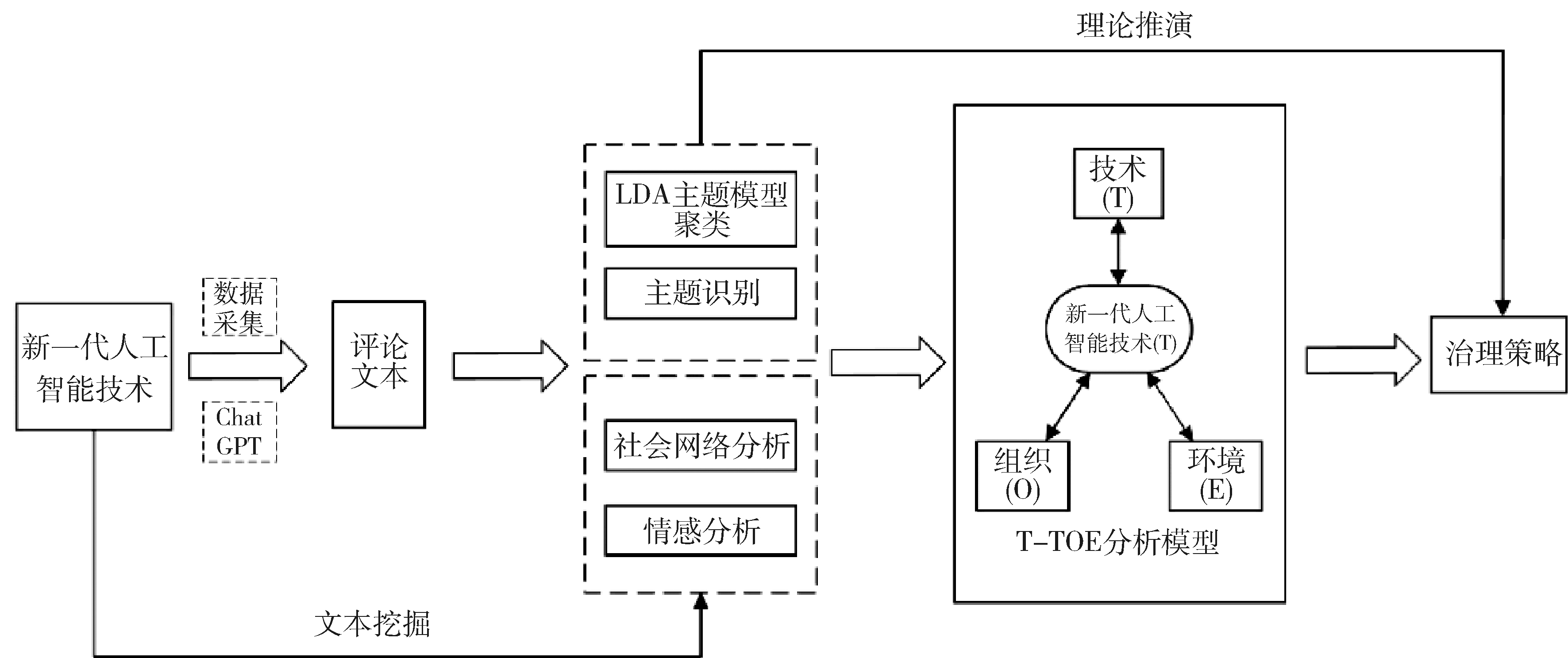
图1 分析框架图
Figure 1 Analytical framework diagram
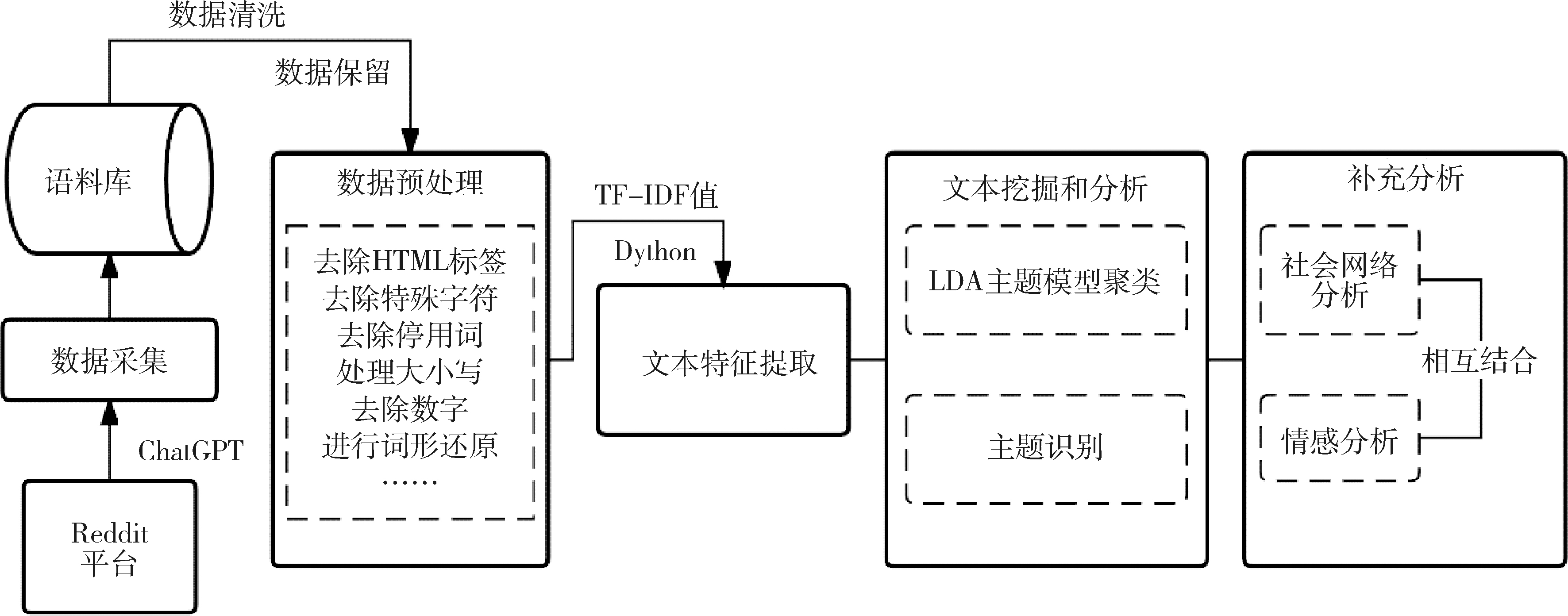
图2 研究流程
Figure 2 Research flow
| 主题 | 1 | 2 | 3 | 4 | 5 | 6 |
|---|---|---|---|---|---|---|
| 1 | 46152 | 17956 | 23220 | 19157 | 13378 | 4578 |
| 2 | 17956 | 52466 | 20313 | 25585 | 30461 | 24962 |
| 3 | 23220 | 20313 | 56091 | 30536 | 22205 | 0 |
| 4 | 19157 | 25585 | 30536 | 60758 | 36650 | 14938 |
| 5 | 13378 | 30461 | 22205 | 36650 | 63566 | 26749 |
| 6 | 4578 | 24962 | 0 | 14938 | 26749 | 49276 |
表1 主题-主题的共现矩阵
Table 1 Topic-topic co-occurrence matrix
| 主题 | 1 | 2 | 3 | 4 | 5 | 6 |
|---|---|---|---|---|---|---|
| 1 | 46152 | 17956 | 23220 | 19157 | 13378 | 4578 |
| 2 | 17956 | 52466 | 20313 | 25585 | 30461 | 24962 |
| 3 | 23220 | 20313 | 56091 | 30536 | 22205 | 0 |
| 4 | 19157 | 25585 | 30536 | 60758 | 36650 | 14938 |
| 5 | 13378 | 30461 | 22205 | 36650 | 63566 | 26749 |
| 6 | 4578 | 24962 | 0 | 14938 | 26749 | 49276 |
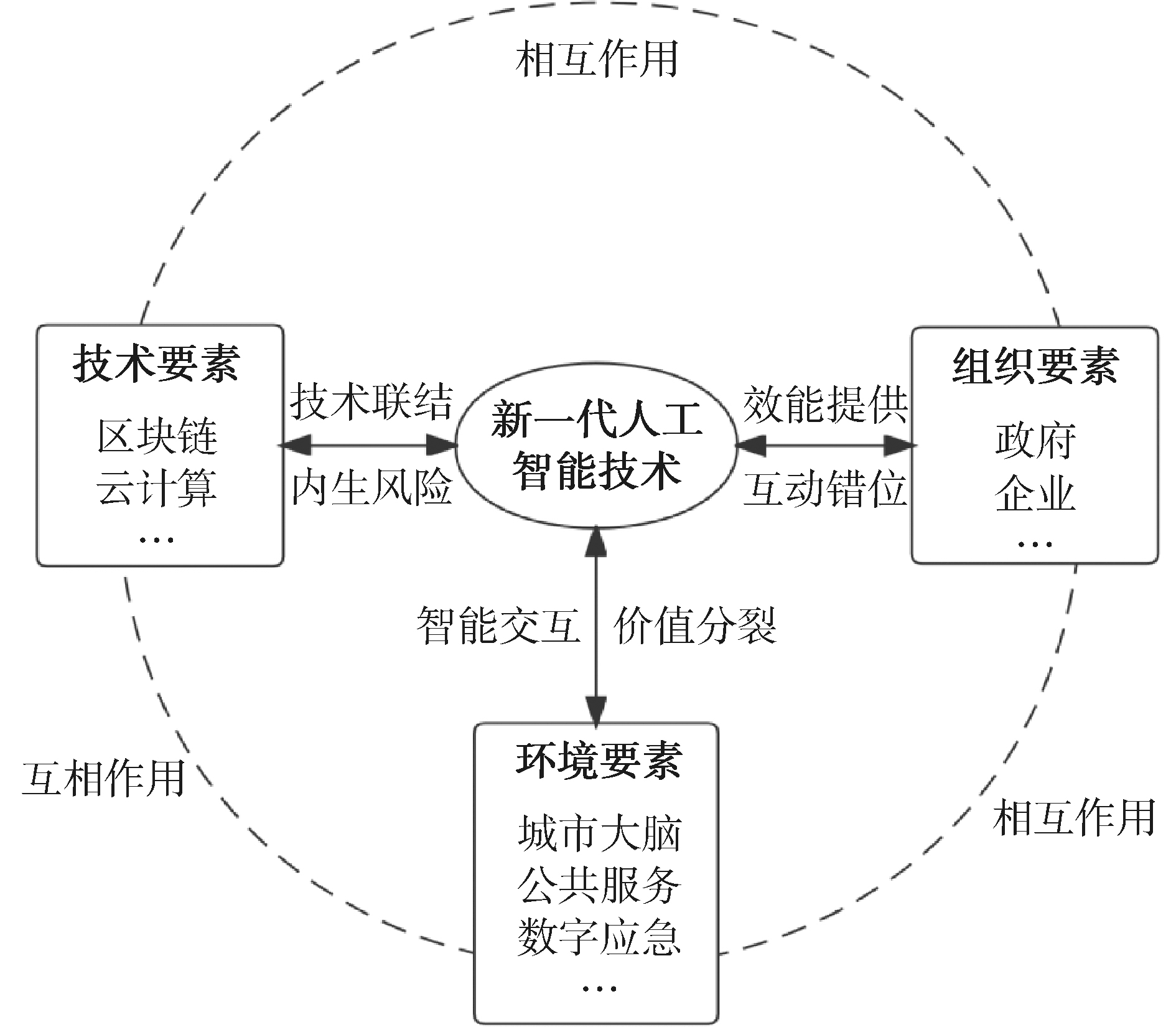
图3 T-TOE分析框架
Figure 3 T-TOE analysis framework
| 序号 | 关键词 | TF-IDF值 | 序号 | 关键词 | TF-IDF值 |
|---|---|---|---|---|---|
| 1 | chatgpt | 0.0217 | 11 | thing | 0.0110 |
| 2 | like | 0.0192 | 12 | 0.0109 | |
| 3 | ai | 0.0189 | 13 | good | 0.0109 |
| 4 | people | 0.0149 | 14 | need | 0.0095 |
| 5 | think | 0.0133 | 15 | answer | 0.0093 |
| 6 | use | 0.0131 | 16 | way | 0.0092 |
| 7 | know | 0.0130 | 17 | want | 0.0089 |
| 8 | work | 0.0120 | 18 | say | 0.0087 |
| 9 | make | 0.0117 | 19 | write | 0.0087 |
| 10 | time | 0.0114 | 20 | question | 0.0082 |
表2 高频词展示
Table 2 Display of high-frequency words
| 序号 | 关键词 | TF-IDF值 | 序号 | 关键词 | TF-IDF值 |
|---|---|---|---|---|---|
| 1 | chatgpt | 0.0217 | 11 | thing | 0.0110 |
| 2 | like | 0.0192 | 12 | 0.0109 | |
| 3 | ai | 0.0189 | 13 | good | 0.0109 |
| 4 | people | 0.0149 | 14 | need | 0.0095 |
| 5 | think | 0.0133 | 15 | answer | 0.0093 |
| 6 | use | 0.0131 | 16 | way | 0.0092 |
| 7 | know | 0.0130 | 17 | want | 0.0089 |
| 8 | work | 0.0120 | 18 | say | 0.0087 |
| 9 | make | 0.0117 | 19 | write | 0.0087 |
| 10 | time | 0.0114 | 20 | question | 0.0082 |
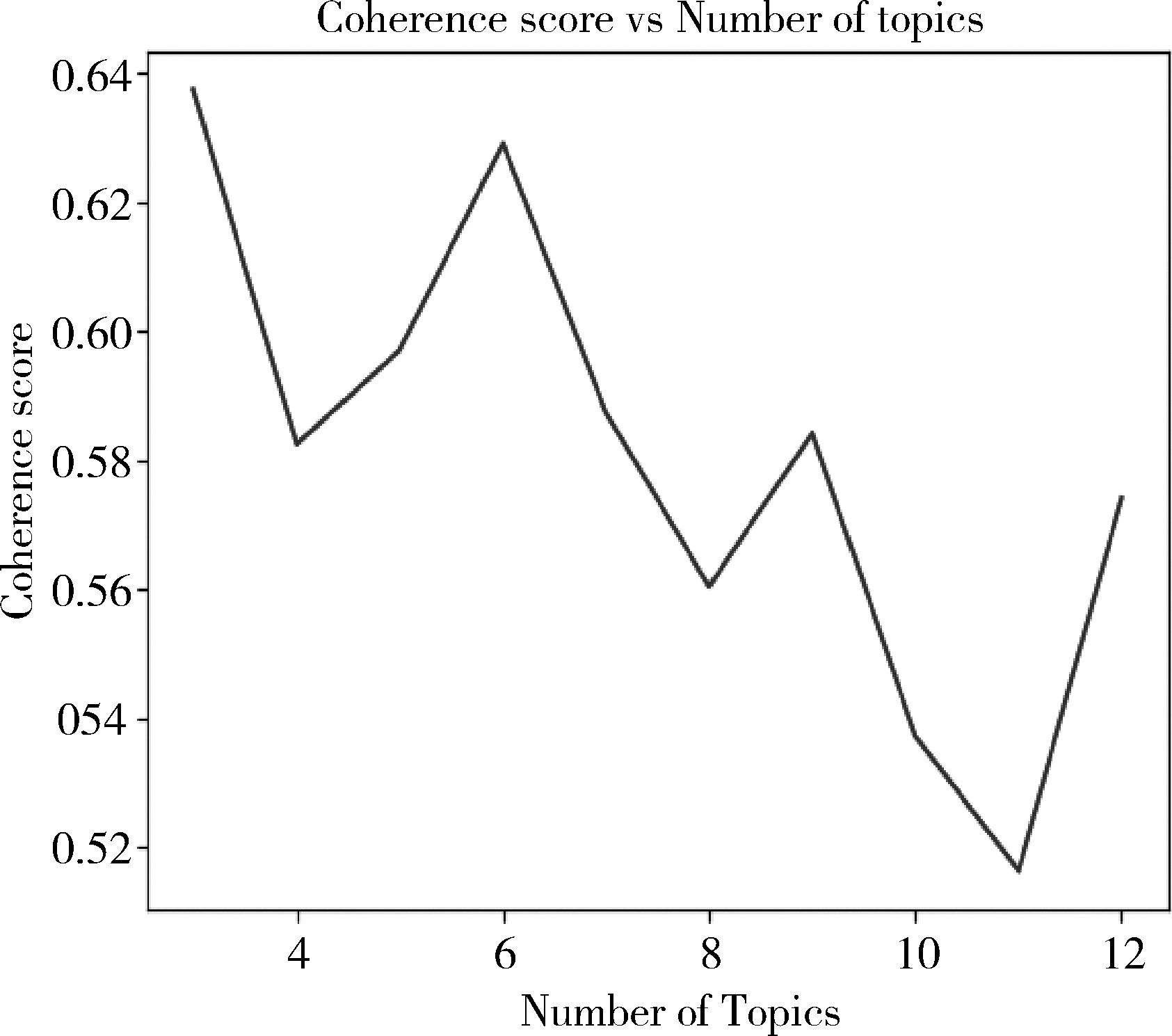
图4 主题一致性计算
Figure 4 Topic consistency calculation
| 主题序号 | 关键词 | |
|---|---|---|
| 英文原文 | 中文对照 | |
| 主题1:学校教育 | write,student,essay,school, paper,time,teacher,job | 写作,学生,文章,学校,论文,时间,老师,工作 |
| 主题2:运用领域 | money,people,content,art, make,live,wage,work | 金钱,人类,内容,艺术,制造,生活,工资,工作 |
| 主题3:人机互动 | answer,use,question,like, code,ask,know,bot | 回答,使用,问题,喜欢,代码,提问,知道,机器人 |
| 主题4:运行机制 | search,think,see,get, thing,use,tech,engine | 搜索,思考,看到,得到,东西,使用,技术,引擎 |
| 主题5:反思讨论 | tell,professor,like,make, think,word,would,know | 告诉,教授,喜欢,使得,思考,词语,将要,知道 |
| 主题6:技术变革 | model,language,work,data, way,company,problem,train | 模型,语言,工作,数据, 方式,公司,问题,训练 |
表3 LDA主题模型分析
Table 3 LDA thematic model analysis
| 主题序号 | 关键词 | |
|---|---|---|
| 英文原文 | 中文对照 | |
| 主题1:学校教育 | write,student,essay,school, paper,time,teacher,job | 写作,学生,文章,学校,论文,时间,老师,工作 |
| 主题2:运用领域 | money,people,content,art, make,live,wage,work | 金钱,人类,内容,艺术,制造,生活,工资,工作 |
| 主题3:人机互动 | answer,use,question,like, code,ask,know,bot | 回答,使用,问题,喜欢,代码,提问,知道,机器人 |
| 主题4:运行机制 | search,think,see,get, thing,use,tech,engine | 搜索,思考,看到,得到,东西,使用,技术,引擎 |
| 主题5:反思讨论 | tell,professor,like,make, think,word,would,know | 告诉,教授,喜欢,使得,思考,词语,将要,知道 |
| 主题6:技术变革 | model,language,work,data, way,company,problem,train | 模型,语言,工作,数据, 方式,公司,问题,训练 |
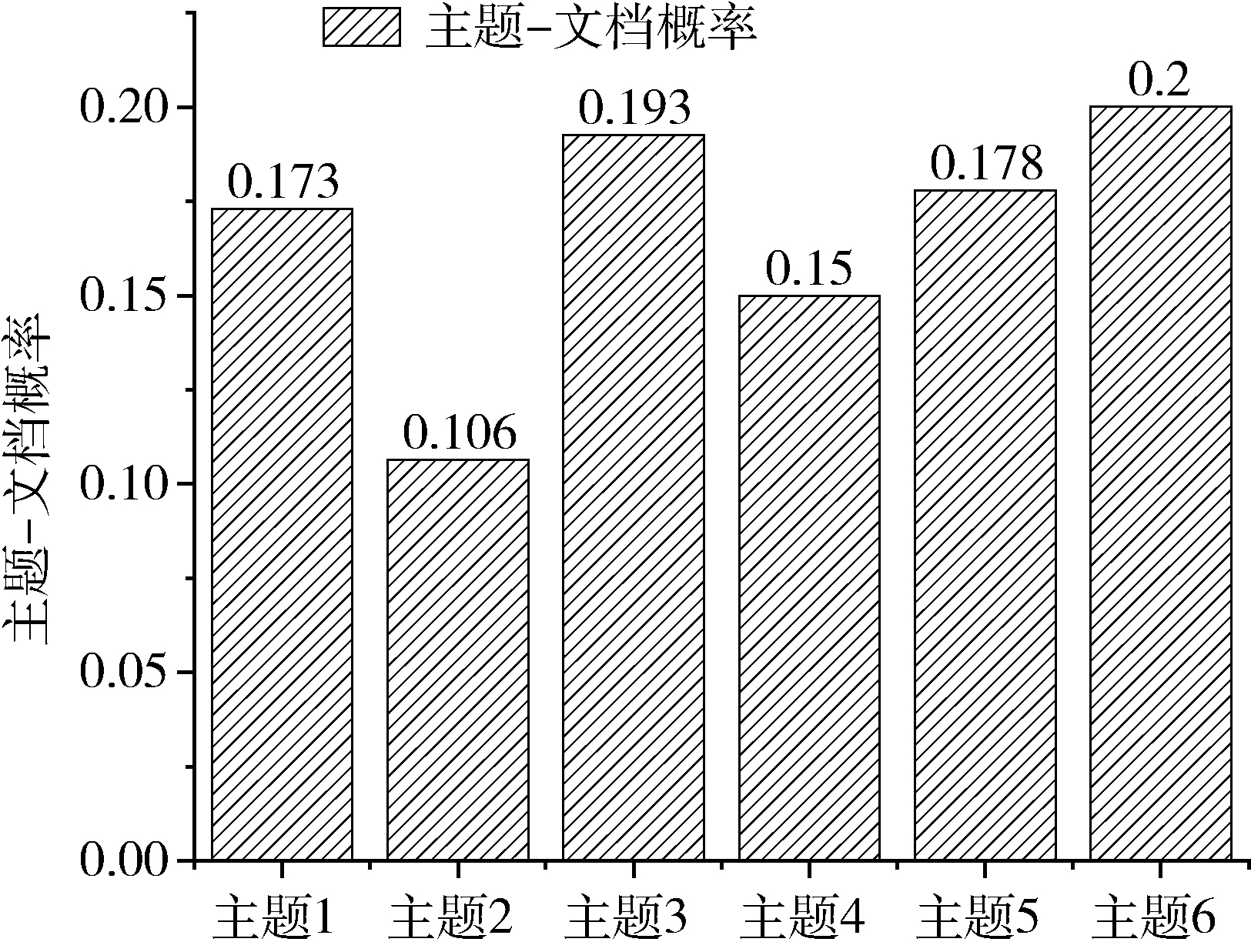
图5 主题文档概率分布图
Figure 5 Probability distribution of subject documents
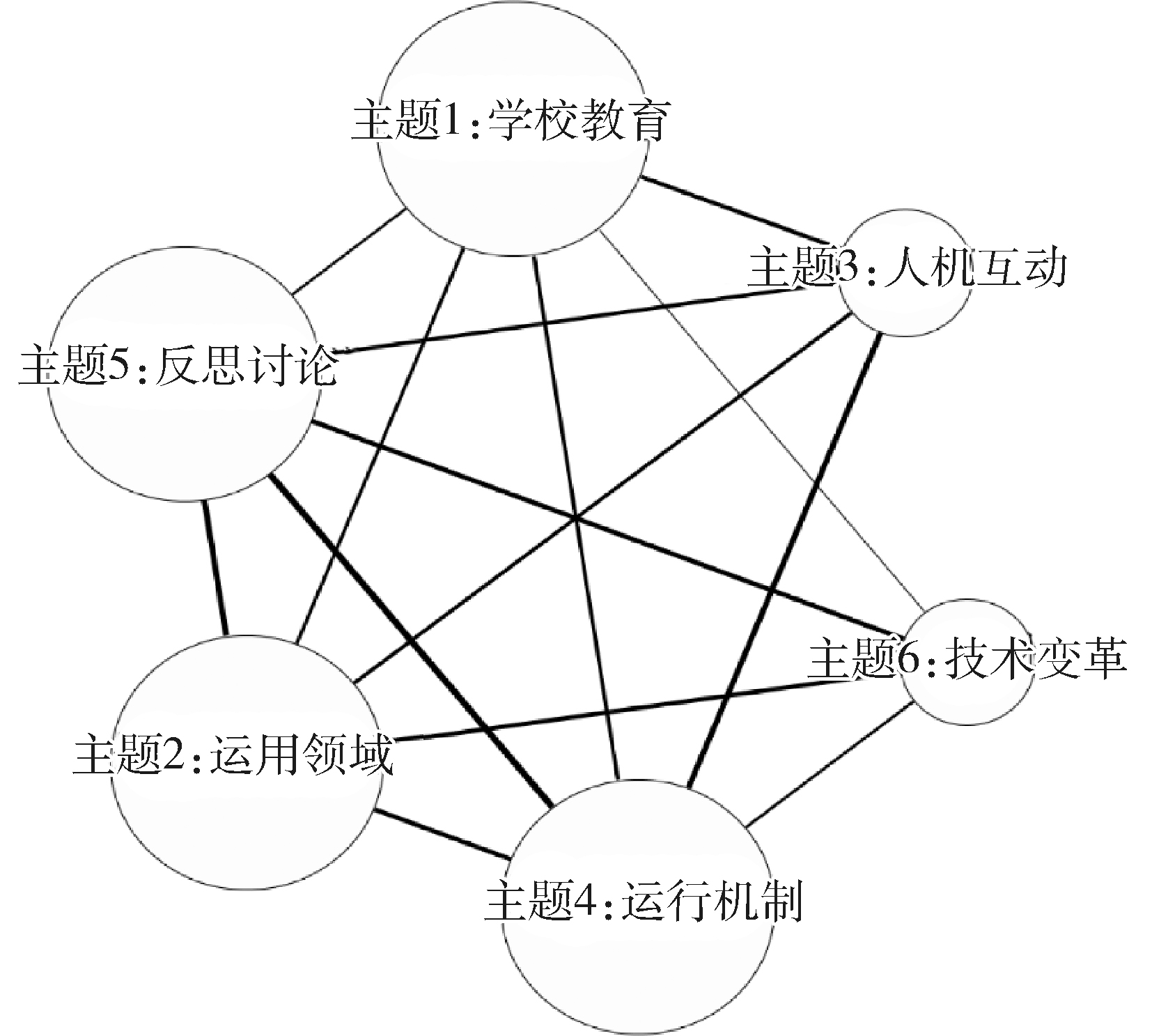
图6 社会网络分析图
Figure 6 Social network analysis diagram
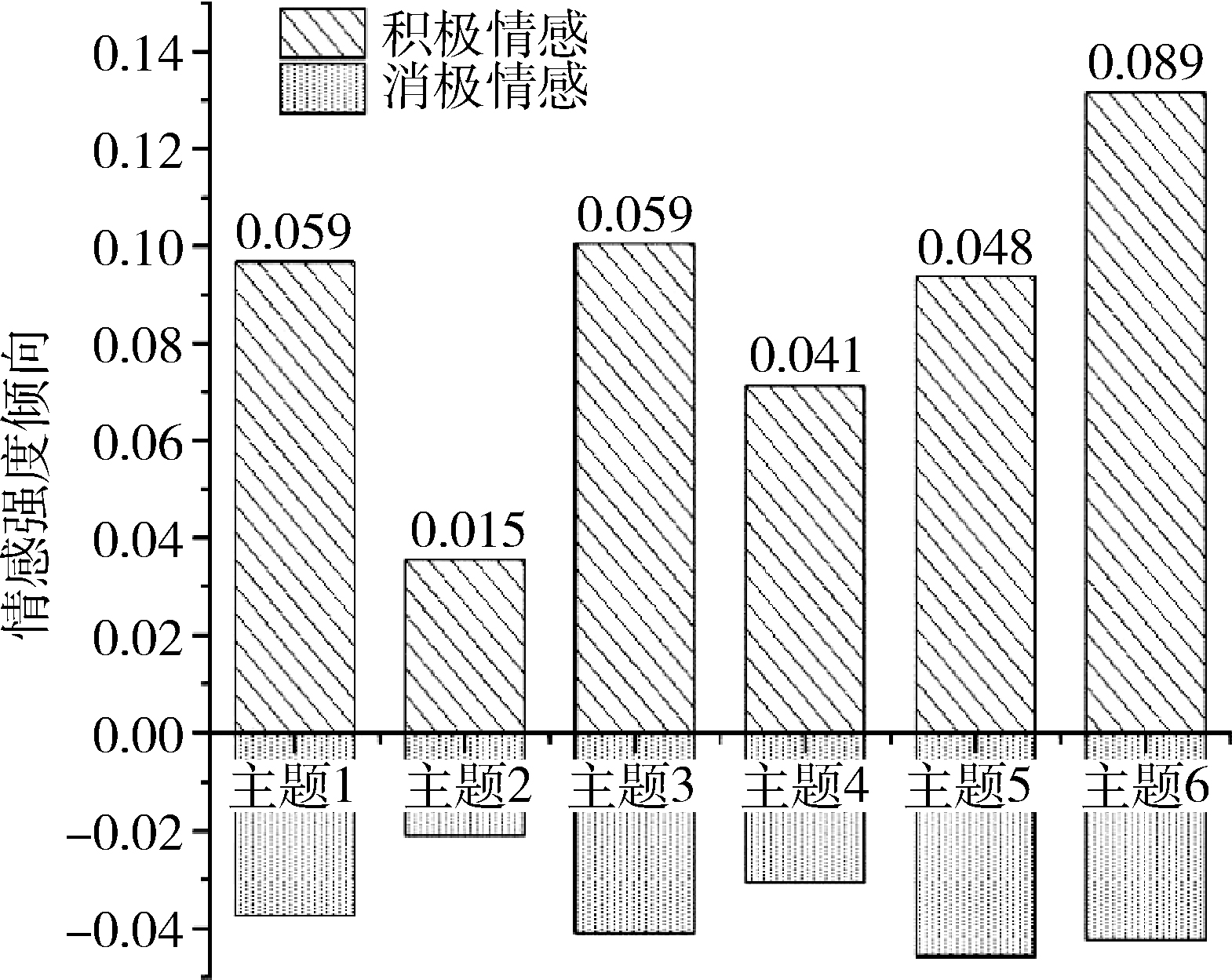
图7 主题情感强度结果
Figure 7 Theme emotional intensity results
| 主题 | 积极 | 消极 |
|---|---|---|
| 主题1:学校教育 | 0.097 | -0.037 |
| 主题2:运用领域 | 0.036 | -0.021 |
| 主题3:人机互动 | 0.100 | -0.041 |
| 主题4:运行机制 | 0.071 | -0.031 |
| 主题5:反思讨论 | 0.094 | -0.046 |
| 主题6:技术变革 | 0.132 | -0.042 |
表4 LDA主题情感倾向指数分布表
Table 4 Distribution of affective tendency index for LDA topics
| 主题 | 积极 | 消极 |
|---|---|---|
| 主题1:学校教育 | 0.097 | -0.037 |
| 主题2:运用领域 | 0.036 | -0.021 |
| 主题3:人机互动 | 0.100 | -0.041 |
| 主题4:运行机制 | 0.071 | -0.031 |
| 主题5:反思讨论 | 0.094 | -0.046 |
| 主题6:技术变革 | 0.132 | -0.042 |
| [1] | 何哲, 曾润喜, 秦维, 等. ChatGPT等新一代人工智能技术的社会影响及其治理[J]. 电子政务, 2023(4):2-24. |
| He Z, Zeng R X, Qin W, et al. Social impacts of ChatGPT and other new generation artificial intelligence technologies and their governance[J]. E-Government, 2023(4):2-24. | |
| [2] | 冯志伟, 张灯柯, 饶高琦. 从图灵测试到ChatGPT——人机对话的里程碑及启示[J]. 语言战略研究, 2023, 8(2):20-24. |
| Feng Z W, Zhang D K, Rao G Q. From turing test to chatgpt:A milestone of man-machine interaction and its enlightenment[J]. Chinese Journal of Language Policy and Planning, 2023, 8(2):20-24. | |
| [3] | 张辉, 刘鹏, 姜钧译, 等. ChatGPT:从技术创新到范式革命[J]. 科学学研究, 2023, 41(12):2113-2121. |
| Zhang H, Liu P, Jiang J Y, et al. ChatGPT:From technological innovation to paradigm revolution[J]. Studies in Science of Science, 2023, 41(12):2113-2121. | |
| [4] |
Wang F Y, Yang J, Wang X, et al. Chat with ChatGPT on industry 5.0: Learning and decision-making for intelligent industries[J]. IEEE/CAA Journal of Automatica Sinica, 2023, 10(4): 831-834.
DOI URL |
| [5] | Zhou J, Ke P, Qiu X, et al. ChatGPT: Potential, prospects, and limitations[J]. Frontiers of Information Technology & Electronic Engineering, 2023: 1-6. |
| [6] | 张夏恒. 新一代人工智能技术(ChatGPT)可能引发的社会变革[J]. 产业经济评论, 2023(3):22-30. |
| Zhang X H. Possible social changes triggered by next-generation artificial intelligence technology (ChatGPT)[J]. Industrial Economics Review, 2023(3):22-30. | |
| [7] | 曹克亮. 人工智能的神话: ChatGPT与超越的数字劳动“主体”之辨[J/OL]. 长白学刊:1-9[2023-03-30]. http://kns.cnki.net/kcms/detail/22.1009.d.20230327.1533.004.html. |
| Cao K L. The myth of artificial intelligence: ChatGPT and the transcendent “subject” of digital labor[J/OL]. Changbai Journal:1-9[2023-09-07]. http://kns.cnki.net/kcms/detail/22.1009.d.20230327.1533.004.html. | |
| [8] |
Biswas S S. Role of chatgpt in public health[J]. Annals of Biomedical Engineering, 2023, 51(5): 868-869.
DOI PMID |
| [9] | 洪永淼, 汪寿阳. 人工智能新近发展及其对经济学研究范式的影响[J]. 中国科学院院刊, 2023, 38(3):353-357. |
| Hong Y M, Wang S Y. Impacts of cutting-edge artificial intelligence on economic research paradigm[J]. Bulletin of Chinese Academy of Sciences, 2023, 38(3):353-357. | |
| [10] | 郁建兴, 刘宇轩, 吴超. 人工智能大模型的变革与治理[J]. 中国行政管理, 2023, 39(4):6-13. |
| Yu J X, Liu Y X, Wu C. Change and governance of large models of artificial intelligence[J]. Chinese Administration, 2023, 39(4):6-13. | |
| [11] | 吴砥, 李环, 陈旭. 人工智能通用大模型教育应用影响探析[J]. 开放教育研究, 2023, 29(2):19-25,45. |
| Wu M, Li H, Chen X. Analysis on the influence of artificial intelligence generic large model on education application[J]. Open Education Research, 2023, 29(2):19-25,45. | |
| [12] | Farrokhnia M, Banihashem S K, Noroozi O, et al. A SWOT analysis of ChatGPT: Implications for educational practice and research[J]. Innovations in Education and Teaching International, 2023: 1-15. |
| [13] |
Lund B D, Wang T, Mannuru N R, et al. ChatGPT and a new academic reality: Artificial intelligence-written research papers and the ethics of the large language models in scholarly publishing[J]. Journal of the Association for Information Science and Technology, 2023, 74(5): 570-581.
DOI URL |
| [14] | 郑世林, 姚守宇, 王春峰. ChatGPT新一代人工智能技术发展的经济和社会影响[J]. 产业经济评论, 2023(3):5-21. |
| Zheng S L, Yao S Y, Wang C F. The economic and social impacts of ChatGPT next-generation AI technology development[J]. Industrial Economics Review, 2023(3):5-21. | |
| [15] | 王佑镁, 王旦, 梁炜怡, 等. ChatGPT教育应用的伦理风险与规避进路[J]. 开放教育研究, 2023, 29(2):26-35. |
| Wang Y M, Wang D, Liang W Y, et al. Ethical risks and avoidance approaches of chatgpt in educational application[J]. Open Education Research, 2023, 29(2):26-35. | |
| [16] |
Acemoglu D, Restrepo P. The wrong kind of AI? Artificial intelligence andthe future of labour demand[J]. Cambridge Journal of Regions, Economy and Society, 2020, 13(1): 25-35.
DOI URL |
| [17] | Farrokhnia M, Banihashem S K, Noroozi O, et al. A SWOT analysis of ChatGPT: Implications for educational practice and research[J]. Innovations in Education and Teaching International, 2023: 1-15. |
| [18] | 王忠军, 于伟, 唐星龙. 智能技术的发展禀赋——记第60次情报科学读书会[J]. 情报理论与实践, 2023, 46(3):209-211. |
| Wang Z J, Yu W, Tang X L. The development endowment of intelligence technology - Remembering the 60th Intelligence Science Book Club[J]. Information studies: Theory & Application, 2023, 46(3):209-211. | |
| [19] | 张爱军, 贾璐. 算法“舒适圈”及其破茧——兼论ChatGPT的算法内容[J]. 党政研究, 2023(3):22-33,124. |
| Zhang A J, Jia L. The Algorithmic “comfort zone” and their breakthroughs: A discussion of the algorithmic content of ChatGPT[J]. Studies on Party and Government, 2023(3):22-33,124. | |
| [20] |
张华平, 李林翰, 李春锦. ChatGPT中文性能测评与风险应对[J]. 数据分析与知识发现, 2023, 7(3):16-25.
DOI |
|
Zhang H P, Li L H, Li C J. ChatGPT performance evaluation on chinese language and risk measures[J]. Data Analysis and Knowledge Discovery, 2023, 7(3):16-25.
DOI |
|
| [21] | Miranda J P P, Martin J T. Topic modeling and sentiment analysis of martial arts learning textual feedback on YouTube[J]. International Journal, 2020, 9(3): 2712-2718. |
| [22] |
Yang S, Zhou C, Chen Y. Do topic consistency and linguistic style similarity affect online review helpfulness? An elaboration likelihood model perspective[J]. Information Processing & Management, 2021, 58(3):102521.
DOI URL |
| [23] |
Deori M, Kumar V, Verma M K. Analysis of YouTube video contents on Koha and DSpace,and sentiment analysis of viewers’ comments[J]. Library Hi Tech, 2023, 41(3): 711-728.
DOI URL |
| [24] | 谢新水. 人工智能内容生产:功能张力、发展趋势及监管策略——以ChatGPT为分析起点[J]. 电子政务, 2023(4):25-35. |
| Xie X S. Artificial intelligence content production: Functional tension, development trends and regulatory strategies —ChatGPT as a starting point for analysis[J]. E-Government, 2023(4):25-35. | |
| [25] | 李训虎. 刑事司法人工智能的包容性规制[J]. 中国社会科学, 2021(2):42-62,205. |
| Li X H. Inclusive regulation of artificial intelligence in criminal justice[J]. Social Sciences in China, 2021(2):42-62,205. | |
| [26] | 庞祯敬, 薛澜, 梁正. 人工智能治理:认知逻辑与范式超越[J]. 科学学与科学技术管理, 2022, 43(9):3-18. |
| Pang Z J, Xue L, Liang Z. AI governance: Cognitive logic and paradigm transcendence[J]. Science of Science and Management of S.& T., 2022, 43(9):3-18. | |
| [27] | 张红春, 章知连. 从算法黑箱到算法透明:政府算法治理的转轨逻辑与路径[J]. 贵州大学学报(社会科学版), 2022, 40(4):65-74. |
| Zhang H C, Zhang Z L. From algorithm black box to algorithm transparency: The transition logic and path of algorithm governance by the government[J]. Journal of Guizhou University(Social Sciences), 2022, 40(4):65-74. | |
| [28] | 邓崧, 申红梅, 徐文萍. 基于TSC的现代科技驱动政府管理技术演化模型研究[J]. 云南行政学院学报, 2022, 24(3):121-134. |
| Deng S, Shen H M, Xu W P. TSC-based modeling of the evolution of modern technology-driven government management techniques[J]. The Journal of Yunnan Administration College, 2022, 24(3):121-134. | |
| [29] | 刘俊祥, 汤齐山. 论人工智能赋能国家治理:涵义、结构与机理[J]. 云南大学学报(社会科学版), 2022, 21(6):88-98. |
| Liu J X, Tang Q S. On artificialintelligence empowering state governance: Implications, structure and mechanism[J]. The Journal of Yunnan University Social Sciences Edition, 2022, 21(6):88-98. | |
| [30] | 曾一果. 人工智能迷思与数字技术伦理的现实建构[J]. 新闻与写作, 2023(4):24-30. |
| Zeng Y G. Artificial intelligence myths and the construction of reality in the ethics of digital technology[J]. News and Writing, 2023(4):24-30. |
| [1] | 李子浩, 王迎春. 科技脱钩下中国生成式AI安全风险识别与应对[J]. 科学学研究, 2026, 44(6): 1121-1128. |
| [2] | 刘雨盼 陈芹芹 张胜. 用户知识的生产机制研究[J]. 科学学研究, 2026, 44(5): 972-981. |
| [3] | 陈晓华 杜文 黄先海 刘慧. 工业机器人应用如何影响企业的创新偏好[J]. 科学学研究, 2025, 43(7): 1472-1484. |
| [4] | 郭小东. 大模型时代全球人工智能治理的挑战与中国方案[J]. 科学学研究, 2025, 43(4): 694-702. |
| [5] | 彭家乐 谢伟 李习保. 技术封锁与并购:基于文本分析的实证研究[J]. 科学学研究, 2025, 43(3): 449-461. |
| [6] | 柯迪 贾西猛 李园园 段珅. 政府注意力配置强度对芯片技术创新的影响———基于市级《政府工作报告》的文本分析[J]. 科学学研究, 2024, 42(6): 1322-1333. |
| [7] | 陈锐, 江奕辉. 生成式AI的治理研究:以ChatGPT为例[J]. 科学学研究, 2024, 42(1): 21-30. |
| [8] | 俞鼎, 李正风. 生成式人工智能社会实验的伦理问题及治理[J]. 科学学研究, 2024, 42(1): 3-9. |
| [9] | 张辉 刘 鹏 姜钧译 曾 雄. ChatGPT:从技术创新到范式革命[J]. 科学学研究, 2023, 41(12): 2113-2121. |
| [10] | 陈玉娇 宋铁波 黄键斌. 企业数字化转型:“随行就市”还是“入乡随俗”? ———基于制度理论和认知理论的决策过程研究[J]. 科学学研究, 2022, 40(6): 1054-1062. |
| [11] | 曾婧婧 黄桂花. 科技项目揭榜挂帅制度:运行机制与关键症结[J]. 科学学研究, 2021, 39(12): 2191-2200. |
| [12] | 王群 丁心蕊 段佳莹 李磊 孟令宇 王国豫. 我国基因检测伦理监管政策法规研究 ——基于精准医学的视角[J]. 科学学研究, 2019, 37(4): 577-581. |
| [13] | 吕文晶 陈劲 刘进. 政策工具视角的中国人工智能产业政策量化分析[J]. 科学学研究, 2019, 37(10): 1765-1774. |
| [14] | 王福涛 潘振赛 汪艳霞. 科研院所改革政策主体演化研究[J]. 科学学研究, 2018, 36(4): 673-683. |
| [15] | 周城雄 李美桂 林慧 李培楠 洪志生. 战略性新兴产业:从政策工具、功能到政策评估[J]. 科学学研究, 2017, 35(3): 346-353. |
| 阅读次数 | ||||||
|
全文 |
|
|||||
|
摘要 |
|
|||||
